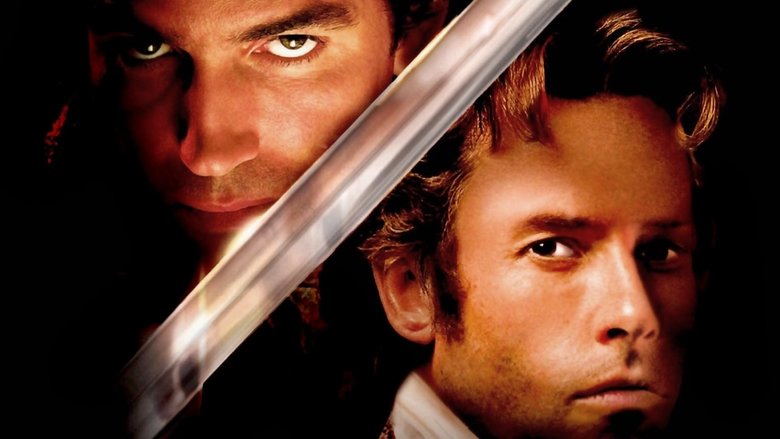
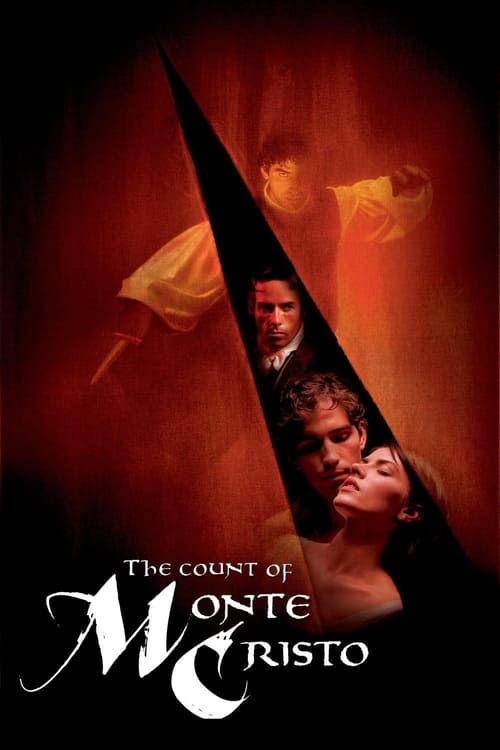
"Prepare for adventure. Count on revenge."
The Count of Monte Cristo - Symbolism & Philosophy
Symbols & Motifs
The Chess Piece (The King)
It symbolizes strategy, patience, and the idea that life is a game of "kings and pawns." It represents Edmond's transition from a pawn in others' games to the master player controlling the board.
Used throughout the film, first as a gift between Edmond and Fernand representing their friendship, and later reclaimed by Edmond to signify his victory and the end of his game of revenge.
Zatarra (Driftwood)
Symbolizes Edmond's state of being cast aside and floating without direction, yet resilient. It marks his phase of limbo between being Edmond Dantès and becoming the Count.
The name given to Edmond by the smuggler Luigi Vampa. Edmond embraces this identity before fully assuming the mantle of the Count.
The String on the Finger
A symbol of enduring love, poverty, and the original pure bond between Edmond and Mercédès, contrasting with the expensive jewelry of her later life.
Mercédès ties a string around her finger when she cannot afford a ring. She keeps this string for years, and it becomes the key proof of identity that allows her to recognize Edmond despite his disguise.
The Spada Treasure
Represents power and the means to rewrite history. It is the tool that converts Edmond's suffering into agency, turning a prisoner into a 'king'.
Discovered in the sea caves of Monte Cristo, the blinding gold contrasts with the dark gloom of the prison, visually marking Edmond's rebirth.
Philosophical Questions
Does revenge ever truly satisfy?
The film explores this by showing that Edmond's satisfaction comes not from the suffering of his enemies, but from the realization that he still has a family. It suggests that revenge is a hollow pursuit that only gains meaning when abandoned for love.
Is destiny fixed or chosen?
Edmond believes he is 'God's sword,' implying a predetermined destiny. However, Faria argues for free will and the use of intellect. The film posits that while tragedy may be fated, how one responds to it—through despair or reinvention—is a choice.
Can a person truly change their nature?
Through the character of Fernand, the film suggests some are incapable of change due to inherent flaws like jealousy. Conversely, Edmond proves that trauma can fundamentally rewrite a person's identity, for better or worse.
Core Meaning
At its heart, the film is a meditation on the corrosive nature of vengeance versus the healing power of mercy. While the director, Kevin Reynolds, delivers a swashbuckling adventure, the deeper message suggests that while revenge may be justified, it ultimately brings no peace. The film pivots on the idea that true justice is not about inflicting pain on others, but about finding the strength to move beyond the past. Abbé Faria's teaching that "God believes in you" serves as the moral compass, countering Edmond's initial nihilism with a message of hope and divine providence.