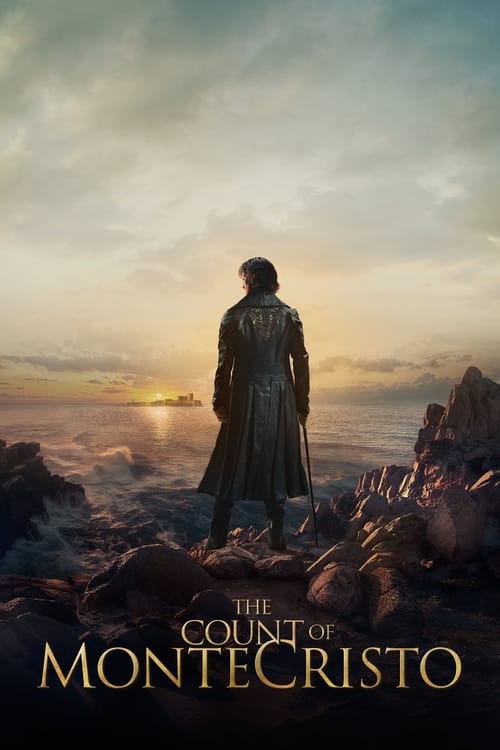
Le Comte de Monte-Cristo
"This is not vengeance, this is justice."
The Count of Monte Cristo - Symbolism & Philosophy
Symbols & Motifs
The Château d'If
The Château d'If symbolizes a tomb and a womb. It is the place where Edmond Dantès's youthful innocence dies, a living tomb where he is stripped of his identity and hope. Simultaneously, it is the womb from which the Count of Monte Cristo is born, a place of profound transformation through suffering and education by Abbé Faria.
The film depicts the prison with grim, claustrophobic cinematography, emphasizing its role in Dantès's psychological and physical torment. His dramatic escape from the fortress, sewn into a burial sack and thrown into the sea, is a powerful visual metaphor for his death and rebirth.
The Island of Monte Cristo and its Treasure
The island and its treasure represent the means to power and the physical manifestation of Dantès's rebirth. The immense wealth allows him to create the persona of the Count and infiltrate the society of his enemies. The treasure is not just material; it's also the knowledge imparted by Faria, which is the true source of his power.
The discovery of the treasure is a pivotal moment, visually depicted as a near-religious experience. From this point on, Dantès uses this wealth as his primary weapon, orchestrating financial ruin and social upheaval for his foes.
The Count's Disguises and Masks
The various disguises and, in this version, a physical mask used by the Count symbolize his fragmented identity and his deliberate separation from his past self, Edmond Dantès. The mask literally hides his face, allowing him to operate with impunity, but it also represents the emotional mask he wears to conceal his pain and humanity. Actor Pierre Niney noted that finding the final face of the Count was key to finding the character.
Throughout the film, Dantès assumes multiple identities to manipulate his enemies. The most prominent is the porcelain-like mask he wears as the Count, which gives him an almost inhuman appearance, reflecting his detachment from the world and his singular focus on revenge.
Philosophical Questions
At what point does justice become revenge?
The film constantly blurs the line between these two concepts. Dantès is undeniably a victim of a profound injustice. His initial goal is to see his betrayers punished, a form of justice the legal system denied him. However, the sheer scale, meticulous cruelty, and personal satisfaction he takes in their destruction push his actions deep into the realm of revenge. The film explores this through the collateral damage of his schemes, forcing the audience to question if his actions are morally justifiable, even if his enemies deserve their fate.
Can a person be reborn from suffering, or are they forever defined by it?
Dantès's transformation in prison is central to this question. Abbé Faria gives him the tools for a new life—education and wealth. Yet, Dantès uses this rebirth not to build a new life of happiness but to fuel a quest for destruction rooted in his past suffering. The film investigates whether his identity as the Count is a true reinvention or simply a mask for the broken prisoner he remains inside. His final moments suggest that only by letting go of his all-consuming quest can he truly begin to live again, implying that one must actively choose to move beyond trauma.
Is it possible to be an agent of Providence without becoming a monster?
Dantès often sees himself as an instrument of divine will, a force sent to punish the wicked. This belief gives him the moral justification for his ruthless actions. The film challenges this self-perception by showing the human cost of his plans, particularly the suffering of those who are peripherally involved. It raises the question of whether any human being can wield such power over the lives of others without being corrupted by it, suggesting that playing God inevitably leads to a loss of one's own humanity.
Core Meaning
The core meaning of "The Count of Monte Cristo" revolves around the profound and often corrosive nature of revenge. The film explores whether ultimate retribution can truly bring peace or if it inevitably consumes the avenger, transforming him into a reflection of the evil he seeks to punish. Directors Alexandre de La Patellière and Matthieu Delaporte delve into the ethical labyrinth of justice, questioning whether one man has the right to act as an agent of Providence. Beyond a simple tale of vengeance, the film is a meditation on loss, the passage of time, and the possibility of redemption. It poses the question of whether, after being consumed by a quest for destruction, a person can rediscover their humanity and find a new reason to live.