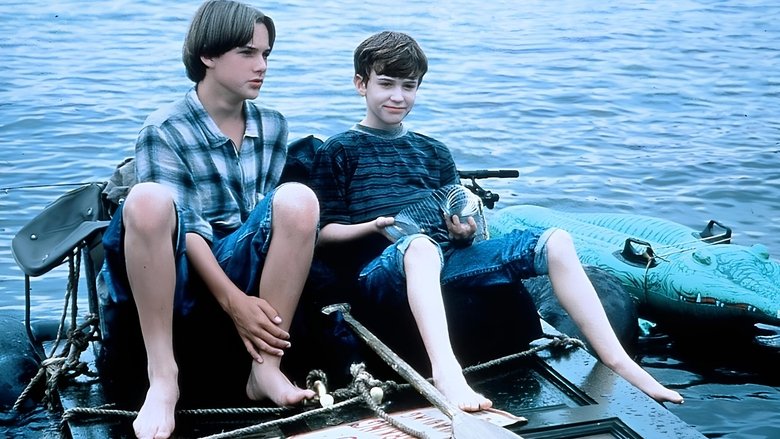
The film's emotional climax is the failure of the boys' journey and Dexter's subsequent death. Their quest is cut short after Dexter, in a moment of desperate bravery, cuts his own hand with a knife to threaten bullies with his infected blood. The act, while saving them, exposes him and worsens his condition, forcing them to return home. Dexter spends his remaining time in the hospital, where he and Erik play pranks on the staff by pretending Dexter has died. In a tragic turn, after two false alarms, a doctor arrives to find that Dexter has passed away for real.
The film's ultimate meaning is crystallized after Dexter's death. When a distraught Erik apologizes to Linda for failing to find the cure, she embraces him and tells him that he was the cure for Dexter's loneliness and sadness—that his friendship was the most important and healing thing in Dexter's life. This redefines the film's title, shifting it from a medical to a spiritual and emotional concept. The final symbolic act occurs at the funeral, where Erik places one of his own sneakers in Dexter's coffin and takes one of Dexter's shoes. He then floats Dexter's shoe down the river from which their journey began, a poignant gesture signifying that while Dexter's life has ended, their bond and shared adventure are eternal.