The Cure
"The best cure for a disease is friendship."
Overview
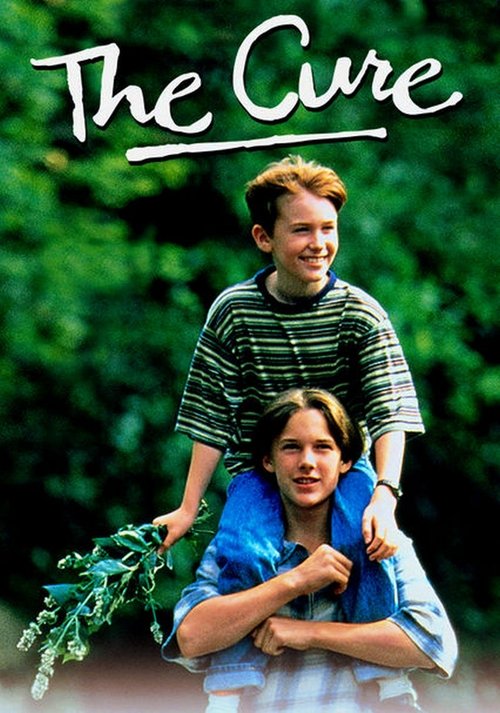
"The Cure" tells the story of Erik (Brad Renfro), a thirteen-year-old loner who has recently moved with his neglectful and abusive mother, Gail (Diana Scarwid), to a new town in Minnesota. He soon forms an unlikely and powerful friendship with his younger neighbor, eleven-year-old Dexter (Joseph Mazzello), who contracted HIV from a blood transfusion. Despite initial wariness and the prejudiced warnings from Erik's mother, the two boys bond deeply, with Erik finding the supportive family he lacks in Dexter and his loving mother, Linda (Annabella Sciorra).
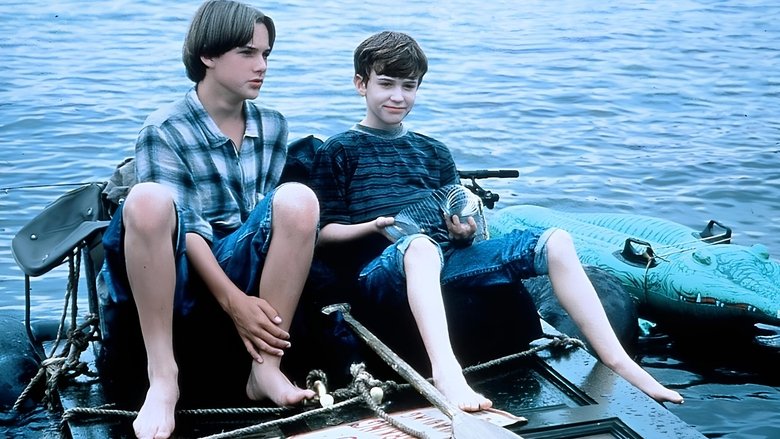
Their bond solidifies as Erik becomes Dexter's fierce protector against local bullies and dedicates himself to finding a "cure" for his friend's illness, experimenting with various backyard leaves and candy concoctions. After reading a tabloid article about a doctor in New Orleans who claims to have found a cure for AIDS, the boys embark on a daring and perilous journey down the Mississippi River, hoping to save Dexter's life. Their Huck Finn-style adventure tests their courage and ultimately deepens their understanding of friendship and mortality.
Core Meaning
At its heart, "The Cure" is a profound exploration of the healing power of friendship in the face of prejudice, fear, and mortality. The film posits that while a medical cure for Dexter's illness may be unattainable, the true "cure" for his suffering—and for Erik's loneliness and neglect—is the unconditional love, acceptance, and loyalty they find in each other. Director Peter Horton aimed to humanize the AIDS crisis, which was still heavily stigmatized in the mid-1990s, by focusing on the innocent and powerful bond between two children. The film's central message is that compassion and connection are the most potent antidotes to isolation and despair, making life meaningful even in its final moments.
Thematic DNA
The Power of Friendship
The core of the film is the transformative friendship between Erik and Dexter. Erik, an aggressive and neglected boy, finds purpose and a sense of family through his bond with Dexter. Dexter, isolated by his illness, finds adventure, protection, and a normal childhood experience through Erik. Their loyalty is absolute; Erik defends Dexter from bullies, and Dexter, in a moment of crisis, uses his illness as a weapon to protect Erik. The film argues that their friendship provides a more significant 'cure' for their respective emotional pains than any medicine could for Dexter's physical ailment, as Linda tells Erik he was the "happiest thing in Dexter's difficult life."
Prejudice and Ignorance
Set during the height of the AIDS crisis, the film directly confronts the fear and bigotry surrounding the disease. Erik's mother, Gail, embodies this prejudice, forbidding Erik from seeing Dexter and wanting him to keep a "safe distance" of seven feet. Local bullies torment the boys, using homophobic slurs, reflecting the widespread and misguided association of AIDS exclusively with homosexuality at the time. The film challenges this ignorance by portraying Dexter's illness as a result of a blood transfusion, highlighting that the disease can affect anyone and clarifying myths about its transmission.
Childhood Innocence vs. Adult Reality
The boys' quest for a cure is driven by a childlike belief in miracles, fueled by tabloid headlines and a desire to control an overwhelming situation. Their attempts to create remedies from weeds and candy are both humorous and touching, showcasing their innocence. This naive hope clashes with the harsh realities of Dexter's terminal illness and the cynical, often dangerous, adult world they encounter on their river journey. The film contrasts the purity of their mission with the failings of the adults around them, particularly Erik's abusive mother.
Mortality and Loss
The film handles the difficult subject of a child's death with sensitivity. Dexter's illness is a constant presence, but the focus remains on his life rather than his decline. The boys' journey is a race against time, lending urgency to their adventure. The film explores how they confront the idea of death through conversations about the afterlife and Dexter's fear of the dark. Ultimately, the narrative shifts from finding a cure for death to finding meaning in life, however short it may be, through profound connection.
Character Analysis
Erik
Brad Renfro
Motivation
Erik is primarily motivated by a deep-seated need for connection and family. He is drawn to the warmth and love in Dexter's home, which stands in stark contrast to his own. His quest to find a cure is driven by a desperate, childlike desire to save the one person who has given his life meaning and shown him unconditional friendship.
Character Arc
Erik begins the film as an angry, isolated, and aggressive teenager, a product of his mother's neglect and abuse. His friendship with Dexter transforms him. He channels his aggression into a fierce protectiveness of his new friend, finding a purpose and a sense of belonging he never had. Through Dexter and his mother, Linda, he experiences genuine familial love for the first time. By the end, he has matured significantly, learning about empathy, loyalty, and how to process grief, evolving from a troubled loner into a devoted and compassionate friend.
Dexter Evans
Joseph Mazzello
Motivation
Dexter is motivated by a simple desire for friendship and normalcy. He longs to have a friend and do the things other kids do. While the quest for a cure is the plot's catalyst, his deeper motivation is to live and experience as much as he can with his best friend, embracing the adventure Erik brings into his life.
Character Arc
Dexter starts as a physically frail and socially isolated boy, defined by his illness. Through his friendship with Erik, he gets to experience a semblance of a normal, adventurous childhood. He moves from passive acceptance of his fate to active participation in a quest for life. While physically weak, he shows immense courage and wit, particularly when he uses his own blood to scare off attackers, a moment that also forces him to confront the harsh reality of his condition. His journey is not about physical healing, but about experiencing joy, friendship, and adventure in the time he has left.
Linda Evans
Annabella Sciorra
Motivation
Linda's sole motivation is her son's happiness and well-being. She encourages the friendship with Erik because she sees how much joy it brings Dexter. She fights to give Dexter as normal and happy a life as possible under tragic circumstances.
Character Arc
Linda is a compassionate and fiercely protective mother from the start. Her arc involves opening her heart and home to Erik, recognizing him as a force of good in her son's life despite his rough exterior. She learns to trust Erik completely with Dexter's well-being and, after Dexter's death, embraces him as a surrogate son. Her powerful confrontation with Erik's mother, Gail, at the end marks her transition from a grieving mother to a protector of Erik as well, demanding he be treated with love and respect.
Gail
Diana Scarwid
Motivation
Gail's motivations appear to stem from bitterness, self-absorption, and prejudice. She is concerned with appearances and her own convenience, and her actions are driven by an irrational fear of Dexter's illness and a general lack of maternal instinct.
Character Arc
Gail is portrayed as a neglectful, emotionally abusive, and bigoted mother throughout the film. Often seen drinking and smoking, she represents the ignorance and fear surrounding AIDS. Her character arc is minimal, but she experiences a forced shift in the final act. After being confronted and physically intimidated by the grieving but resolute Linda, she acquiesces, allowing Erik to attend Dexter's funeral. This suggests a potential crack in her hardened exterior, though whether it leads to lasting change is left ambiguous.
Symbols & Motifs
The Mississippi River
The river symbolizes a journey of escape, freedom, and the passage of life. For Erik and Dexter, it represents a path away from the oppressive prejudice of their town and towards hope, however unrealistic. It is a classic American literary symbol, evoking the adventures of Huckleberry Finn, representing a quest for truth and a break from a flawed society.
The boys embark on their journey to New Orleans by attempting to raft down the Mississippi River. This section of the film marks their departure from childhood innocence into a more dangerous and unpredictable world. The journey ends prematurely, but the final scene sees Erik releasing Dexter's shoe into the river, symbolizing letting go while allowing his friend's spirit to continue the journey.
Erik's Shoe
The shoe is a powerful symbol of their unbreakable bond, comfort, and enduring presence. It represents Erik's promise to always be there for Dexter, a tangible anchor against the fear of loneliness and the unknown of death.
During their trip, when Dexter confesses his fear of waking up in the dark and feeling lost, Erik gives him one of his sneakers. He tells Dexter that if he wakes up scared, holding the smelly shoe will remind him that he is on Earth and that Erik is nearby. In the final scene, Erik places this shoe in Dexter's coffin and sends one of Dexter's shoes down the river, a final act of eternal friendship and shared journey.
The Backyard Fence
The tall wooden fence separating their houses initially symbolizes the physical and social barriers between the boys—Dexter's illness, the community's prejudice, and their different family lives. It is a visual representation of the isolation they both feel.
The first conversations between Erik and Dexter happen over this fence. It's a barrier they must overcome to form their friendship. Once Erik decides to ignore the prejudice and climb over, the fence becomes irrelevant, signifying the power of their connection to transcend artificial and societal boundaries.
Memorable Quotes
Here, hold onto this when you sleep. And if you wake up and you're scared, you'll say, 'Wait a minute. I'm holding Erik's shoe. Why the hell would I be holding some smelly basketball shoe a trillion light years from the universe? I must be here on earth, safe in my sleeping bag, and Erik must be close by.'
— Erik
Context:
Spoken during a quiet moment on their journey down the river, after Dexter expresses his deepest fear about what happens after death, wondering if there's just 'nothing out there'. Erik, in his own gruff but deeply caring way, offers this practical and profound solution to comfort him.
Meaning:
This quote crystallizes the film's central theme of friendship as the ultimate comfort against existential fear. The shoe, an ordinary and even 'smelly' object, is imbued with the power of their bond, becoming a tangible anchor for Dexter against his fear of death and nothingness. It is the most direct expression of Erik's love and commitment to his friend.
My grandmother says you're going to hell... My doctor's really smart - he says he has no idea what happens to people after they die. If your grandmother knows, she must be a genius.
— Erik and Dexter
Context:
This conversation occurs early in their friendship, as they are getting to know each other. Erik is testing the waters, repeating the bigoted things he's heard about people with AIDS from his family. Dexter's calm and intelligent response helps solidify their bond and shows Erik a different way of thinking.
Meaning:
This exchange contrasts the prejudiced, simplistic certitude of ignorant adults with the thoughtful, honest uncertainty of science and childhood innocence. Erik parrots the cruel dogma he's been fed, while Dexter's witty, logical reply gently dismantles it, highlighting the absurdity of such hateful beliefs.
I shoulda tried harder... To find the cure.
— Erik
Context:
After Dexter has died, Linda is driving Erik home. She pulls the car over, overcome with grief. Erik, seeing her pain, apologizes with this line. Linda embraces him, reassuring him that his friendship was the most important thing in Dexter's life, reframing the film's title and central idea.
Meaning:
This heartbreaking line reveals Erik's lingering childlike hope and the immense burden of responsibility he placed upon himself. In this moment, Linda helps him understand the deeper meaning of their friendship—that his love and companionship were the true 'cure' for Dexter's loneliness and fear.
You misspelled your tattoo. It doesn't say 'Angel.' It says 'Angle.'
— Dexter
Context:
While traveling on a boat with two rough characters, Pony and his girlfriend Angle, Dexter points out the spelling error in her tattoo. Her deadpan response, "I'm aware of that now," adds to the humor. The scene was praised by critics like Roger Ebert as a moment of authentic, witty dialogue amidst an otherwise implausible plot.
Meaning:
This quote provides a moment of levity and showcases Dexter's sharp wit and intelligence, even in a tense situation. It's a small, funny detail that reveals his character and briefly punctures the bleakness of their journey.
Philosophical Questions
What is the true meaning of a 'cure'?
The film explores this question by contrasting the boys' literal search for a medical cure with the emotional healing they provide each other. While the physical cure remains elusive, their friendship proves to be a potent remedy for loneliness, fear, and despair. The narrative ultimately suggests that a 'cure' isn't just about extending life, but about enriching it. Erik 'cures' Dexter's isolation, and in doing so, Dexter 'cures' Erik's anger and emotional neglect. This posits that empathy and connection are essential forms of healing.
How should one confront mortality?
"The Cure" examines the confrontation with death through the innocent yet profound perspective of children. Dexter voices his fear of nothingness, a universal existential dread. Erik's response is not a grand philosophical answer but a simple, tangible act of love: giving him his shoe as an anchor to the present and their bond. The film suggests that the most powerful way to face mortality is not with abstract beliefs, but with steadfast companionship and love, focusing on the quality and richness of the life that is being lived.
Can innocence and friendship overcome societal prejudice?
The film presents the boys' friendship as a pure and powerful force that stands in direct opposition to the adult world's bigotry and fear. Erik, initially influenced by his mother's prejudice, quickly sheds it once he gets to know Dexter personally. Their bond becomes a sanctuary, a world of their own where the ignorance of bullies and parents cannot penetrate. While their friendship cannot save Dexter's life, the film champions it as a moral victory over the hatred and misunderstanding that surrounds them, suggesting that true human connection is stronger than learned prejudice.
Alternative Interpretations
While the film's primary interpretation is a straightforward story about the power of friendship, some analysis focuses on the title's ambiguity. The most direct reading is that the "cure" is the medical remedy the boys seek. However, a more resonant interpretation, confirmed by Linda's words to Erik, is that Erik himself is the cure. He is the cure for Dexter's isolation, fear, and loneliness, providing him with adventure and unconditional love in his final days. This reading suggests the film's message is less about conquering disease and more about the healing power of human connection.
A more critical interpretation might view the film's central quest as a critique of the misinformation and desperation prevalent during the AIDS crisis. The boys' reliance on a tabloid newspaper for hope highlights a society where reliable information and effective treatments were not yet widely available, forcing people to cling to false promises. In this light, their naive journey is not just an adventure but a tragic commentary on the societal failures in addressing the epidemic with clarity and compassion.
Cultural Impact
Released in 1995, "The Cure" entered a cultural landscape still grappling with the fear and misinformation of the AIDS epidemic. While films like "Philadelphia" (1993) had begun to address the crisis from an adult perspective, "The Cure" was significant for framing the issue through the eyes of a child who contracted HIV via a blood transfusion. This narrative choice was crucial, as it aimed to destigmatize the disease, separating it from the prejudiced association with homosexuality that was rampant at the time and emphasizing that AIDS could affect anyone.
Critics gave the film mixed reviews, often praising the powerful performances of Brad Renfro and Joseph Mazzello but faulting the plot for its sentimentality and implausibility, particularly the Huck Finn-esque river journey. Roger Ebert called it "a cross between a Disease of the Week movie and 'The Goonies'", though he acknowledged it contained moments of "perfect truth". Despite its commercial failure in the U.S., the film found a lasting audience on home video and television, becoming a cherished, if underrated, 90s drama for many who grew up with it. It is remembered for its heartfelt and accessible handling of difficult themes like illness, prejudice, and childhood friendship, serving as an emotional touchstone and a compassionate, humanizing portrait of the AIDS crisis for a younger audience.
Audience Reception
Audience reception for "The Cure" has been significantly warmer than its initial critical response, with many viewers considering it a touching and beloved, albeit underrated, 1990s film. On platforms like IMDb, it holds a high user rating (7.7/10), with reviewers frequently praising its emotional impact and the powerful, natural chemistry between actors Brad Renfro and Joseph Mazzello. Audiences often highlight the film's heartfelt portrayal of friendship as its greatest strength, citing the story as a poignant and memorable 'tearjerker'. The final scenes, particularly the exchange of the shoes, are consistently mentioned as being incredibly moving. While some viewers acknowledge the implausibility of the river journey plot point, most find that the emotional core of the boys' relationship overshadows this weakness. The film is often remembered nostalgically by those who saw it at a young age and found it to be a formative experience in understanding empathy, loss, and loyalty.
Interesting Facts
- Director Peter Horton was hesitant to work with child actors, doubting they could convey the necessary emotional depth, but was reportedly 'blown away' by the auditions of Joseph Mazzello and Brad Renfro.
- To prepare for the role, Joseph Mazzello, who had never met anyone with AIDS, watched an HBO special about a young Australian boy who died from the disease at the director's suggestion.
- The film was not a box office success in the United States, grossing only $2.57 million on a $10 million budget. However, it performed much better in Japan, earning over $4.5 million in its first three weeks.
- Despite mixed reviews for the film itself, the performances of Brad Renfro and Joseph Mazzello were widely acclaimed, earning them both Young Artist Award nominations.
- Several high-profile directors, including Martin Brest, Sydney Pollack, and Rob Reiner, turned down the opportunity to direct the film before Peter Horton signed on.
- Big-name actresses Michelle Pfeiffer (Peter Horton's ex-wife) and Meg Ryan were approached for roles to boost the film's box office appeal but both declined.
- The film was shot during the summer of 1994 in Stillwater, Minnesota, with locations including the St. Croix River.
- The script generated some controversy during pre-production, with some industry figures accusing it of homophobia for scenes where bullies use gay slurs against Dexter without correction from other characters.
⚠️ Spoiler Analysis
Click to reveal detailed analysis with spoilers
Frequently Asked Questions
Explore More About This Movie
Dive deeper into specific aspects of the movie with our detailed analysis pages
Comments (0)
No comments yet. Be the first to share your thoughts!