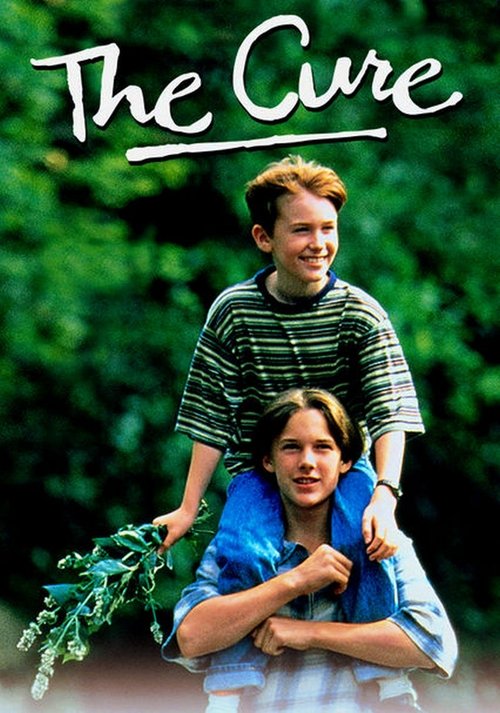
"The best cure for a disease is friendship."
The Cure - Symbolism & Philosophy
Symbols & Motifs
The Mississippi River
The river symbolizes a journey of escape, freedom, and the passage of life. For Erik and Dexter, it represents a path away from the oppressive prejudice of their town and towards hope, however unrealistic. It is a classic American literary symbol, evoking the adventures of Huckleberry Finn, representing a quest for truth and a break from a flawed society.
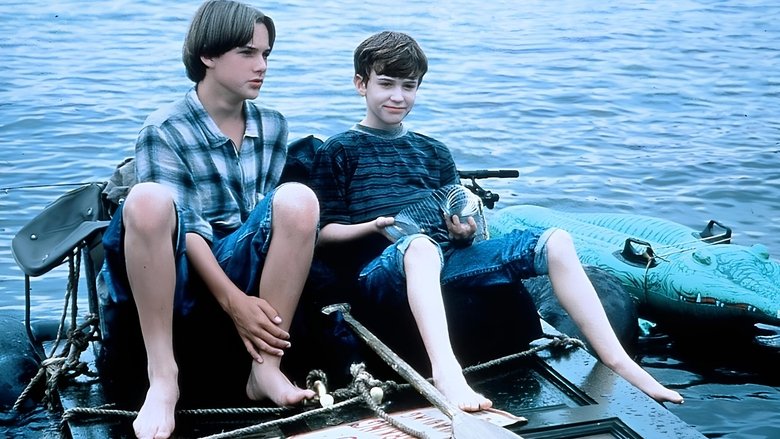
The boys embark on their journey to New Orleans by attempting to raft down the Mississippi River. This section of the film marks their departure from childhood innocence into a more dangerous and unpredictable world. The journey ends prematurely, but the final scene sees Erik releasing Dexter's shoe into the river, symbolizing letting go while allowing his friend's spirit to continue the journey.
Erik's Shoe
The shoe is a powerful symbol of their unbreakable bond, comfort, and enduring presence. It represents Erik's promise to always be there for Dexter, a tangible anchor against the fear of loneliness and the unknown of death.
During their trip, when Dexter confesses his fear of waking up in the dark and feeling lost, Erik gives him one of his sneakers. He tells Dexter that if he wakes up scared, holding the smelly shoe will remind him that he is on Earth and that Erik is nearby. In the final scene, Erik places this shoe in Dexter's coffin and sends one of Dexter's shoes down the river, a final act of eternal friendship and shared journey.
The Backyard Fence
The tall wooden fence separating their houses initially symbolizes the physical and social barriers between the boys—Dexter's illness, the community's prejudice, and their different family lives. It is a visual representation of the isolation they both feel.
The first conversations between Erik and Dexter happen over this fence. It's a barrier they must overcome to form their friendship. Once Erik decides to ignore the prejudice and climb over, the fence becomes irrelevant, signifying the power of their connection to transcend artificial and societal boundaries.
Philosophical Questions
What is the true meaning of a 'cure'?
The film explores this question by contrasting the boys' literal search for a medical cure with the emotional healing they provide each other. While the physical cure remains elusive, their friendship proves to be a potent remedy for loneliness, fear, and despair. The narrative ultimately suggests that a 'cure' isn't just about extending life, but about enriching it. Erik 'cures' Dexter's isolation, and in doing so, Dexter 'cures' Erik's anger and emotional neglect. This posits that empathy and connection are essential forms of healing.
How should one confront mortality?
"The Cure" examines the confrontation with death through the innocent yet profound perspective of children. Dexter voices his fear of nothingness, a universal existential dread. Erik's response is not a grand philosophical answer but a simple, tangible act of love: giving him his shoe as an anchor to the present and their bond. The film suggests that the most powerful way to face mortality is not with abstract beliefs, but with steadfast companionship and love, focusing on the quality and richness of the life that is being lived.
Can innocence and friendship overcome societal prejudice?
The film presents the boys' friendship as a pure and powerful force that stands in direct opposition to the adult world's bigotry and fear. Erik, initially influenced by his mother's prejudice, quickly sheds it once he gets to know Dexter personally. Their bond becomes a sanctuary, a world of their own where the ignorance of bullies and parents cannot penetrate. While their friendship cannot save Dexter's life, the film champions it as a moral victory over the hatred and misunderstanding that surrounds them, suggesting that true human connection is stronger than learned prejudice.
Core Meaning
At its heart, "The Cure" is a profound exploration of the healing power of friendship in the face of prejudice, fear, and mortality. The film posits that while a medical cure for Dexter's illness may be unattainable, the true "cure" for his suffering—and for Erik's loneliness and neglect—is the unconditional love, acceptance, and loyalty they find in each other. Director Peter Horton aimed to humanize the AIDS crisis, which was still heavily stigmatized in the mid-1990s, by focusing on the innocent and powerful bond between two children. The film's central message is that compassion and connection are the most potent antidotes to isolation and despair, making life meaningful even in its final moments.