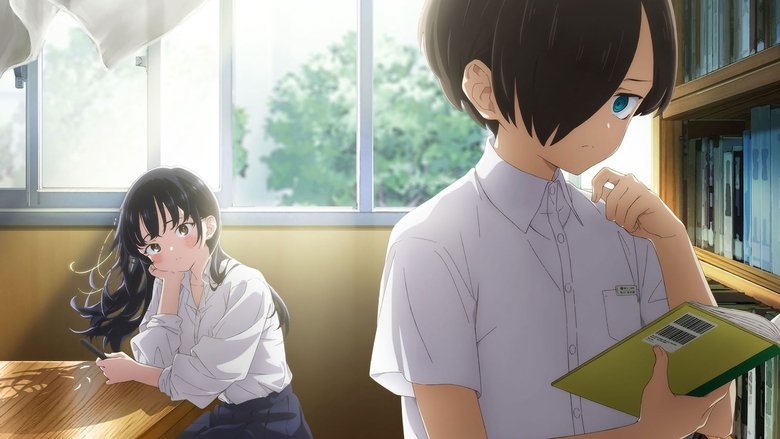
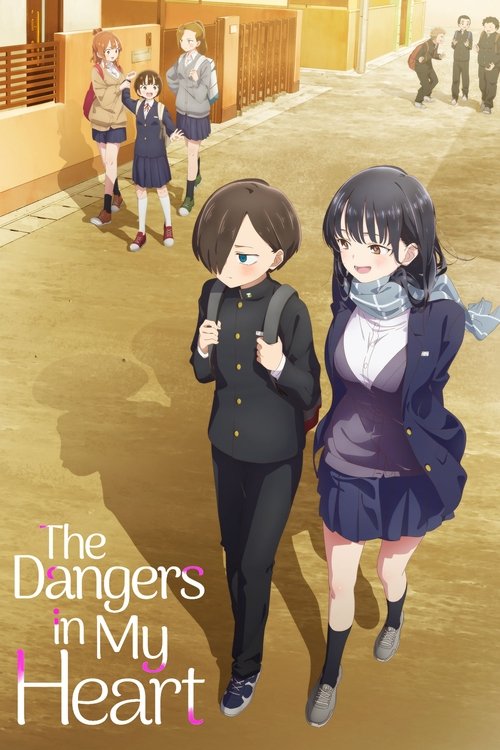
"The Dangers in My Heart" is a story of gradual transformation culminating in a deeply satisfying romantic confession. The central plot twist is not an external event but an internal one: Kyotaro Ichikawa, who starts the series fantasizing about murdering Anna Yamada, is the one who falls for her the hardest. His initial dark desires are a psychological shield for his profound loneliness and low self-esteem. The entire series is a slow unraveling of this defense mechanism.
Throughout Season 1, numerous pivotal moments mark their growing closeness. Ichikawa pushes Yamada out of the way of a basketball, injuring his hand. He gives her his bicycle to escape an aggressive suitor, sacrificing it to a canal. He uses his knowledge to help her navigate social situations, and she, in turn, consistently seeks him out, sharing her private, goofy side only with him. The season ends not with a confession, but with a mutual understanding on New Year's Eve that they want to be in each other's lives, solidifying their unique bond.
Season 2 deepens this bond into an undeniable, yet unspoken, romance. Key events include Ichikawa standing up to an adult producer for Yamada, declaring "Yamada is mine" in a moment of protective instinct. They go on several 'not-dates', including a movie outing and a shrine visit, and their communication evolves from shy gestures to text messages and phone calls. The season's climax occurs over White Day and the end of the school year. After immense internal struggle, Ichikawa finally confesses his love to Yamada in the final episode. Overcome with emotion, she joyfully accepts, and they officially become a couple, walking home holding hands. The hidden meaning that becomes clear is that the "dangers" in Ichikawa's heart were never about violence, but about the terrifying vulnerability of loving someone and the fear of not being worthy of their love. His journey is about conquering that fear.