The core meaning of "The Dangers in My Heart" is a profound exploration of self-acceptance and the transformative power of genuine human connection. The "dangers" are not external threats, but the internal anxieties, insecurities, and self-loathing that Ichikawa projects onto the world. The series posits that the path out of this internal darkness is not through isolation but through vulnerability and allowing another person to see you for who you truly are. It suggests that love is not about finding a perfect person, but about finding someone who sees past the defensive walls you've built and cherishes the real, flawed individual within. Yamada and Ichikawa's relationship demonstrates that empathy and small acts of kindness can heal deep-seated insecurities, allowing individuals to grow beyond their self-perceived limitations and embrace a more hopeful view of themselves and the world.

僕の心のヤバイやつ
Cast: Shun Horie, Hina Youmiya, Ayaka Asai, Megumi Han, Atsumi Tanezaki
The Dangers in My Heart — Symbolism & Philosophy
Symbols & Motifs
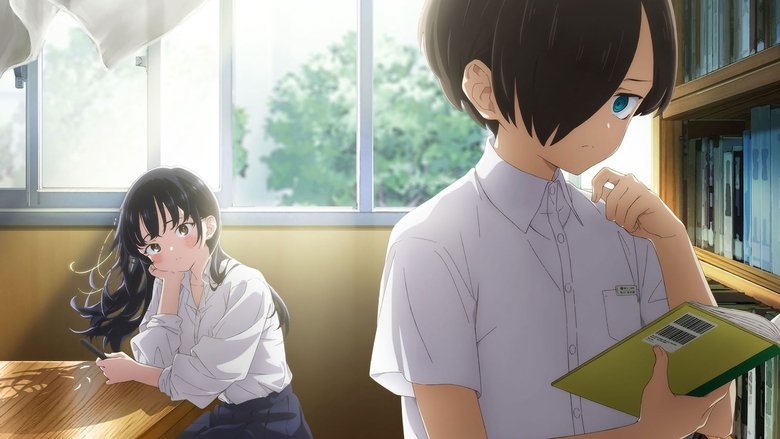
The Library
The library symbolizes a sanctuary or a safe space where both Ichikawa and Yamada can be their true selves, away from the judgment of their classmates. For Ichikawa, it's a refuge from the social pressures he despises. For Yamada, it's a private place where she can indulge in her love of snacks without worrying about her image as a model.
Throughout Season 1, the library is the primary setting for their interactions. It is the neutral ground where their unlikely friendship begins and blossoms. It's where Ichikawa's perception of Yamada begins to change, and where she first starts to notice and appreciate his quiet kindness. Their shared experiences in this space lay the foundation for their entire relationship.
Ichikawa's Box Cutter
Initially, the box cutter represents Ichikawa's 'chūnibyō' persona and his dark, edgy fantasies. It's a physical manifestation of the "dangers" in his heart—a harmless prop for his imaginary role as a troubled killer. As the story progresses, it becomes a symbol of his past self, a weakness he overcomes.
In the early episodes, Ichikawa carries the box cutter and fantasizes about using it. A pivotal moment occurs when he uses it not for violence, but to help Yamada with a loose thread on her skirt. This act marks a turning point, where an object of his dark imagination is used for an act of kindness, symbolizing the beginning of his transformation.
Snacks and Food
Food, particularly the snacks Yamada constantly eats, symbolizes comfort, normalcy, and a shared, simple pleasure. It's a tool that breaks the ice between them and grounds their relationship in everyday reality. Sharing food becomes a form of communication and an expression of care.
Yamada's constant snacking in the library is what first reveals her quirky, non-idol side to Ichikawa. Key moments in their relationship revolve around food: Ichikawa buying Yamada a drink she likes, her sharing her candy with him, and the emotional weight of giving Valentine's Day chocolates. These moments are simple yet powerful illustrations of their growing closeness.
Philosophical Questions
To what extent does our self-perception shape our reality?
The series explores this question through Kyotaro Ichikawa. He believes he is a dark, twisted, and unlovable person, and as a result, he lives an isolated and lonely reality. His internal monologue is a constant stream of self-criticism. However, as Anna Yamada enters his life and treats him with kindness, his reality begins to change. He starts to see himself through her eyes—as a kind, caring, and reliable person. The series argues that while our internal self-perception is powerful, it is not immutable. External validation and genuine connection can challenge and ultimately reshape the stories we tell ourselves about who we are, allowing us to break free from self-imposed prisons.
What is the nature of true intimacy?
"The Dangers in My Heart" posits that true intimacy is not built on grand romantic gestures but on the accumulation of small, vulnerable moments. The relationship between Ichikawa and Yamada develops not through dramatic confessions (until the very end) but through sharing snacks, quiet companionship in the library, helping with a loose thread, and listening to each other. It is in these mundane, everyday interactions that they reveal their true selves and build a foundation of trust and acceptance. The series suggests that intimacy is the quiet process of allowing someone to see your quirks and insecurities and loving them not in spite of them, but because of them.
Core Meaning
Explore More About This Movie
Dive deeper into specific aspects of the movie with our detailed analysis pages