"The legend ends."
The Dark Knight Rises - Ending Explained
⚠️ Spoiler Analysis
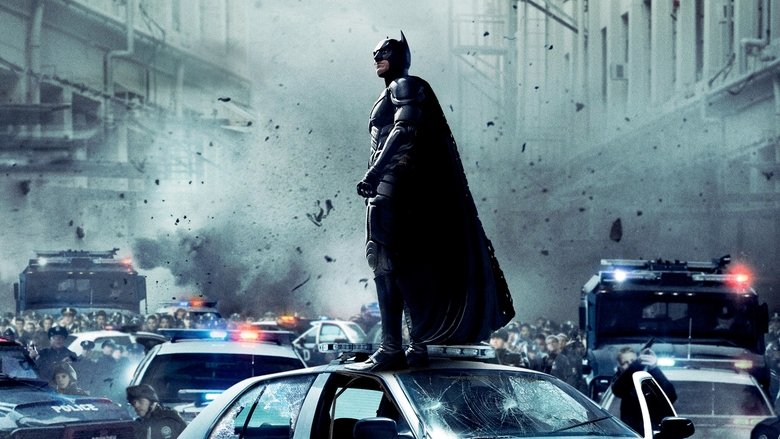
The film's major twist reveals that Bane is not the child of Ra's al Ghul who escaped the Pit; rather, it was Talia al Ghul (disguised as Miranda Tate). Bane was her protector and mentor within the prison. This revelation recontextualizes Bane as a loyal soldier rather than a primary mastermind. The climax involves Batman flying a nuclear bomb out to sea to save Gotham, seemingly dying in the explosion.
However, the epilogue reveals Bruce's survival: he fixed the 'The Bat's' autopilot and is seen by Alfred living a quiet life in Florence with Selina Kyle. Meanwhile, John Blake (whose legal name is revealed as Robin) discovers the Batcave, implying he will take up the mantle. This ending completes the theme of Batman as a persistent symbol that exists beyond Bruce Wayne's physical presence.
Alternative Interpretations
The most discussed alternative interpretation involves the ending at the cafe in Florence. Some fans and critics suggest that Alfred seeing Bruce is merely a dying dream or a hallucination born of Alfred's guilt, noting the 'too perfect' nature of the scene. However, Christian Bale himself has clarified that he believes the scene is real and that Bruce survived.
Another reading views the film as a religious allegory, specifically a Christ-like narrative where Batman 'dies' for the sins of Gotham (the lie about Harvey Dent) and is 'resurrected' from a tomb-like pit to save his people. Additionally, political readings often interpret Bane as a false populist—a warning against radicalism that destroys the very people it claims to empower, suggesting the film is a defense of the status quo and the importance of institutions.