The film is built on a series of escalating twists. The central irony is that Brochant invites Pignon to humiliate him, but Pignon ends up dismantling Brochant's life. Pignon reveals Brochant's mistress (Marlène) to his wife (Christine). He then brings in a tax inspector (Cheval) who uncovers Brochant's tax fraud.
The Ending: In the final act, Pignon discovers the truth about the dinner but forgives Brochant. He calls Christine, posing as a neutral party, and successfully convinces her that Brochant loves her and has ended his affair. It is a moment of pure redemption and competence. However, in the very last seconds, after Christine is convinced and Brochant is relieved, Pignon picks up the phone again when she calls back. Forgetting his cover story, he answers in a way that reveals he is with Brochant and has been coached, or that he was lying about his location. This final blunder destroys the reconciliation instantly. Christine hangs up for good. Brochant is left in despair, and Pignon can only offer his signature apology: "Ah! La boulette!" (Oh! The blunder!). The film ends with Brochant's life in ruins, confirming the inescapable nature of Pignon's "idiocy."

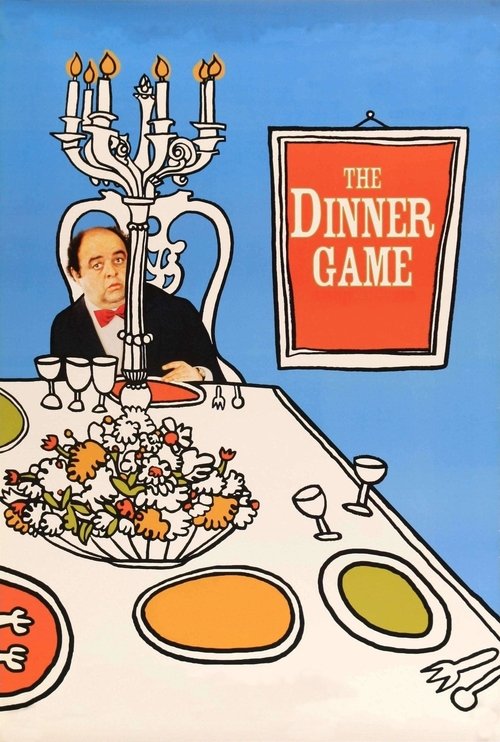
Le Dîner de cons
"A feast for the senseless."
Director: Francis Veber
Cast: Jacques Villeret, Thierry Lhermitte, Francis Huster, Daniel Prévost, Alexandra Vandernoot
The Dinner Game — Ending Explained
⚠️ Spoiler Analysis
Alternative Interpretations
While typically viewed as a straightforward comedy, some critics interpret the film as a tragedy of loneliness. Pignon is desperate for connection, which makes him vulnerable to exploitation. Brochant is surrounded by "friends" who are actually rivals and judges. Another reading suggests it is a subversive class war piece, where the working-class Pignon systematically dismantles the bourgeois accumulation of wealth (tax evasion), status (the dinner), and family (adultery), leaving the aristocrat with nothing.
Explore More About This Movie
Dive deeper into specific aspects of the movie with our detailed analysis pages