The film's third act reveals that the medical approach is futile. During the exorcism, the seasoned Father Merrin dies of a heart attack, physically exhausted by the battle. Karras, finding Merrin dead and the demon triumphant, loses his composure. He attacks Regan, not to hurt the girl, but to provoke the demon. He screams, 'Take me! Come into me!' The demon obliges, leaving Regan's body and possessing Karras. In a moment of supreme lucidity and willpower, the possessed Karras throws himself out the bedroom window before the demon can force him to harm the girl. He falls down the stone steps and dies, sacrificing himself to save Regan. The film ends with the MacNeils leaving Georgetown; Regan is healed but remembers nothing, while Father Dyer looks down the steps, contemplating Karras's sacrifice.
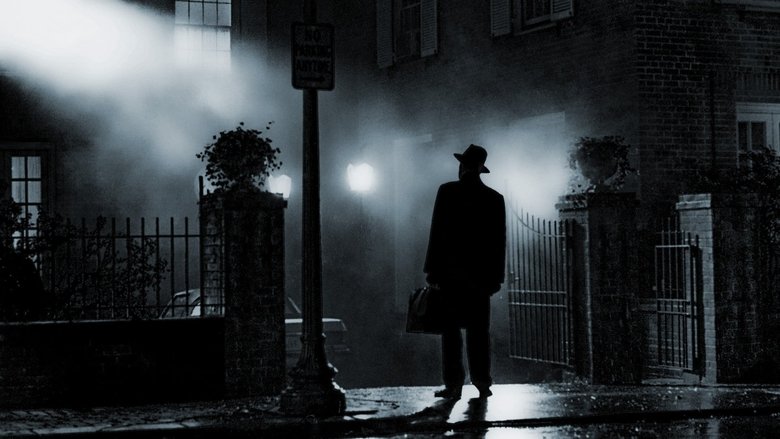
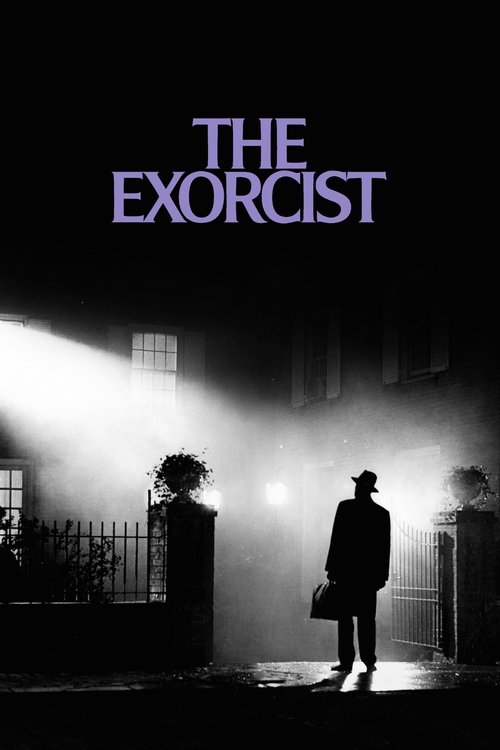
"Something almost beyond comprehension is happening to a girl on this street, in this house…And a man has been sent for as a last resort. This man is The Exorcist."
Director: William Friedkin
Cast: Ellen Burstyn, Linda Blair, Jason Miller, Max von Sydow, Lee J. Cobb
The Exorcist — Ending Explained
⚠️ Spoiler Analysis
Alternative Interpretations
While explicitly supernatural, the film can be read as an allegory for parental anxiety in the face of a child's puberty. Regan's changes—cursing, sexual aggression, changing body, rebellion against the mother—mirror a terrifyingly accelerated adolescence that the parent cannot control. Another interpretation focuses on psychosomatic hysteria: until the furniture starts flying, much of the phenomenon could theoretically be explained by the collective stress and guilt of the characters manifesting in a shared delusion, though the film heavily favors the supernatural explanation by the end.
Explore More About This Movie
Dive deeper into specific aspects of the movie with our detailed analysis pages