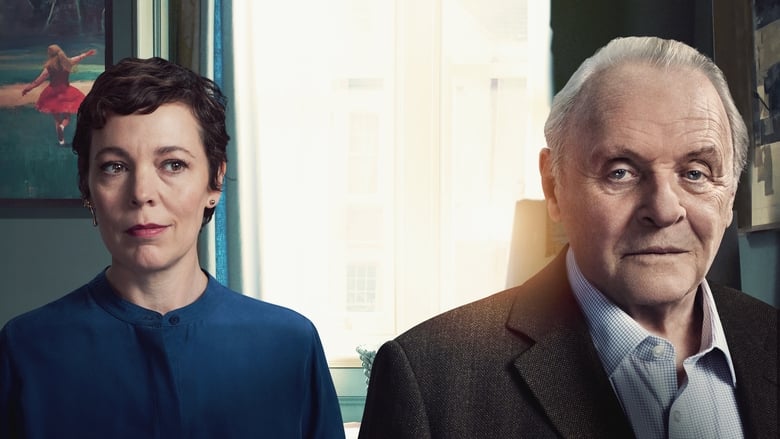
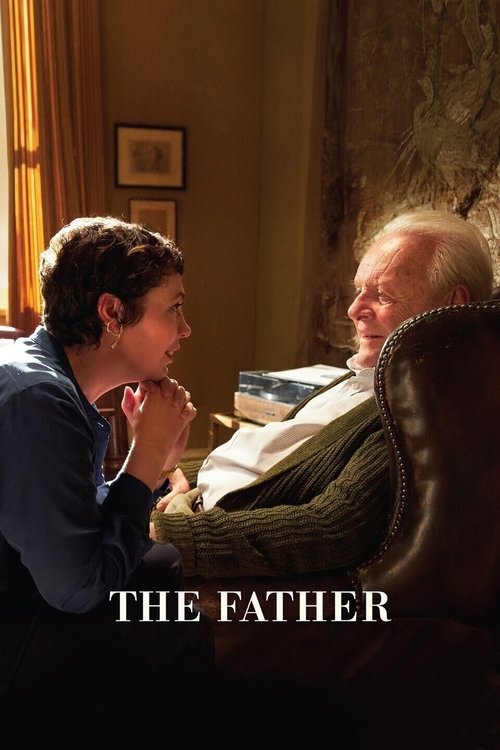
The central twist of "The Father" is the gradual revelation that the entire narrative is being presented from within Anthony's unreliable and deteriorating mind. The film is not a linear sequence of events but a collage of jumbled memories, fears, and present moments that are constantly being reconfigured.
Key plot revelations and their true meanings are:
- The Changing People: The reason Anne is sometimes played by Olivia Colman and other times by Olivia Williams, and why her husband Paul is played by both Mark Gatiss and Rufus Sewell, is because Anthony is conflating people. The woman played by Olivia Williams is actually his nurse, Catherine, and one of the men is a care home worker named Bill. He is superimposing the faces of new people onto the familiar roles of his family members.
- The Changing Apartment: The apartment is not just one location. The narrative seamlessly blends at least three different places: Anthony's original flat, his daughter Anne's flat where he has been living, and finally, his room in the nursing home. The subtle changes in decor, color, and layout signify his confusion between these different realities. The film's final scene confirms he is, and likely has been for some time, in a long-term care facility.
- The Paris Storyline: Anne's plan to move to Paris is real. The scenes where she denies it are Anthony's misremembered conversations or his mind's attempt to create a reality where she isn't leaving him. The film concludes with her having made the move, visiting him only on weekends.
- The Other Daughter, Lucy: Anthony frequently mentions his favorite daughter, Lucy, a painter. Through a brief, painful conversation with Laura, the new carer, it is implied that Lucy had an accident and is dead. Anthony has no memory of this, which explains why he clings to her memory and often expresses his preference for her over Anne, a source of immense pain for his living daughter.
The ending reveals the complete picture: Anthony is alone in a nursing home. Anne has moved to Paris, and the people he interacts with daily are nurses. His entire struggle to maintain his flat and independence has been a battle fought inside his mind against a reality that was established long ago. The film's structure forces the audience to piece this together alongside Anthony, making the final, heartbreaking realization of his true situation a shared, devastating experience.