The major twist reveals that Chiaki Mamiya is a traveler from a desolate future where the painting Sesseki has been destroyed. His device (the walnut) had a limited charge, which Makoto inadvertently exhausted by playing with her own leaps. The ultimate tragedy occurs when Kousuke borrows Makoto's faulty bike; because Makoto used her very last leap to avoid a phone call, she is powerless to stop him from being hit by the train. Chiaki intervenes by using his own final leap, stopping time and revealing his identity, which forces him to vanish from her timeline forever. However, because Chiaki jumped back to a point before Makoto used her final leap, her last charge is 'restored,' allowing her to make one final jump to fix the timeline and give Chiaki back his ability to return home, creating a stable but heartbreaking separation.
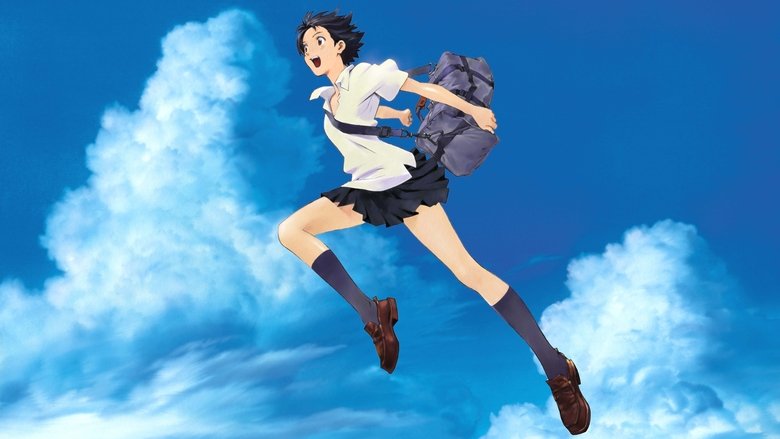

時をかける少女
"There is a future that we can't wait for."
Director: Mamoru Hosoda
Cast: Riisa Naka, Takuya Ishida, Mitsutaka Itakura, Ayami Kakiuchi, Mitsuki Tanimura
The Girl Who Leapt Through Time — Ending Explained
⚠️ Spoiler Analysis
Alternative Interpretations
While textually Kazuko is Makoto's aunt, some fans interpret her as a future version of Makoto who has already lived through a similar cycle, suggesting a recursive loop of destiny where every generation produces a 'time-leaping girl' to protect the painting. Another darker reading suggests that Chiaki is a 'temporal predator' or con-man who manipulates Makoto and Kazuko into becoming restorers for a painting that he essentially 'steals' from the future, though the film's romantic tone generally pushes against this cynical view. Some viewers also interpret the 'future' Chiaki describes as a post-apocalyptic era, suggesting the painting isn't just art, but the last remaining evidence of a peaceful world.
Explore More About This Movie
Dive deeper into specific aspects of the movie with our detailed analysis pages