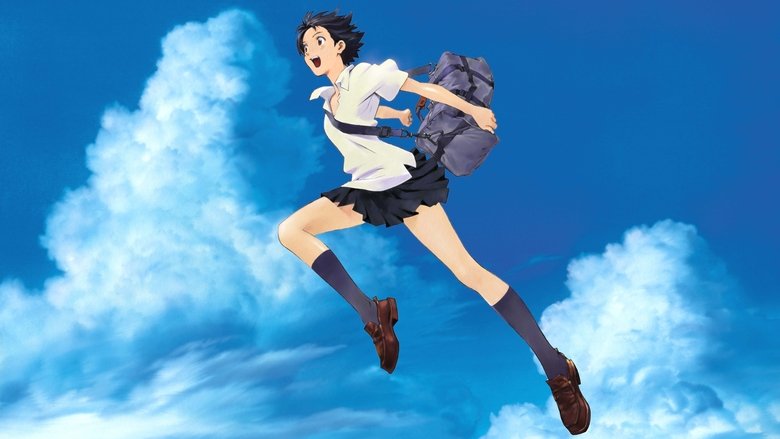
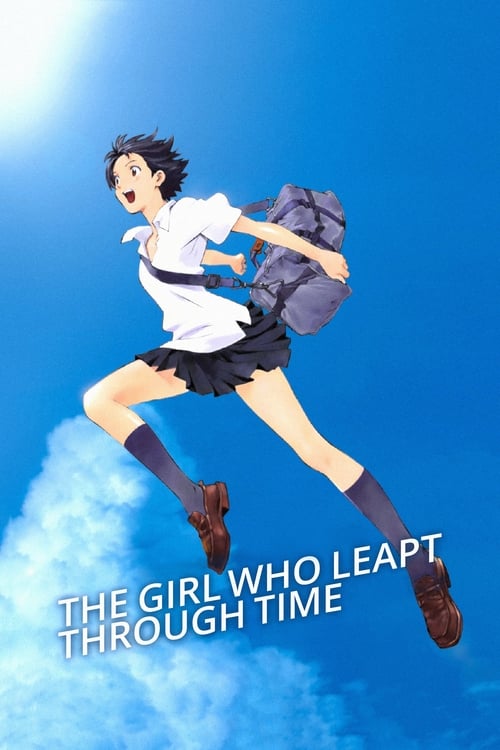
時をかける少女
"There is a future that we can't wait for."
The Girl Who Leapt Through Time - Symbolism & Philosophy
Symbols & Motifs
The Blackboard Message
A literal and metaphorical reminder that 'Time waits for no one.'
Found written in English on the school blackboard early in the film, it serves as an omen that Makoto ignores until the weight of her leaps begins to cause tragedy.
The Walnut-Shaped Device
Represents the tangibility and limitation of time.
The device Makoto finds in the science lab which grants her the power; its physical, mundane appearance contrasts with its reality-altering capability.
The Bicycle with Broken Brakes
Symbolizes unstoppable momentum and the inability to control the 'crash' of life's events.
The failure of the brakes leads to the central near-death experience at the train crossing, which is a recurring catalyst for the film's climactic moments.
The Painting
Represents cultural continuity and hope across time.
A mysterious artwork titled Sesseki (restored by Makoto's aunt) that Chiaki traveled from a desolate future specifically to see, signifying that beauty and art can survive even when society collapses.
The Number Tattoo
Visualizes the finite nature of opportunity.
The countdown appearing on Makoto's arm, which she initially dismisses as a random mark, until she realizes each jump has a permanent cost.
Philosophical Questions
Is a moment's value defined by its permanence?
The film suggests that by redoing moments to avoid 'bad' outcomes, Makoto robs the moments of their authentic weight. Only when the leaps are gone do the moments become 'real' again.
Does knowing the future rob us of free will?
Makoto tries to use her knowledge to manipulate outcomes, but she finds that fate (the train accident) has a way of asserting itself, questioning whether true change is possible through mechanics alone.
Core Meaning
At its heart, the film is a meditation on the responsibility of choice and the preciousness of the present moment. Director Mamoru Hosoda uses time travel not as a tool for grand adventure, but as a metaphor for the teenage desire to avoid the discomfort of growing up and facing difficult emotions. The central message is that 'Time waits for no one' (the film's recurring motif); while we might wish to redo our mistakes, true maturity comes from acknowledging the weight of our actions and having the courage to face an uncertain future without the safety net of a reset button.