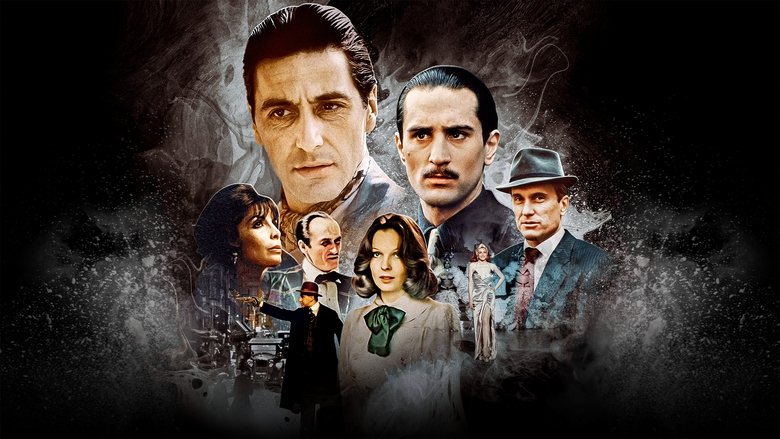
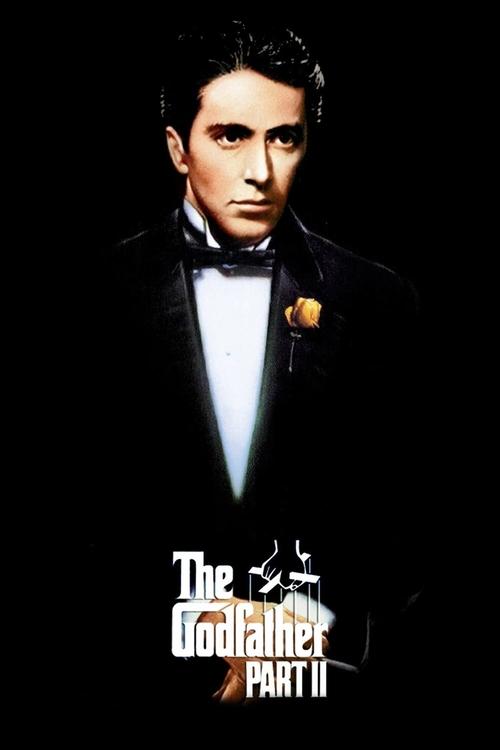
The Godfather Part II
A somber, epic crime drama that charts the corrosive deep-seated rot of power and the tragic unraveling of a family, painted in haunting shadows and golden-hued memories.
The Godfather Part II

"The rise and fall of the Corleone empire."

20 December 1974 United States of America 202 min ⭐ 8.6 (13,226)
Director: Francis Ford Coppola
Cast: Al Pacino, Robert Duvall, Diane Keaton, Robert De Niro, John Cazale
Drama Crime
The Corruption of Power The Immigrant Experience and the American Dream Family and Betrayal The Inescapable Cycle of Violence
Budget: $13,000,000
Box Office: $102,600,000

The Godfather Part II - Ending Explained

⚠️ Spoiler Analysis

The central tragedy of "The Godfather Part II" hinges on the devastating betrayal of Michael by his own brother, Fredo. Driven by resentment and a feeling of being disrespected, Fredo provides information to Hyman Roth's associate, Johnny Ola, which facilitates an assassination attempt on Michael at his Lake Tahoe home. Michael uncovers the betrayal in Cuba, when Fredo, drunk, lets slip that he knew Johnny Ola before. Michael confronts him with the chilling line, "I know it was you, Fredo," sealing his brother's fate.

After their mother's death, Michael appears to forgive Fredo, embracing him at the funeral. This, however, is a ruse. In the film's most heartbreaking sequence, Michael watches from his house as his enforcer, Al Neri, takes Fredo out fishing on the lake. As Fredo recites a "Hail Mary" to catch a fish, Neri shoots him in the back of the head. This act is Michael's point of no return, the ultimate sacrifice of family for power, and it leaves him completely isolated.

Simultaneously, the film reveals Kay did not have a miscarriage but an abortion, as she could not bear to bring another of Michael's sons into his world of crime and violence. This revelation shatters their marriage and solidifies Michael's isolation. The film's final moments intercut Michael's consolidation of power—having Roth and the Rosato brothers killed, and forcing Frank Pentangeli to commit suicide—with a flashback to a happy family gathering for Vito's birthday years earlier. The juxtaposition is crushing. As the family rushes to greet Vito, a young, idealistic Michael sits alone at the table, having just announced he joined the Marines. The film ends with a close-up on the present-day Michael, alone in his compound, his face a mask of hollow victory and profound solitude, forever haunted by the choices he made.

Alternative Interpretations

One of the most debated aspects of the film is the ending. The dominant interpretation is that the final shot of Michael, alone and lost in thought, represents his tragic victory—he has secured his power but lost his soul and his family, a stark contrast to his father's legacy. However, an alternative reading suggests that Michael's isolation was not a tragic consequence but an inherent part of his character from the beginning. The final flashback, showing him choosing to enlist in the Marines against his family's wishes and being left alone at the table, can be interpreted as evidence of a pre-existing narcissistic and sociopathic tendency to always choose his own path, regardless of the cost to his family. This view posits that the power of being the Don did not corrupt Michael, but rather enabled the full expression of his true, isolated nature.

Another point of interpretation revolves around Fredo's betrayal. While the film presents him as naive and manipulated, claiming he "didn't know it was a hit," some viewers debate the extent of his naivete versus his deliberate malice. Was he a truly ignorant pawn, or did he, on some level, understand the potential consequences of his actions, driven by a deeper and more sinister resentment than he lets on?