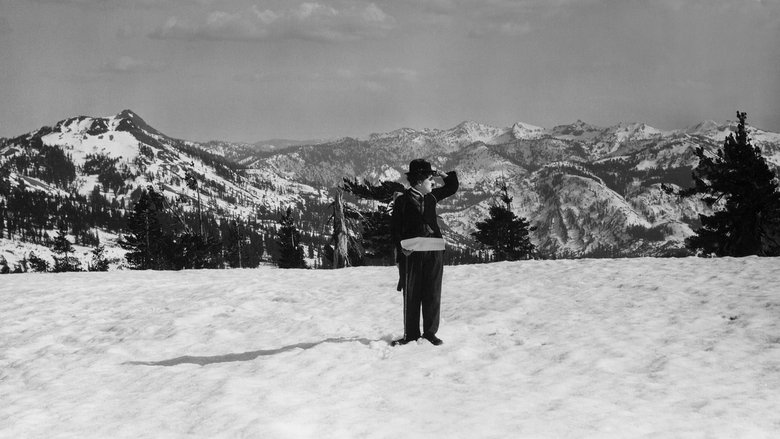
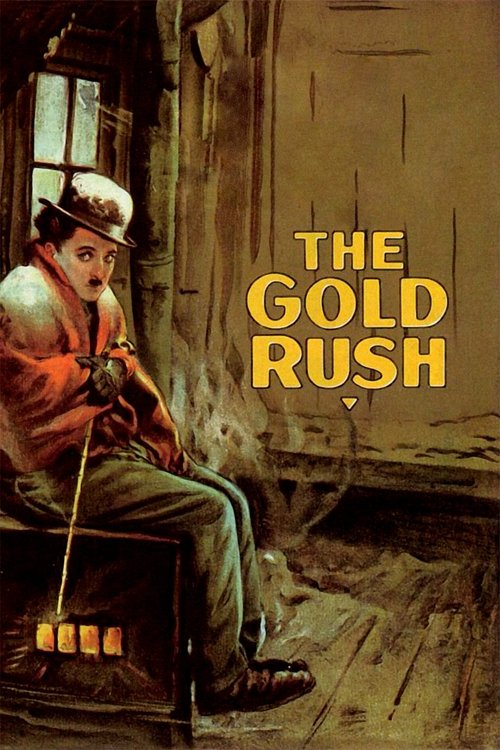
The plot of "The Gold Rush" is driven by two intertwining quests: the Lone Prospector's search for love and Big Jim McKay's search for his lost gold mine. After being trapped in a cabin during a blizzard, the Prospector and Big Jim part ways. In town, the Prospector falls for Georgia, who largely ignores him. Meanwhile, Big Jim, who was ambushed by the villainous Black Larsen and developed amnesia, wanders the wilderness unable to find his claim. Larsen himself is killed in an avalanche shortly after.
A key turning point occurs when the Prospector, heartbroken after Georgia stands him up for a New Year's Eve dinner he lovingly prepared, decides to leave town. At that moment, Big Jim, having partially regained his memory, finds the Prospector. He remembers that his 'mountain of gold' is near the cabin they shared and promises to split the fortune if the Prospector leads him back to it. The Prospector agrees, but only has time to tell a regretful Georgia that he will return a millionaire.
They find the cabin, and a second blizzard blows it to the very edge of a cliff. The climax is a masterful sequence where the cabin teeters with every movement, until the two manage to scramble to safety just as it plunges into the chasm. As they climb out, they discover the cabin has fallen right next to Big Jim's massive gold deposit. The twist is that their near-death experience leads them directly to their fortune.
The final scene takes place a year later. The Prospector and Big Jim are now multimillionaires traveling on a luxury steamship. When reporters ask him to don his old prospecting clothes for a photo, he obliges and accidentally tumbles down a staircase, landing in the arms of Georgia, who is traveling in steerage. Believing he is a poor stowaway, she offers to hide him. The reporters rush in, revealing his newfound wealth. In the film's heartwarming conclusion, the Prospector clarifies that Georgia is his fiancée, and they embrace for a kiss, achieving a perfect happy ending where he has won both fortune and love.