The Gold Rush
"The World's Greatest Laughing Picture!"
Overview
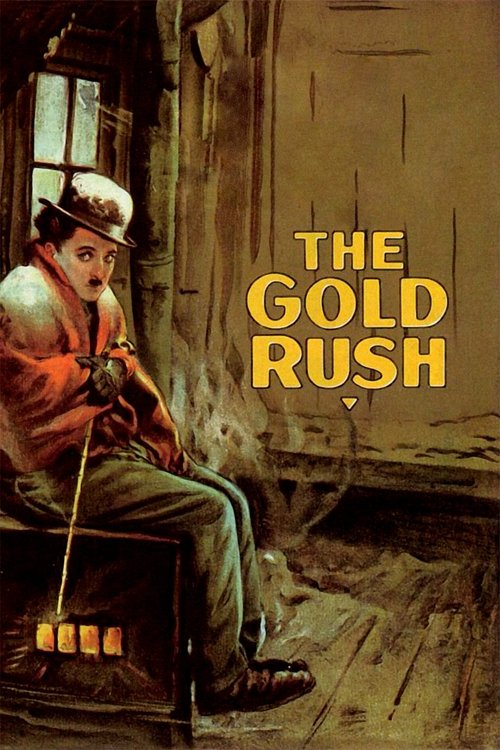
"The Gold Rush" (1925) follows the iconic Little Tramp, here known as The Lone Prospector (Charlie Chaplin), as he journeys to the Klondike in search of gold. Caught in a brutal blizzard, he takes refuge in a remote cabin with the formidable Big Jim McKay (Mack Swain), who has just struck a massive gold deposit, and the dangerous outlaw Black Larsen (Tom Murray). The trio faces starvation, leading to the legendary scene where the Prospector cooks and eats his own shoe.
After the storm, the men part ways. The Prospector wanders into a boomtown and becomes infatuated with a dance hall girl named Georgia (Georgia Hale), who is amused by him but doesn't take his affections seriously. Meanwhile, Big Jim, after a tussle with Larsen, develops amnesia and forgets the location of his "mountain of gold." The Prospector's attempts to win Georgia's heart lead to a mix of heartwarming and heartbreaking moments, including a meticulously prepared New Year's Eve dinner to which she fails to appear.
The story culminates when Big Jim, his memory partially restored, finds the Lone Prospector, believing he can lead him back to the cabin and, consequently, to the fortune. Their journey back into the wilderness leads to a final, perilous adventure where their cabin teeters precariously on the edge of a cliff, blending high-stakes drama with brilliant slapstick.

Core Meaning
At its heart, "The Gold Rush" is a profound exploration of the human condition, blending comedy and tragedy to comment on the universal quest for basic needs: food, shelter, wealth, and love. Director Charlie Chaplin uses the harsh setting of the Klondike Gold Rush as a metaphor for the materialistic and often brutal nature of society in the 1920s. The film posits that true wealth is not found in gold, but in human connection, resilience, and love. The Tramp's journey illustrates that even in the face of extreme hardship—starvation, loneliness, and the cruelty of others—the human spirit can endure through hope, ingenuity, and kindness. Chaplin himself stated this was the picture he wanted to be remembered by, as it perfectly balances its comedy sequences with a strong, character-driven narrative about survival and the pursuit of a better life.
Thematic DNA
Survival and Resilience
The most visceral theme is the raw struggle for survival against the merciless forces of nature and human desperation. This is vividly portrayed through scenes of extreme hunger, where the Prospector and Big Jim are forced to eat a boot. The film masterfully finds comedy in these tragic circumstances, suggesting that laughter is a form of defiance against helplessness. The Prospector's unwavering optimism and resourcefulness, even when facing starvation or being mistaken for a giant chicken, highlight the resilience of the human spirit.
The Pursuit of Wealth vs. Love
The film contrasts the frantic, often dehumanizing search for gold with the Tramp's gentle, earnest quest for love. While characters like Big Jim and Black Larsen are driven by material greed, the Lone Prospector's primary motivation shifts from finding gold to winning the affection of Georgia. His meticulously planned New Year's Eve dinner, a gesture of pure romantic hope, stands in stark contrast to the violent claim-jumping and backstabbing of the other prospectors. The ending, where he achieves both wealth and love, suggests an idealistic triumph where the two are not mutually exclusive, though love remains the more fulfilling prize.
Loneliness and the Need for Connection
The vast, desolate landscape of the Klondike mirrors the deep sense of isolation felt by the characters, particularly the Lone Prospector. He is an outcast, often the butt of jokes in the bustling town. His yearning for Georgia is not just romantic; it's a desire for acceptance and companionship. The heartbreaking scene where he waits alone on New Year's Eve, dreaming of entertaining his guests with the "Oceana Roll" dance, powerfully captures the pain of loneliness and the universal need for human connection.
Illusion vs. Reality
Chaplin frequently plays with the line between reality and illusion. Big Jim's starvation-induced hallucination of the Tramp as a giant chicken is a prime example of delirious fantasy intruding on grim reality. Similarly, the Tramp's dream sequence of the "dance of the rolls" is an escape into a charming, idealized world when his reality is one of bitter disappointment. Some critics even interpret the film's happy ending as a potential fantasy—the delirious dream of a starving prospector rather than a literal conclusion.
Character Analysis
The Lone Prospector
Charlie Chaplin
Motivation
Initially, his motivation is to find gold and make his fortune. However, this is quickly superseded by his deep infatuation with Georgia. His primary drive becomes the pursuit of her love and acceptance, for which he is willing to endure any hardship.
Character Arc
The Lone Prospector begins as a valiant but weak and isolated figure, ill-suited for the brutal environment of the Klondike. Initially driven by the same desire for gold as everyone else, his focus shifts entirely to winning the love of Georgia. He endures ridicule, heartbreak, and near-death experiences with unwavering resilience and optimism. His arc is a classic 'rags-to-riches' story, but more importantly, it's about him finding his place in the world, proving that his gentle spirit and kindness are his greatest strengths. He ultimately achieves both immense wealth and the affection of the woman he loves, completing his transformation from a lonely outcast to a successful and fulfilled gentleman.
Big Jim McKay
Mack Swain
Motivation
His motivation is singular and all-consuming: gold. He discovers a massive claim and his entire purpose is to secure and profit from it. Even after suffering amnesia, his subconscious drive is to rediscover his fortune.
Character Arc
Big Jim starts as a successful prospector who finds a 'mountain of gold'. His journey is one of loss and recovery. After being attacked by Larsen, he loses his memory and, with it, his fortune. His initial brutishness, amplified by starvation when he hallucinates the Prospector as a chicken, gives way to a dependence on the smaller man. His arc is about regaining what was lost—not just his memory and gold, but also a sense of partnership. He learns to trust and rely on the Prospector, ultimately sharing his immense wealth, showing a degree of growth from his initial solitary greed.
Georgia
Georgia Hale
Motivation
Her primary motivation seems to be navigating the rough social landscape of the gold rush town and finding a better life. She seeks excitement and attention, initially from the handsome but arrogant Jack Cameron, but ultimately desires genuine kindness and a way out of her current circumstances.
Character Arc
Georgia is initially presented as a pragmatic and somewhat cynical dance hall girl, popular but seemingly indifferent to genuine affection. She initially treats the Prospector as an amusing distraction to make another suitor, Jack, jealous. Her arc involves realizing the depth and sincerity of the Prospector's feelings. When she discovers the lonely New Year's dinner he prepared for her, she feels genuine remorse. By the end of the film, she has left the harsh life of the Klondike and is returning home. Her final reunion with the now-wealthy Prospector shows her seeing past his old ragged clothes to the kind man she came to appreciate, suggesting she has learned to value sincerity over superficial charm.
Black Larsen
Tom Murray
Motivation
His motivations are pure greed and self-preservation. He is willing to rob, betray, and murder to get what he wants, whether it's food or gold.
Character Arc
Black Larsen is a static character who represents the darkest side of human nature in the gold rush: greed, cruelty, and betrayal. He is a wanted criminal from the start. He shows no redeeming qualities, attempting to kill his cabin-mates and later ambushing Big Jim to steal his claim. His arc is short and ends with his deserved demise, as he is swept to his death by an avalanche while fleeing with stolen gold. He serves as a narrative device to create conflict and highlight the moral bankruptcy that the pursuit of wealth can cause.
Symbols & Motifs
The Boiled Boot
The boot symbolizes the extreme lengths to which humans will go to survive. It represents the transformation of the inedible into a source of life, highlighting both the desperation and the absurd comedy inherent in the struggle against starvation. Chaplin treats it with the delicacy of a gourmet meal, a metaphor for maintaining dignity and hope in the most dire circumstances.
When the Lone Prospector and Big Jim are trapped in the cabin and starving, the Prospector cooks one of his boots. He serves it meticulously, twirling the laces like spaghetti and carving the sole like a steak, turning a moment of grim necessity into an iconic comedic set piece.
The Teetering Cabin
The cabin precariously balanced on the edge of a cliff symbolizes the fragile and uncertain nature of the prospectors' existence. It represents life on the edge, where fortune and disaster are separated by a hair's breadth. The struggle to stay inside without tipping it over is a metaphor for the delicate balance required to survive in a hostile environment where one wrong move can lead to ruin.
Towards the film's end, the Prospector and Big Jim awaken to find a blizzard has blown their cabin to the edge of a precipice. The cabin rocks with their every move, creating a masterful sequence of suspense and slapstick comedy as they try to escape before it plunges into the abyss.
The Oceana Roll (Dance of the Rolls)
The dance, performed with two forks and bread rolls, symbolizes imagination, optimism, and the Tramp's capacity for creating beauty and joy out of the mundane. It represents his inner world and his deep desire to charm and entertain Georgia, showcasing his gentle spirit and resourcefulness in the face of loneliness and heartbreak.
While waiting alone for Georgia on New Year's Eve, the Lone Prospector falls asleep and dreams of entertaining her and her friends. In this famous dream sequence, he sticks two dinner rolls onto forks and performs an imaginative and delightful dance on the tabletop for his guests.
Gold
Gold represents the promise of a better life and the allure of the American Dream, which drives thousands to endure extreme hardship. However, it also symbolizes greed, corruption, and the loss of humanity, as seen in the actions of Black Larsen. Ultimately, the film suggests that gold is a hollow prize without human connection.
The entire film is set against the backdrop of the Klondike Gold Rush. The plot is driven by Big Jim's discovery of a "mountain of gold," Black Larsen's attempt to steal it, and the Lone Prospector's initial quest to find his own fortune.
Philosophical Questions
What is the true nature of wealth?
The film constantly questions what constitutes true fortune. Is it the literal 'mountain of gold' that Big Jim obsesses over, a pursuit that leads to violence, amnesia, and madness? Or is it found in the Prospector's simple, heartfelt attempts at human connection, like the New Year's dinner he prepares? The film uses the backdrop of the Gold Rush, a historical event defined by the lust for material wealth, to argue that resilience, love, and kindness are far more valuable treasures. The ending allows the Prospector to have both money and love, but it's the latter that provides the emotional climax of the story.
Where is the line between comedy and tragedy?
Chaplin was inspired by the horrific story of the Donner Party, who resorted to cannibalism to survive. He famously takes this tragedy and transforms it into comedy, as seen when a starving Big Jim hallucinates the Tramp as a giant chicken. The act of eating a shoe is both hilarious and deeply pathetic. The film consistently asks the audience to laugh at situations of extreme desperation, suggesting that humor is a vital coping mechanism and an act of defiance against a cruel world. Chaplin himself believed that tragedy stimulates ridicule, and the film is a masterclass in proving that the two are never far apart.
Can innocence and optimism survive in a brutal world?
The Lone Prospector, embodying Chaplin's Tramp persona, is a figure of unfailing gallantry and innocence in a world of greedy Goliaths. He is constantly cheated, ridiculed, and underestimated. Yet, his optimism and kindness never waver. The film explores whether these 'weak' qualities can lead to success in a harsh, materialistic society. Ultimately, "The Gold Rush" offers a hopeful, if perhaps idealistic, answer: yes. The Prospector's gentle nature is what ultimately endears him to Georgia and allows him to survive, suggesting that moral fortitude can triumph over brute force and cynicism.
Alternative Interpretations
While the film is widely seen as a triumphant 'rags-to-riches' tale, a notable alternative interpretation suggests that the happy ending is not literal. Some critics and scholars propose that the final sequence—where the now-millionaire Prospector reunites with Georgia on a ship—is actually a death dream or a starvation-induced fantasy. According to this reading, the real Prospector may have succumbed to the harsh Klondike conditions, and the perfect resolution is the final, delirious vision of a man who has lost everything. This interpretation adds a layer of tragic poignancy to the film, aligning it more closely with the bleak fates of many real-life prospectors and Chaplin's own experiences with poverty, suggesting that such perfect escapes are only possible in dreams.
Another perspective focuses on the deconstruction of the American pioneer myth. Rather than celebrating rugged individualism, the film highlights the desperation, isolation, and trauma of the experience. The Prospector succeeds not through strength or skill, but through sheer luck and his partnership with Big Jim. This reading sees the film less as an endorsement of the American Dream and more as a commentary on the absurdity and brutality of survival, where success is random and community is more valuable than individual effort.
Cultural Impact
"The Gold Rush" was a monumental success upon its release in 1925, solidifying Charlie Chaplin's status as a global icon and a master filmmaker. It was one of the highest-grossing silent films in history and received widespread critical acclaim, praised for its revolutionary blend of slapstick comedy, heartfelt drama, and epic scale. The film's creation came after the public's disappointment with Chaplin's drama "A Woman of Paris," marking a triumphant return to the Tramp character his audience adored.
Its influence on cinema is immeasurable. The iconic scenes, such as the "dance of the rolls" and the eating of the shoe, have been parodied and paid homage to countless times in film and television, becoming part of the global cultural lexicon. The film's ability to derive profound comedy from tragic situations (like starvation) was groundbreaking and influenced generations of filmmakers. The teetering cabin sequence remains a masterclass in building comedic suspense. The film also demonstrated the power of a character-driven narrative within a comedy, elevating the genre beyond simple gags.
Critically, it is consistently ranked among the greatest films ever made. In 1992, it was selected for preservation in the United States National Film Registry by the Library of Congress as being "culturally, historically, or aesthetically significant." Its impact on pop culture endures; the image of the Tramp delicately eating his boot is instantly recognizable worldwide, a testament to Chaplin's genius and the film's timeless appeal.
Audience Reception
Upon its 1925 release, "The Gold Rush" was a massive critical and commercial success, celebrated by audiences worldwide. It became one of the highest-grossing silent films of all time, and audiences were captivated by its perfect blend of slapstick comedy, adventure, and genuine pathos. The iconic comedic sequences, particularly the 'dance of the rolls,' the shoe-eating scene, and the teetering cabin, were universally praised and have remained beloved by viewers for generations. Chaplin's performance as the Lone Prospector was seen as the height of his creative powers, embodying the Tramp's signature mix of humor and heartbreak.
Even today, audiences praise the film's timeless humor and emotional depth. Many viewers are surprised by how well the physical comedy holds up, eliciting genuine laughter nearly a century later. While some modern critics point to a potentially weak or underdeveloped romance between the Prospector and Georgia, the overall sentiment remains overwhelmingly positive. The 1942 re-release, with Chaplin's added narration and musical score, also found success and made the film accessible to a new generation, though purists often prefer the original silent version. Overall, audiences have consistently regarded "The Gold Rush" as one of Chaplin's masterpieces and a cornerstone of classic cinema.
Interesting Facts
- The famous boot-eating scene required 63 takes over three days. The boot was made of licorice, and both Charlie Chaplin and Mack Swain reportedly suffered from the laxative effects of consuming so much of it.
- The film was inspired by Chaplin viewing stereoscopic pictures of the 1898 Klondike Gold Rush and reading a book about the tragic Donner Party, who resorted to eating their shoes and cannibalism to survive.
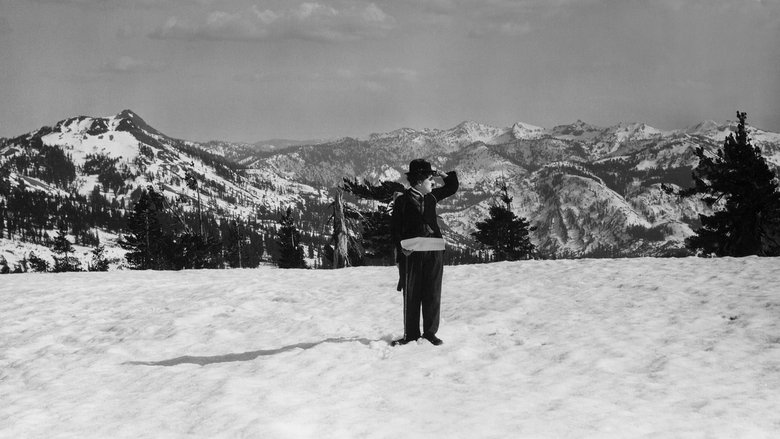
- The opening scene, depicting a long line of prospectors climbing the Chilkoot Pass, was filmed on location near Truckee, California, and used 600 real-life vagrants hired as extras for a single day's shoot.
- Georgia Hale replaced Lita Grey, Chaplin's original leading lady and soon-to-be wife, after Grey became pregnant during production.
- The film cost over $923,000 to make, making it the most expensive comedy of the silent era. It went on to gross over $4 million worldwide.
- Chaplin stated that "The Gold Rush" was the film he most wanted to be remembered for.
- A real bear was used in the scene where it wanders into the cabin. This was unusual for the time, as animal roles were often played by men in costumes.
- In 1942, Chaplin re-released the film with a musical score he composed himself and a narration he recorded, replacing the original intertitles. This version earned two Academy Award nominations.
- The Nazi party in Germany banned the film, believing Chaplin to be Jewish, long before he made "The Great Dictator".
⚠️ Spoiler Analysis
Click to reveal detailed analysis with spoilers
Frequently Asked Questions
Explore More About This Movie
Dive deeper into specific aspects of the movie with our detailed analysis pages
Comments (0)
No comments yet. Be the first to share your thoughts!