"The World's Greatest Laughing Picture!"
The Gold Rush - Symbolism & Philosophy
Symbols & Motifs
The Boiled Boot
The boot symbolizes the extreme lengths to which humans will go to survive. It represents the transformation of the inedible into a source of life, highlighting both the desperation and the absurd comedy inherent in the struggle against starvation. Chaplin treats it with the delicacy of a gourmet meal, a metaphor for maintaining dignity and hope in the most dire circumstances.
When the Lone Prospector and Big Jim are trapped in the cabin and starving, the Prospector cooks one of his boots. He serves it meticulously, twirling the laces like spaghetti and carving the sole like a steak, turning a moment of grim necessity into an iconic comedic set piece.
The Teetering Cabin
The cabin precariously balanced on the edge of a cliff symbolizes the fragile and uncertain nature of the prospectors' existence. It represents life on the edge, where fortune and disaster are separated by a hair's breadth. The struggle to stay inside without tipping it over is a metaphor for the delicate balance required to survive in a hostile environment where one wrong move can lead to ruin.
Towards the film's end, the Prospector and Big Jim awaken to find a blizzard has blown their cabin to the edge of a precipice. The cabin rocks with their every move, creating a masterful sequence of suspense and slapstick comedy as they try to escape before it plunges into the abyss.
The Oceana Roll (Dance of the Rolls)
The dance, performed with two forks and bread rolls, symbolizes imagination, optimism, and the Tramp's capacity for creating beauty and joy out of the mundane. It represents his inner world and his deep desire to charm and entertain Georgia, showcasing his gentle spirit and resourcefulness in the face of loneliness and heartbreak.
While waiting alone for Georgia on New Year's Eve, the Lone Prospector falls asleep and dreams of entertaining her and her friends. In this famous dream sequence, he sticks two dinner rolls onto forks and performs an imaginative and delightful dance on the tabletop for his guests.
Gold
Gold represents the promise of a better life and the allure of the American Dream, which drives thousands to endure extreme hardship. However, it also symbolizes greed, corruption, and the loss of humanity, as seen in the actions of Black Larsen. Ultimately, the film suggests that gold is a hollow prize without human connection.
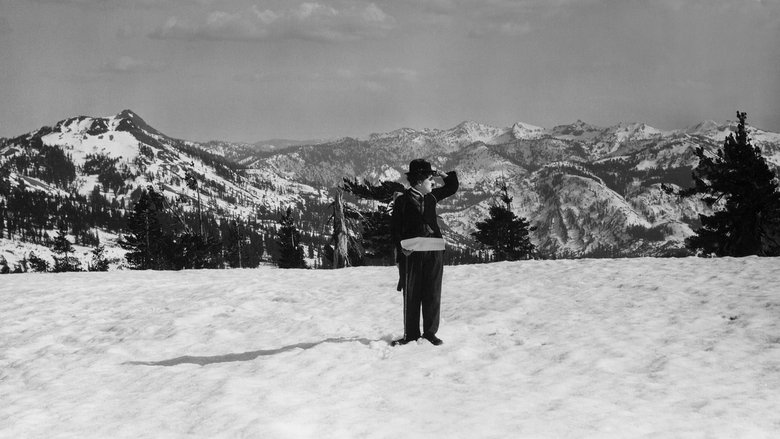
The entire film is set against the backdrop of the Klondike Gold Rush. The plot is driven by Big Jim's discovery of a "mountain of gold," Black Larsen's attempt to steal it, and the Lone Prospector's initial quest to find his own fortune.
Philosophical Questions
What is the true nature of wealth?
The film constantly questions what constitutes true fortune. Is it the literal 'mountain of gold' that Big Jim obsesses over, a pursuit that leads to violence, amnesia, and madness? Or is it found in the Prospector's simple, heartfelt attempts at human connection, like the New Year's dinner he prepares? The film uses the backdrop of the Gold Rush, a historical event defined by the lust for material wealth, to argue that resilience, love, and kindness are far more valuable treasures. The ending allows the Prospector to have both money and love, but it's the latter that provides the emotional climax of the story.
Where is the line between comedy and tragedy?
Chaplin was inspired by the horrific story of the Donner Party, who resorted to cannibalism to survive. He famously takes this tragedy and transforms it into comedy, as seen when a starving Big Jim hallucinates the Tramp as a giant chicken. The act of eating a shoe is both hilarious and deeply pathetic. The film consistently asks the audience to laugh at situations of extreme desperation, suggesting that humor is a vital coping mechanism and an act of defiance against a cruel world. Chaplin himself believed that tragedy stimulates ridicule, and the film is a masterclass in proving that the two are never far apart.
Can innocence and optimism survive in a brutal world?
The Lone Prospector, embodying Chaplin's Tramp persona, is a figure of unfailing gallantry and innocence in a world of greedy Goliaths. He is constantly cheated, ridiculed, and underestimated. Yet, his optimism and kindness never waver. The film explores whether these 'weak' qualities can lead to success in a harsh, materialistic society. Ultimately, "The Gold Rush" offers a hopeful, if perhaps idealistic, answer: yes. The Prospector's gentle nature is what ultimately endears him to Georgia and allows him to survive, suggesting that moral fortitude can triumph over brute force and cynicism.
Core Meaning
At its heart, "The Gold Rush" is a profound exploration of the human condition, blending comedy and tragedy to comment on the universal quest for basic needs: food, shelter, wealth, and love. Director Charlie Chaplin uses the harsh setting of the Klondike Gold Rush as a metaphor for the materialistic and often brutal nature of society in the 1920s. The film posits that true wealth is not found in gold, but in human connection, resilience, and love. The Tramp's journey illustrates that even in the face of extreme hardship—starvation, loneliness, and the cruelty of others—the human spirit can endure through hope, ingenuity, and kindness. Chaplin himself stated this was the picture he wanted to be remembered by, as it perfectly balances its comedy sequences with a strong, character-driven narrative about survival and the pursuit of a better life.