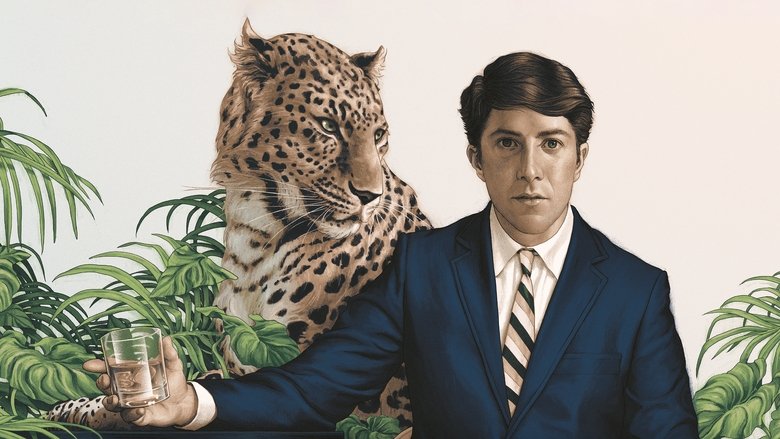
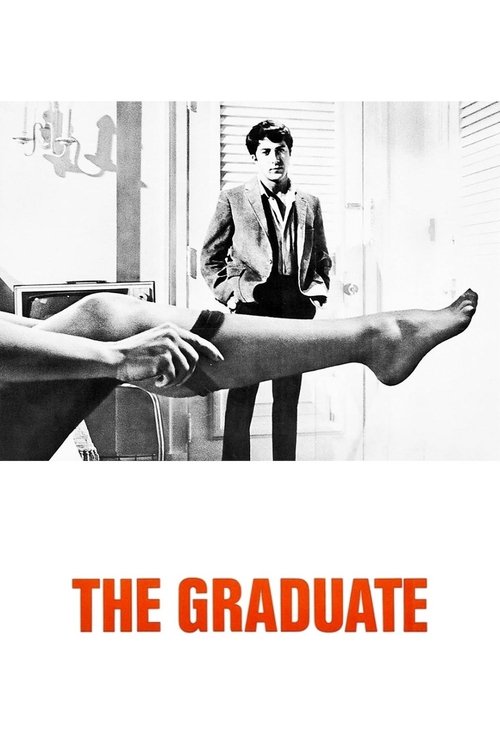
"This is Benjamin. He’s a little worried about his future."
The Graduate - Symbolism & Philosophy
Symbols & Motifs
Water and the Pool
Water symbolizes Benjamin's feeling of drowning in the expectations of others, as well as his desire to isolate himself from the superficial adult world.
He is frequently shown submerged in the family pool, drifting aimlessly on a raft, or framed against a fish tank, visually trapped in an artificial environment.
The Scuba Suit
The suit represents the suffocating weight of his parents' expectations and his absolute isolation. It is a physical barrier between him and the outside world.
Forced by his parents to demonstrate the suit to their friends, Benjamin plunges into the pool and sinks to the bottom, surrounded only by the heavy sound of his own breathing.
Animal Prints
The animal prints symbolize a predatory, instinctual nature, highlighting a character who operates as a hunter in a domestic environment.
Mrs. Robinson consistently wears leopard and zebra print clothing, and her home features exotic jungle-like foliage, visually communicating her role as a predator ensnaring Benjamin.
Plastics
The word represents the fake, manufactured, and soulless future that the older generation values and wants to force upon the younger generation.
During his homecoming party, Mr. McGuire pulls Benjamin aside to give him one word of career advice: "Plastics," encapsulating the entire philosophy of the suburban elite.
Philosophical Questions
What does it mean to live an authentic life?
The film contrasts the "plastic," predetermined life of the older generation with Benjamin's desperate, fumbling search for something real. It asks whether true authenticity can be found in a society built on superficiality.
Is rebellion without a purpose ultimately futile?
Benjamin rejects his parents' world, but he has no alternative vision for his future. The ambiguous ending questions whether merely escaping a flawed system is enough to guarantee happiness or meaning.
Core Meaning
At its core, The Graduate is a sharp critique of middle-class conformity, materialism, and the generational divide of the 1960s. Director Mike Nichols presents a world where the older generation has traded authenticity for comfort, embodied by the famous advice to invest in "plastics"—a metaphor for the artificiality of their lives. Benjamin's journey is not just about sexual awakening, but a desperate search for meaning in an environment devoid of genuine connection. The film suggests that youthful rebellion, while necessary to break free from societal expectations, is often chaotic and uncertain, leaving the ultimate question of "what comes next?" terrifyingly unanswered.