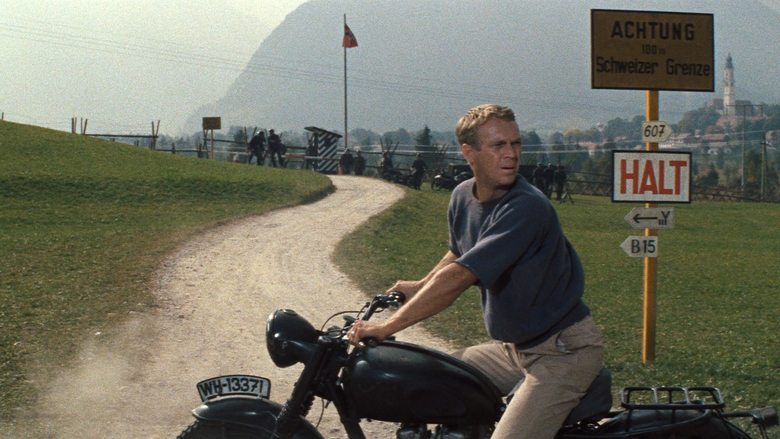
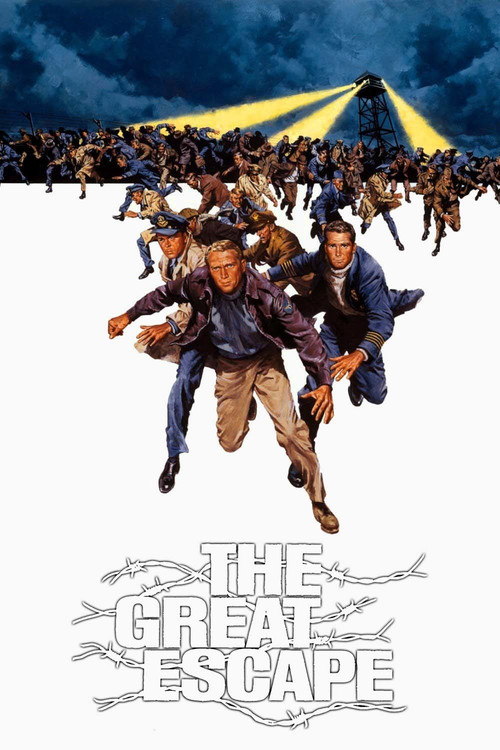
"Put a fence in front of these men... and they'll climb it!"
The Great Escape - Symbolism & Philosophy
Symbols & Motifs
The Tunnels (Tom, Dick, and Harry)
The tunnels are the most powerful symbol of hope, perseverance, and the prisoners' unyielding desire for freedom. They represent a tangible link to the outside world and the possibility of escape from oppression.
The meticulous planning, digging, and concealment of the three tunnels form the central plot of the film. Each tunnel's name gives it a distinct personality, and their progress marks the progression of the prisoners' hopes. The discovery of "Tom" is a major setback, while the completion of "Harry" marks the climax of their efforts.
Hilts' Baseball and Glove
Hilts' baseball and glove symbolize his American identity, his individuality, and his persistent, almost casual defiance. His repeated act of throwing the ball against the cooler wall is a solitary act of rebellion, showing that even in isolation, his spirit cannot be broken.
Throughout the film, especially during his numerous stints in solitary confinement ('the cooler'), Hilts is seen with his baseball and glove. It's a constant companion that underscores his restless energy and his refusal to be mentally imprisoned.
The Cooler
The solitary confinement cell, known as "the cooler," symbolizes the enemy's attempt to break the prisoners' spirits. However, for characters like Hilts, who becomes known as "The Cooler King," it paradoxically becomes a symbol of honor and unbreakable defiance.
Characters, most notably Hilts, are repeatedly sent to the cooler for their escape attempts and insubordination. Instead of deterring them, it reinforces their status as heroes among the other prisoners and strengthens their resolve.
Philosophical Questions
What is the nature of duty in captivity?
The film explores the idea that for a soldier, the war does not end upon capture. Through Group Captain Ramsey's opening declaration, it posits that it is an officer's sworn duty to not only attempt escape but to actively be a nuisance to the enemy. This raises questions about whether a prisoner's primary duty is to survive or to continue the fight through other means, even at great personal risk. The entire escape is framed not as a bid for personal freedom, but as a strategic military operation designed to disrupt the enemy.
Does the success of a defiance lie in the outcome or the act itself?
The escape is ultimately a tactical failure: of the 76 who escape, 73 are recaptured and 50 of them are executed. Only three make it to freedom. This tragic outcome forces the audience to question the meaning of their efforts. The film suggests that the true victory was not in the number who reached safety, but in the audacious act of defiance itself. By proving that even the most secure facility was vulnerable and by forcing the German High Command to divert vast resources, the prisoners achieved their primary objective. The final shot of Hilts returning to the cooler, undaunted, reinforces the idea that the spirit of resistance is a victory in itself.
Core Meaning
"The Great Escape" is a testament to the indomitable nature of the human spirit and the relentless pursuit of freedom. The director, John Sturges, portrays the prisoners' unwavering determination not just as a desire for personal liberty, but as a continued act of war and defiance against their captors. The film emphasizes that their duty as officers is to escape and, in doing so, divert significant enemy resources to their recapture, thereby aiding the larger war effort. It celebrates ingenuity, camaraderie, and the extraordinary resilience of individuals who, even in the face of overwhelming odds and brutal consequences, refuse to surrender their hope or their dignity.