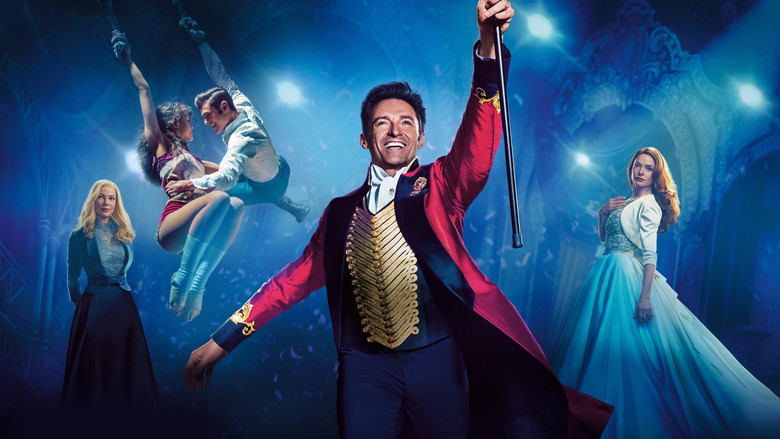
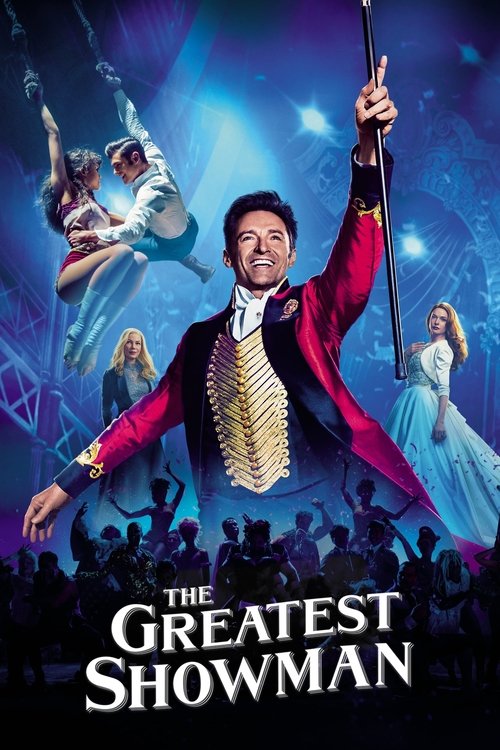
"The impossible comes true."
The Greatest Showman - Symbolism & Philosophy
Symbols & Motifs
The Circus Tent
The circus tent symbolizes a sanctuary and a home for the performers who have been rejected by society. It represents a space of acceptance, community, and empowerment where they can be themselves without judgment.
Initially, Barnum's show is in a museum, but after it burns down, he rebuilds it as a traveling tent circus. This transition signifies a new beginning and the consolidation of his troupe as a true family, finding their home under the big top.
The Spotlight
The spotlight is a recurring motif representing fame, recognition, and the courage to be seen. For the performers, stepping into the spotlight is a metaphor for embracing their identities and claiming their place in the world. For Barnum, it represents his craving for public adoration and validation.
This is most prominent during the performance of "This Is Me," where the performers step out of the shadows and into the spotlight, both literally and figuratively. It's also used in the romantic duet "Rewrite the Stars," where the lighting shifts to highlight the emotional distance and desires of the characters.
The Wishing Machine
The wishing machine, a spinning lamp that Barnum gives his daughter, symbolizes dreams, imagination, and the magical possibilities that fuel Barnum's ambitions. It represents the power of wishing for a better life and the creativity that can make those wishes a reality.
Barnum brings the wishing machine home for his daughter's birthday after losing his job. As his family makes wishes, it sparks the idea for his museum of curiosities, setting the entire story in motion.
Philosophical Questions
What is the true meaning of success and happiness?
The film explores this question through P.T. Barnum's journey. He initially defines success as wealth and societal acceptance, but as he achieves these, he finds himself unfulfilled and risks losing his family. The film posits that true happiness and success are not found in external validation but in the love of family, the joy of creation, and the community we build. It challenges the idea that ambition and worldly success are the ultimate goals, suggesting a more fulfilling path lies in human connection and making others happy.
Is it morally acceptable to profit from the 'otherness' of individuals?
"The Greatest Showman" presents a romanticized view of Barnum's "freak show," framing it as a celebration of diversity. However, it raises the underlying ethical question of whether it is right to turn people's physical differences into a spectacle for profit. The film suggests that Barnum gave his performers a home and a sense of pride, but it avoids the more complex and problematic aspects of this dynamic, leaving the audience to ponder the fine line between empowerment and exploitation.
Does the end justify the means when it comes to entertainment?
P.T. Barnum is often accused of being a purveyor of "humbug" and deception. The film portrays his conflict with a critic who dismisses his show as lacking artistry. Barnum's defense is that his show makes people happy. This raises the question of whether the joy and wonder experienced by the audience can justify a lack of authenticity or artistic merit. The film seems to side with Barnum, suggesting that the power of entertainment lies in its ability to transport and delight, regardless of its critical reception.
Core Meaning
"The Greatest Showman" is a cinematic celebration of individuality, acceptance, and the power of dreams. The central message of the film is that one's worth is not determined by societal approval but by the love and acceptance of a few good people. It champions the idea of creating a family from a community of outcasts, finding strength and belonging in shared uniqueness. The director, Michael Gracey, aims to convey that true happiness comes not from fame or fortune, but from embracing who you are and cherishing the relationships with those who see and love you for it. The film also explores the dangers of unchecked ambition and the realization that the "noblest art is that of making others happy."