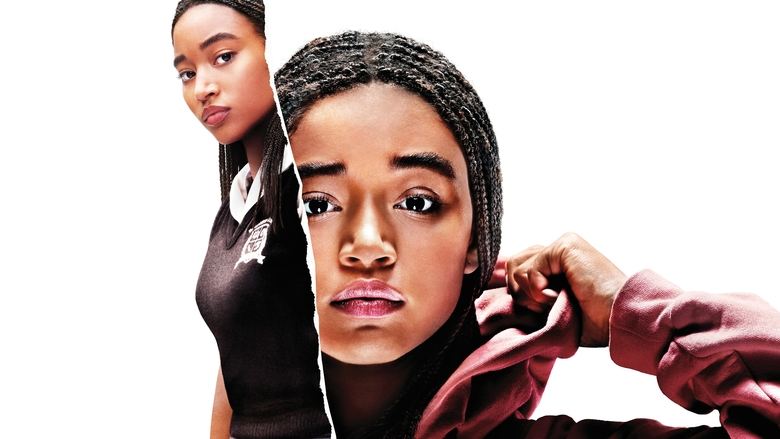
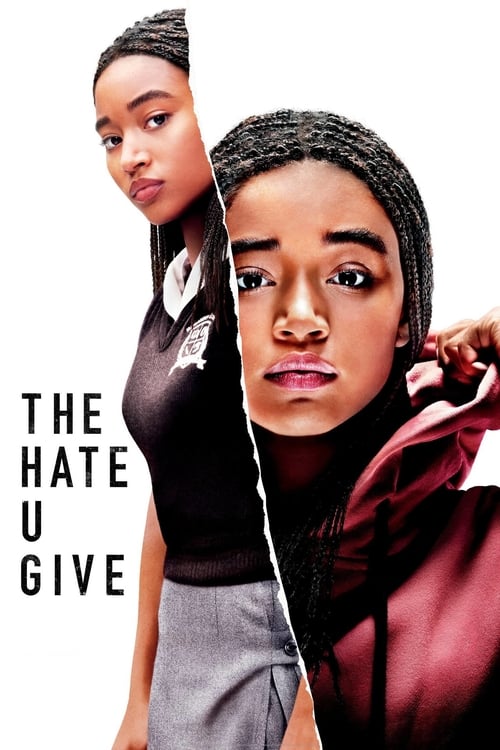
The central plot of "The Hate U Give" is set in motion by the police shooting of Khalil. As the story unfolds, it is revealed that Khalil was not a gang member, but had started selling drugs to pay off a debt his mother owed to King, the leader of the King Lords gang. Starr's decision to testify before a grand jury is a major turning point, moving her from a silent witness to an active participant in the fight for justice. However, the film's most significant twist is the grand jury's decision not to indict Officer Brian MacIntosh Jr. (One-Fifteen).
This outcome, while deeply unjust, is a reflection of reality and subverts the expectation of a clean, cinematic victory. The subsequent peaceful protest escalates into a riot when police throw tear gas into the crowd. The climax occurs not in a courtroom, but in Maverick's grocery store, which King and his gang firebomb, trapping Starr and her brother Seven inside. They are saved by Maverick and other community members. The final confrontation happens on the street, where Starr's youngest brother, Sekani, points a gun at King just as police arrive. Starr stands between her brother and the police, hands up, de-escalating a situation that mirrors the one that killed Khalil. This act of bravery inspires other community members to testify against King, leading to his arrest. The ending reveals that true justice comes not from the flawed legal system, but from community solidarity and Starr's commitment to continue fighting, promising to never be quiet.