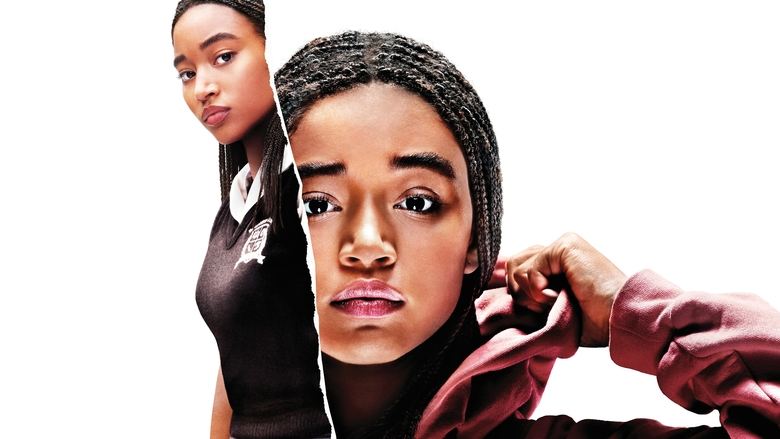
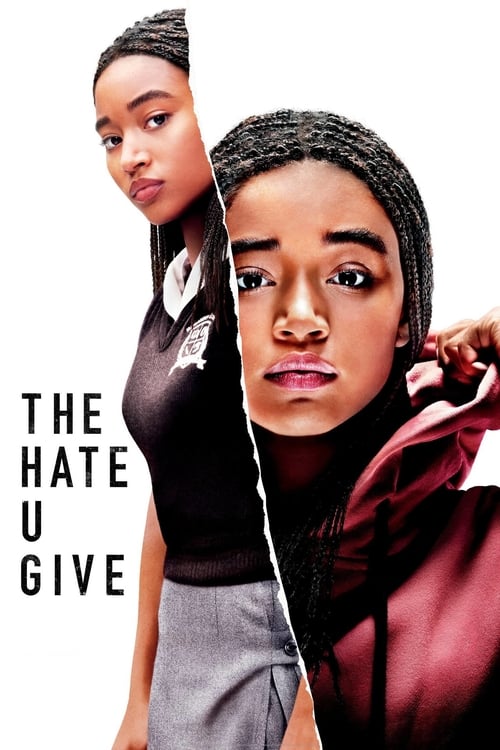
"Two worlds. One voice. No going back."
The Hate U Give - Symbolism & Philosophy
Symbols & Motifs
Khalil's Hairbrush
The hairbrush symbolizes the fatal consequences of racial bias and stereotypes. It represents the unarmed Black victims of police violence whose innocent actions or objects are misinterpreted as threats, leading to their deaths. The protest chant, "A hairbrush is not a gun!", directly addresses this injustice.
During the traffic stop, the white police officer, One-Fifteen, mistakes the hairbrush Khalil picks up for a gun and shoots him three times. This object becomes a central piece of evidence and a rallying cry for protesters demanding justice.
T.H.U.G. L.I.F.E.
An acronym created by rapper Tupac Shakur, it stands for "The Hate U Give Little Infants Fucks Everybody." It serves as the film's core philosophy, explaining how systemic racism and hatred planted in youth perpetuates a destructive cycle of poverty and violence that harms all of society.
Khalil explains the meaning to Starr moments before he is killed. Later, Starr's father, Maverick, elaborates on the concept, helping Starr understand the societal forces that led to Khalil's death and motivating her to fight against them.
Starr's Sneakers (Jordans)
Her Jordans represent her authentic self and the bridge between her two worlds. They are a part of her Garden Heights identity that she initially tries to keep separate from her Williamson life, but eventually wears proudly, symbolizing her integration of her dual identities.
Starr is passionate about her sneakers. Her relationship with her white boyfriend, Chris, deepens when he shows genuine interest in them. Wearing them at Williamson becomes a subtle act of defiance and self-acceptance as she stops hiding her Garden Heights self.
Maverick's Garden
Maverick's rose garden symbolizes his role as a nurturer to his family and community. It represents his effort to cultivate life, beauty, and resilience amidst the harsh conditions of Garden Heights. The health of the roses often mirrors the emotional state of the family.
Maverick is often seen tending to his roses. He tells Starr that gardens need conversation to grow, reflecting his parenting style. The fact that the roses can survive a move to the suburbs signifies that the values he has instilled in his children will also endure.
Philosophical Questions
What is the nature of bravery and what is the cost of speaking out?
The film dismantles the idea of bravery as fearlessness. Through Lisa's words, "Brave doesn't mean you're not scared. It means you go on even though you're scared," it posits that true courage is action in the face of fear. The film meticulously explores the high cost of this bravery. Starr's decision to speak out results in death threats from a local gang, the loss of friendships, intense media scrutiny, and placing her entire family in danger. It forces the audience to question what we ask of our heroes and witnesses, especially when they are children, and to weigh the personal cost of fighting for a collective good.
How does systemic oppression perpetuate cycles of violence?
Through the "THUG LIFE" acronym, the film presents a clear philosophical stance: hate, in the form of racism, poverty, and lack of opportunity, is a seed that, when planted in the young, grows into a cycle of destructive behavior that affects everyone. The film explores this by showing how characters like Khalil and DeVante are drawn into drug dealing not out of malice, but out of desperation caused by systemic poverty. It challenges the viewer to look beyond individual choices and examine the societal structures that limit those choices, arguing that to end the violence, one must first end the hate that fuels it.
Can a fundamentally unjust system be changed from within?
This question is primarily explored through Maverick and his brother-in-law, Carlos. Maverick believes in changing Garden Heights by staying and investing in the community. Carlos, a Black police officer, represents the idea of reforming the system from the inside. The film leaves this question open. Carlos struggles to reconcile his identity as a Black man with his role as an officer, and the grand jury's decision not to indict Khalil's killer suggests that the system is incredibly resistant to change, regardless of the good people working within it. The film leans towards the idea that external pressure, through protest and activism, is essential.
Core Meaning
The core meaning of "The Hate U Give" is encapsulated in the Tupac Shakur quote from which it derives its title: "The Hate U Give Little Infants Fucks Everybody" (THUG LIFE). The film posits that the systemic racism, oppression, and neglect inflicted upon marginalized youth creates a destructive cycle of violence and poverty that ultimately harms society as a whole. Director George Tillman Jr. aims to shed light on the Black Lives Matter movement, exploring the painful realities of police brutality, racial injustice, and the immense courage it takes to speak truth to power. The film's central message is a call to activism and the importance of using one's voice to challenge injustice and break the cycle of hate.