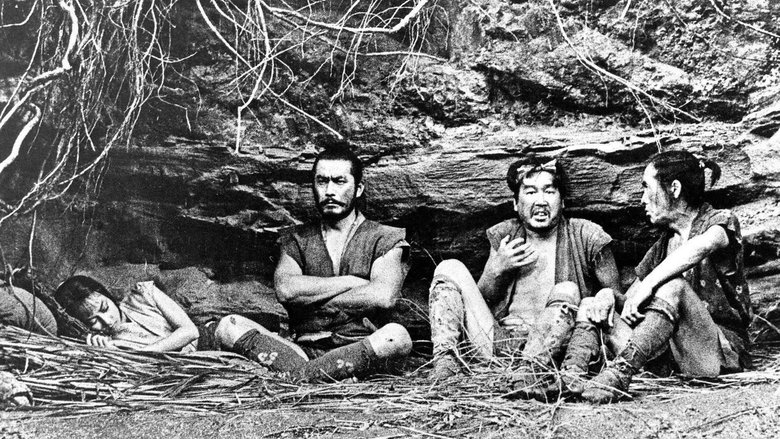

The central plot twist, revealed gradually to the peasants and the audience, is the true identity of their traveling companions: the mysterious man is the legendary General Rokurota Makabe, and the mute girl is Princess Yuki of the defeated Akizuki clan. Their quest is not merely to escape but to smuggle the entire Akizuki treasury, in the form of gold bars hidden inside firewood, to allied territory to fund a rebellion.
A key moment of sacrifice is revealed when Makabe informs Yuki that his own sister willingly acted as Yuki's double and has been captured and executed in her place. This underscores the immense weight of duty and the personal cost of the conflict. The group's journey is fraught with close calls, including a tense sequence at a Fire Festival where they must throw some of the gold into a bonfire to avoid suspicion.
Towards the end, they are captured by Makabe's rival, General Hyoe Tadokoro. However, Tadokoro, moved by Yuki's defiant spirit and remembering Makabe sparing his life after a duel, has a change of heart. He helps them escape, betraying his own clan. In the final scenes, the peasants, having been separated from the group, are captured in the allied Hayakawa province with the remaining gold. When brought before the authorities, they are shocked to see a fully restored Princess Yuki and General Makabe presiding. In an act of grace, Yuki acknowledges their role in her survival and rewards them with a single ryo of gold, bringing their journey full circle.