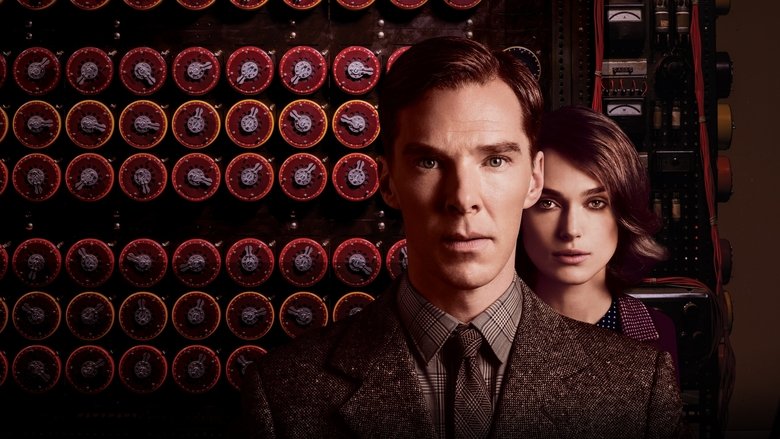
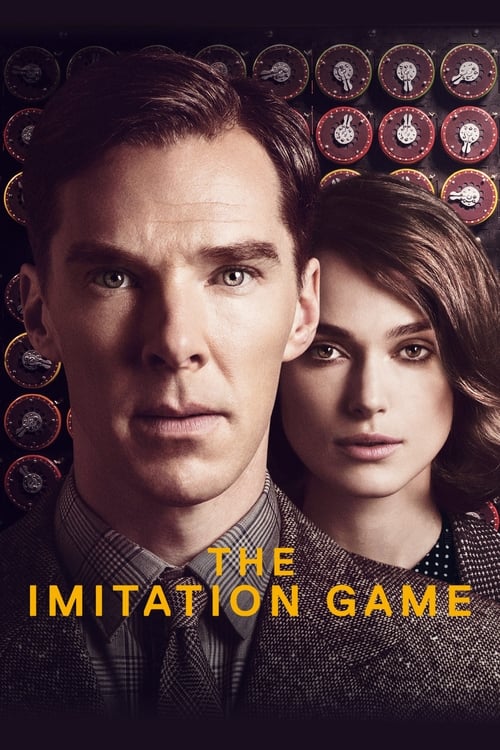
"The true enigma was the man who cracked the code."
The Imitation Game - Symbolism & Philosophy
Symbols & Motifs
The Bombe Machine ('Christopher')
The machine, which Turing names "Christopher" after his childhood friend and first love, symbolizes his longing for connection and his attempt to recreate a mind he has lost. It is more than a tool; it is the physical manifestation of his grief, his intellect, and his deepest emotional attachments. By building the machine, he is not just breaking a code, but also trying to bridge the profound isolation he feels, creating a companion that understands logic and order, much like his bond with the real Christopher.
The machine is the central focus of the Bletchley Park storyline. Its construction, struggles, and eventual triumph drive the plot. Turing's fierce, personal defense of the machine against Commander Denniston and even his own team underscores its symbolic importance to him. The act of naming it solidifies its role as a surrogate for his lost friend.
Crossword Puzzles
Crossword puzzles represent the nature of codebreaking and Turing's unique way of thinking. They are a game of logic, patterns, and finding hidden meanings in plain sight. They symbolize how Turing's life itself is a puzzle, with different parts that need to be pieced together to be understood. They are also a tool for finding like-minded individuals, separating those who can think differently from the rest.
Turing uses a difficult crossword puzzle published in a newspaper as a recruitment tool to find new members for his team, which is how Joan Clarke is discovered. This unconventional method bypasses traditional military recruitment and directly targets minds that are suited for the cryptographic work at Bletchley Park.
The Apple
The apple is a symbol of knowledge, temptation, and ultimately, death. It subtly references the disputed story of Turing's suicide by a cyanide-laced apple, which itself is an echo of the story of Snow White, his favorite fairy tale. It can also be seen as an allusion to the biblical story of forbidden knowledge, reflecting the immense and dangerous power of the information Turing uncovered, as well as the "forbidden" nature of his sexuality in the eyes of the law.
The film ends with a postscript detailing Turing's death, which was ruled a suicide. While the act itself isn't shown, the presence of the apple in discussions of his death is a significant historical and symbolic detail. Director Morten Tyldum mentions Turing's fascination with Snow White as a true detail they couldn't fully fit into the film.
Philosophical Questions
What is the moral cost of the 'greater good'?
The film delves deeply into this question after the Enigma code is broken. The team gains the ability to foresee German attacks, but they realize they cannot act on every piece of intelligence. To do so would alert the Germans that Enigma is compromised. Thus, they are forced into the horrifying position of 'playing God,' using mathematical calculations to decide which attacks to allow and which to prevent to maximize their strategic advantage and shorten the war. This raises profound ethical questions about utilitarianism: is it justifiable to sacrifice innocent lives in the short term to save a greater number in the long term? The film portrays the immense psychological burden this places on Turing and his team, showing that such decisions, even if logical, are morally devastating.
Can a machine think? And what defines a 'person'?
The film is titled after Turing's own philosophical test for artificial intelligence. While not deeply exploring the technical aspects, it constantly blurs the line between human and machine. Turing treats his machine, Christopher, with more affection and understanding than he does most people. His own thought processes are depicted as extraordinarily logical, almost computer-like. His final, poignant question to Detective Nock—"Am I a machine? Am I a human?"—directly asks how we define personhood. Is it based on emotion, logic, societal contribution, or legal status? The film suggests that these categories are inadequate and that judging a being, whether human or machine, is a far more complex and morally fraught task than it appears.
Core Meaning
The central message of "The Imitation Game" is a celebration of those who are different and a condemnation of the societal prejudice that can stifle genius and humanity. It posits that the most groundbreaking achievements often come from individuals who think unconventionally, those whom society might initially dismiss or fail to understand. The film's recurring quote, "Sometimes it is the people no one imagines anything of who do the things that no one can imagine," encapsulates this idea. It argues that a person's worth and potential should not be judged by societal norms or prejudices, whether related to social awkwardness, gender, or sexual orientation. The film serves as both a tribute to Alan Turing's monumental, world-saving work and a tragic indictment of the intolerance that ultimately destroyed him.