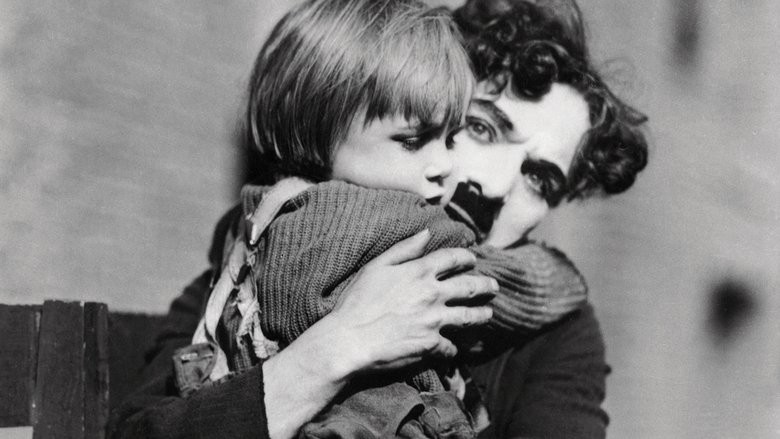
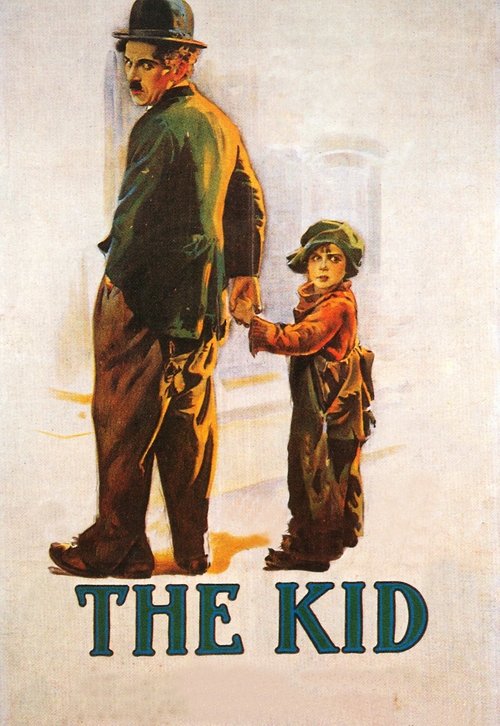
The plot of "The Kid" culminates in the reunion of the central characters. After the flophouse proprietor turns the Kid over to the police for a reward, the boy is reunited with his long-lost mother, who had been searching for him after the doctor showed her the note she had left with her baby years ago. The Tramp, heartbroken and alone, returns to the doorstep of their old home and falls asleep. He then has an elaborate dream in which his neighborhood is transformed into a heaven-like "Dreamland," populated by angels and devils. In the dream, a misunderstanding leads to the Tramp being shot by a policeman as he tries to fly away.
The gunshot in the dream coincides with a real policeman waking the Tramp up. Instead of arresting him, the officer drives him to a mansion. The door is opened by the mother and the Kid, who joyfully embraces the Tramp. The film ends with the Tramp being welcomed into their new home, suggesting a happy future for this newly formed family. This ending, while emotionally satisfying, can be seen as a somewhat idealized resolution to the complex social issues raised throughout the film. It neatly ties up the narrative threads, providing a sense of closure and hope. The dream sequence, occurring just before the resolution, can be interpreted as the Tramp's subconscious processing of his loss and his longing for a better world, a world which, in the film's final moments, he is invited to join.