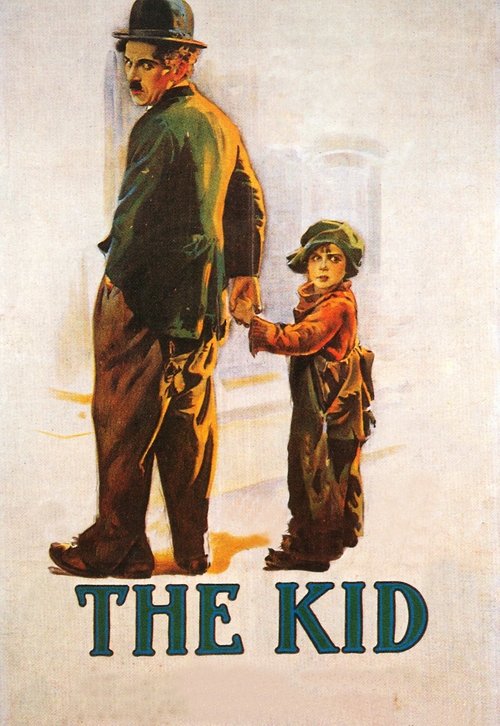
"6 reels of Joy."
The Kid - Symbolism & Philosophy
Symbols & Motifs
The Note
The handwritten note left with the baby, which reads, "Please love and care for this orphan child," symbolizes the mother's desperate hope for her son's future and the universal need for love and compassion. It is the catalyst that transforms the Tramp's initial reluctance into fatherly devotion.
The Tramp discovers the note tucked into the baby's blankets. This is the turning point where he decides to keep and raise the child. The note reappears later in the film when the doctor finds it and shows it to the mother, confirming the Kid's identity.
The Broken Windows
The scheme of the Kid breaking windows for the Tramp to repair symbolizes their symbiotic relationship and their creative, albeit illicit, means of survival in a society that offers them few opportunities. It represents their resourcefulness and their ability to create order and a livelihood out of chaos.
This recurring gag is shown as the primary source of income for the Tramp and the Kid. It's a comedic illustration of their teamwork and their defiance of a system that has marginalized them.
The Dreamland Sequence
The Tramp's dream of a heavenly neighborhood where everyone has wings symbolizes his desire for a world free from poverty, conflict, and the harsh realities of his life. It also reflects the film's themes of good versus evil and the longing for a utopian existence. However, the intrusion of devils into his dream suggests that even in paradise, human frailties and temptations exist.
After the Kid is taken from him, the Tramp falls asleep on the doorstep of their former home and dreams that his neighborhood has been transformed into a celestial paradise. The dream ends abruptly when a policeman wakes him up, bringing him back to the harsh reality.
The Flophouse
The flophouse represents the rock bottom of poverty and desperation. It is a transient space for those who have nowhere else to go, highlighting the precariousness of the Tramp and the Kid's existence when they are on the run.
After escaping from the orphanage officials, the Tramp and the Kid spend the night in a flophouse. It is here that the proprietor, motivated by a reward, betrays them and takes the Kid to the police, leading to their separation.
Philosophical Questions
What truly defines a family?
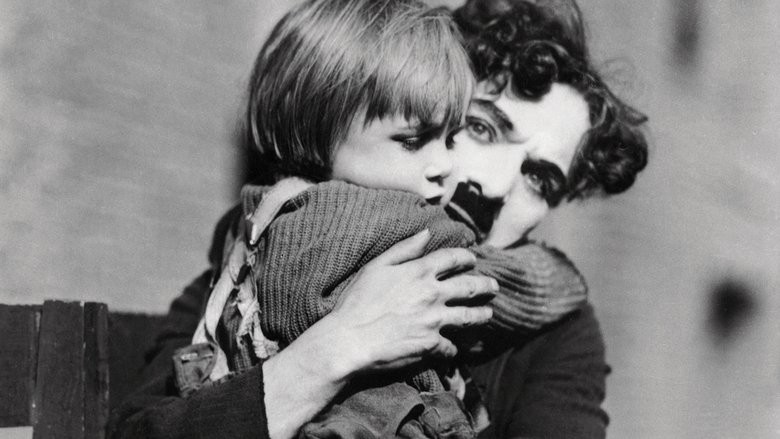
"The Kid" challenges the conventional definition of family by presenting a loving and nurturing relationship between an unrelated man and a child. The film argues that the emotional bonds of love, care, and mutual support are more important than biological ties in creating a true family. It forces the audience to question whether the state has the right to interfere in such a relationship simply because it does not conform to societal norms.
Does poverty negate the ability to provide a loving home?
The film directly confronts the prejudice that the poor are unfit parents. Despite their poverty, the Tramp and the Kid have a rich and happy life together, filled with love and laughter. The authorities, however, see only the material deprivation and seek to remove the child. The film asks whether a loving but impoverished home is not preferable to a materially comfortable but emotionally sterile institution.
Can comedy be a vehicle for serious social commentary?
Chaplin masterfully uses slapstick comedy to disarm the audience and make them more receptive to the film's serious social themes. The humor makes the harsh realities of poverty and social injustice more palatable, allowing Chaplin to critique societal institutions without being preachy. The film raises the question of whether art, and comedy in particular, can be a powerful tool for social change.
Core Meaning
"The Kid" is a profound exploration of the nature of love, family, and social justice. At its heart, the film argues that the bonds of love and care, not blood ties or social standing, are what truly constitute a family. Chaplin uses the relationship between the Tramp and the Kid to challenge conventional notions of fatherhood and societal responsibility. The film is also a powerful social commentary on poverty and the indifference of the upper classes. Through a masterful blend of slapstick comedy and heart-wrenching drama, Chaplin critiques the social institutions that would tear a loving, albeit unconventional, family apart based on rigid rules and class prejudice. The film's message is ultimately one of hope and the resilience of the human spirit in the face of adversity.