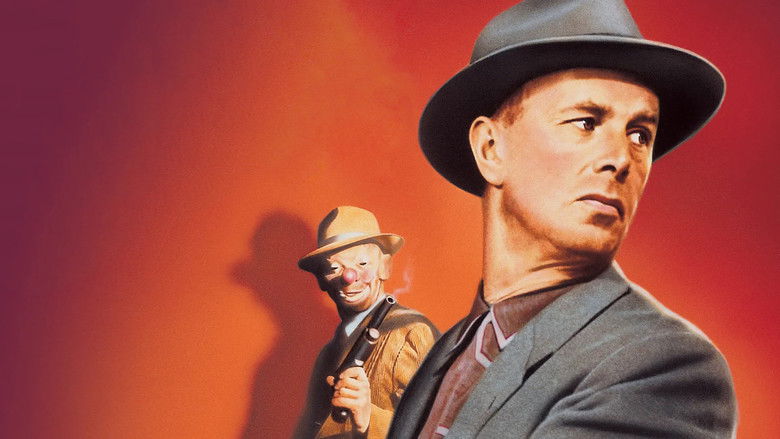
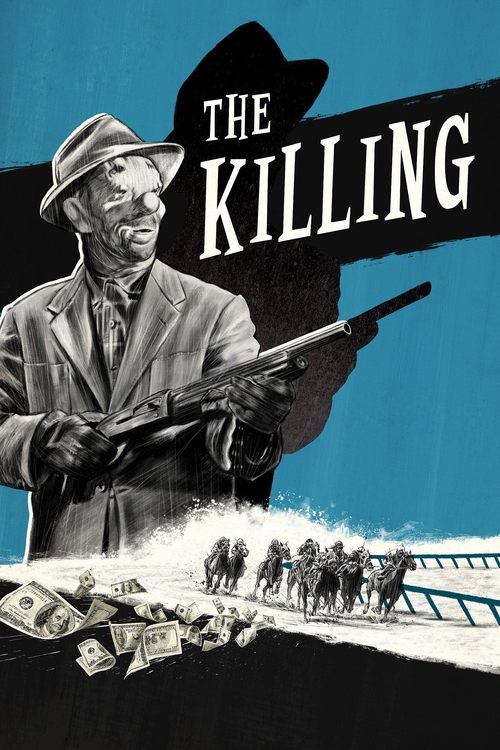
The brilliance of The Killing lies in the fact that the heist itself goes perfectly according to plan. Nikki shoots the horse to cause a distraction, Maurice starts a bar brawl, and Johnny successfully robs the money room of $2 million while wearing a clown mask. The hidden meanings and plot twists emerge solely from the human elements completely disconnected from the logistics.
The Twists: The first twist is the death of Nikki. He successfully shoots the horse but drops a horseshoe; when a parking attendant approaches, Nikki attempts to flee, but another horseshoe punctures his tire, leading to a fatal shootout with a security guard. The major plot turn occurs because George told his manipulative wife, Sherry, about the money. Sherry's lover, Val, ambushes the gang's meeting place to steal the loot. George arrives, realizes Sherry betrayed him, and a massive shootout ensues, killing everyone but George. Mortally wounded, George stumbles home, shoots Sherry in retaliation, and dies.
The Ending: Unaware of the massacre, Johnny arrives late, sees the police, and heads straight for the airport. Here, the ultimate tragic irony is revealed. Johnny's fatal flaw was his hubris in buying a cheap, second-hand suitcase to hold the cash. Forced to check the oversized bag, he watches helplessly from the terminal as a random poodle runs onto the tarmac. The baggage cart swerves to avoid the dog, the cheap suitcase falls and bursts open, and the airplane propellers scatter the $2 million into the night sky. Rather than running from the approaching detectives, Johnny simply says, "What's the difference?" realizing that one cannot outrun fate.