"In all its fury and violence..."
The Killing - Symbolism & Philosophy
Symbols & Motifs
The Cheap Suitcase
The oversized, second-hand suitcase symbolizes Johnny's fatal hubris and the inherent vulnerability of human ambition. It represents the single, mundane oversight in an otherwise brilliant mastermind's multi-million dollar scheme.
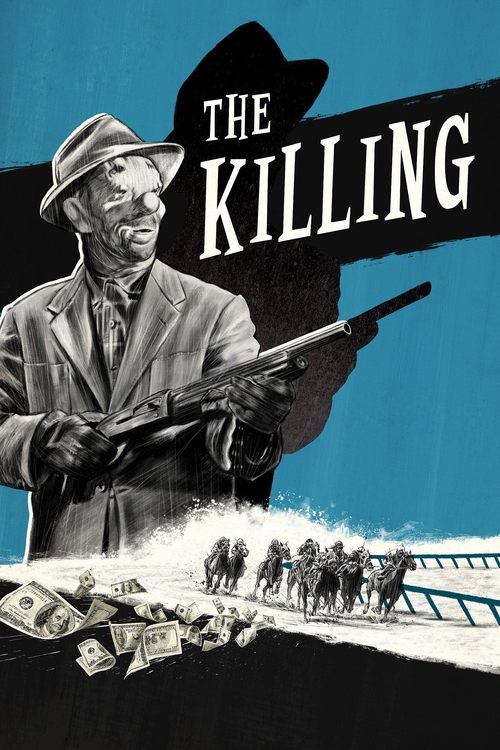
Purchased hastily from a pawn shop, the suitcase is used to transport the $2 million to the airport. Its flimsy locks burst open on the tarmac when it falls from a cart, violently scattering the money and destroying Johnny's future.
The Horseshoe
The horseshoe serves as a classic symbol of luck, but in the bleak noir universe of the film, it represents rejected grace, bad karma, and ironic fate.
A Black parking attendant offers a good-luck horseshoe to the racist sniper, Nikki Arcane, who rejects it with a slur. Shortly after, Nikki's escape is thwarted when another horseshoe punctures his car tire, leading directly to his death.
The Clown Mask
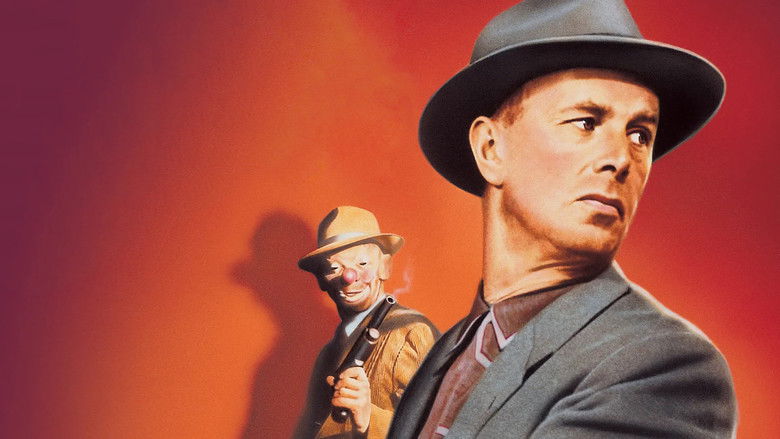
The mask represents the absurdity of the criminal endeavor and the necessary stripping of individual identity. It transforms the calculating human being into an anonymous, grotesque cog within the machinery of the heist.
Johnny wears the clown mask during the actual robbery in the money-counting room, providing a surreal, darkly comedic contrast to his ruthless efficiency and the deadly serious nature of the crime.
The Chess Board
Chess symbolizes strategic planning, intellect, and the manipulation of others as mere pawns in a larger game. It reflects both the director's own worldview and the protagonist's cold calculations.
Johnny meets the wrestler, Maurice, at a smoky chess club to recruit him. Johnny plays his accomplices just as he would chess pieces, sacrificing them for the ultimate checkmate, yet he forgets that human pawns have free will.
Philosophical Questions
Is humanity ever truly in control of its own destiny?
The film meticulously constructs a scenario where human intellect attempts to master time and space. Johnny's plan is logically flawless, accounting for every second. Yet, it is entirely dismantled by random, irrational chance (a horseshoe, a stray dog). The film posits that true control in a chaotic, indifferent universe is nothing more than a tragic illusion.
Does the mechanization of modern life strip away our humanity?
Throughout the heist, characters are treated merely as functional cogs in a larger machine; they do not even know the full plan. To achieve success, they must abandon their individuality and become mechanical. However, the film shows that when base human nature (passion, jealousy, greed) inevitably reasserts itself, the machine spectacularly breaks down.
What holds more moral weight: a victimless crime against an institution, or intimate human betrayal?
Johnny rationalizes shooting a racehorse as "not murder at all" and focuses on stealing institutionally insured money, viewing it as a clean, victimless crime. However, the film contrasts this cold logic with the devastating, bloody violence that stems from intimate betrayal within the Peattys' marriage, questioning where true moral decay actually lies.
Core Meaning
At its core, The Killing explores the profound futility of human endeavor when faced with the overwhelming chaos of an indifferent universe. Stanley Kubrick uses the heist framework to deliver a deeply philosophical and pessimistic message: no matter how meticulously a person plans, calculates, and attempts to control their destiny, they cannot account for the sheer unpredictability of human nature and random chance.
The film suggests that man's desire to impose order and logic upon the world is an ultimate illusion. The master plan is defeated not by police brilliance or a flaw in the timeline, but by the irrationality of human emotions—greed, lust, and betrayal—and, ultimately, by cosmic absurdity in the form of a stray poodle and a gust of wind. The director underscores a fatalistic worldview where humanity is perpetually trapped in a losing game of chess against fate itself.