Le Roi et l'Oiseau
The King and the Mockingbird - Symbolism & Philosophy
Symbols & Motifs
The Bird (L'Oiseau)
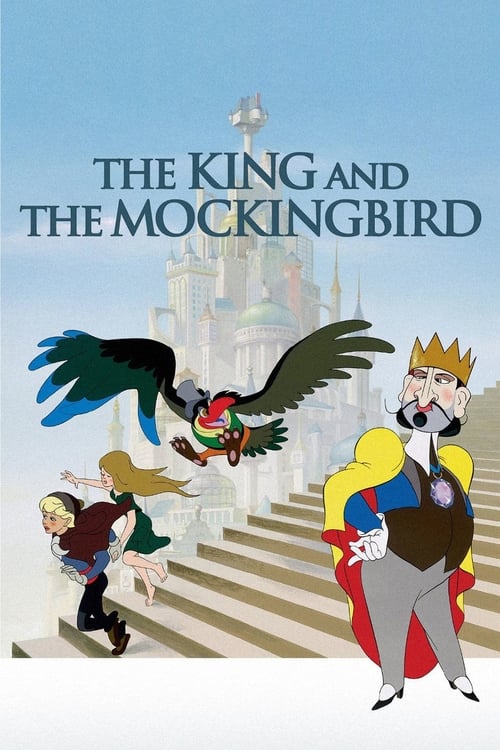
Symbolizes anarchy, free thought, and nature. He is the only colorful element in a gray world and the only voice brave enough to speak truth to power.
He constantly taunts the King, rescues the lovers, and eventually controls the giant robot, serving as the catalyst for the revolution.
The Giant Robot
Represents the ultimate power of the state—destructive and mindless. It is a neutral tool that destroys whoever controls it dictates.
Built to enforce the King's will, it is hijacked by the Bird to destroy the castle, turning the regime's own weapon into the instrument of its downfall.
The Cage
A recurring motif for imprisonment and the suppression of freedom.
Used literally to trap the Bird and his chicks, and symbolically in the final scene where the Robot smashes a cage, delivering the film's final, silent message.
The Trapdoors
The arbitrary nature of totalitarian justice and the silencing of dissent.
The King pushes buttons to drop anyone who displeases him—courtiers, artists, even his own police—into the void, showing how dispensable human life is to a tyrant.
Philosophical Questions
Can art be more 'real' than reality?
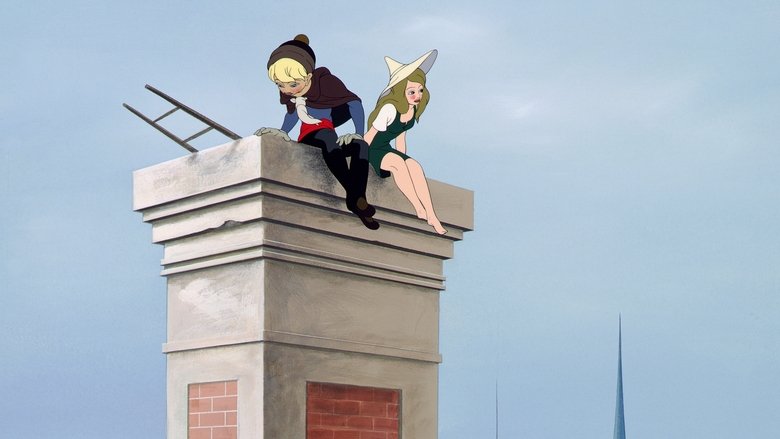
The film suggests that the painted characters (the Shepherdess, Chimney Sweep, and Portrait King) have more agency and vitality than the living King, questioning the nature of existence and the power of representation.
Is destruction necessary for true freedom?
The total annihilation of the castle at the end raises the question of whether reform is possible under tyranny, or if the entire system must be razed to the ground to build something new.
Core Meaning
The King and the Mockingbird is a profound allegory about the fragility of tyranny and the enduring power of art and freedom. Grimault and Prévert illustrate that authoritarian regimes, no matter how imposing or mechanically advanced, are ultimately hollow and self-destructive.
The film posits that true power lies not in control or technology (represented by the robot and the factory), but in the spontaneous, organic force of love and nature (the Bird and the lovers). The ending serves as a warning: while the instruments of oppression can be turned against their masters, the aftermath leaves a quiet, somber world where freedom must be carefully preserved.