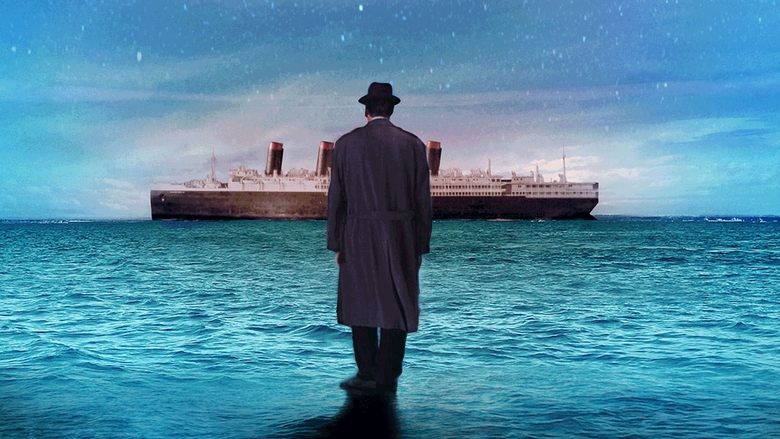
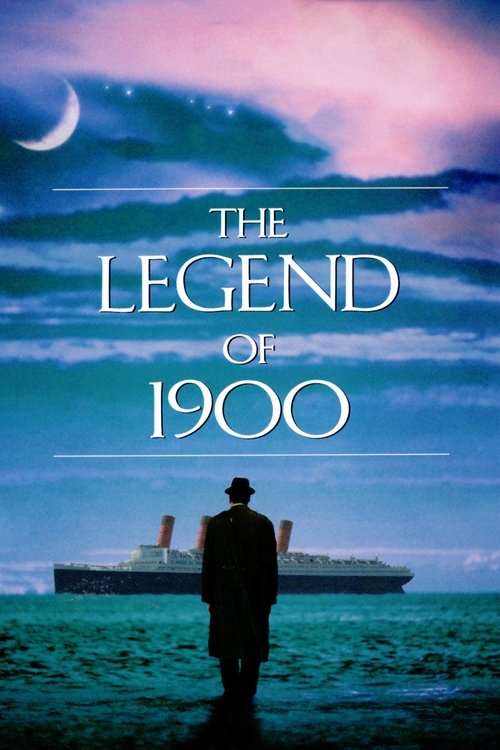
The entire narrative of "The Legend of 1900" is a flashback, told by Max Tooney to a music shop owner. This framing device is crucial, as we learn from the outset that 1900's story is a memory, a legend being passed on. The central plot twist, though foreshadowed, is 1900's ultimate decision to not only remain on the SS Virginian but to die with it.
After years away, Max learns the ship is to be scuttled and filled with dynamite. Convinced 1900 is still aboard, he gets permission to search for him. He lures 1900 out of hiding by playing the broken record of the love theme 1900 composed years earlier. Their final meeting is the philosophical climax of the film. Max pleads with him to leave, but 1900 delivers his powerful monologue about the 'infinite keyboard' of the land. He explains that the world's boundlessness is not a promise of freedom but a terrifying void in which he could not create music or even exist. He feels his fate is tied to the ship.
Max is forced to accept his friend's decision and leaves the ship for the last time. 1900 remains, and in his final moments, he sits in the ship's ballroom, raises his hands to an imaginary piano, and smiles as the dynamite detonates, destroying the ship and ending his life where it began. The hidden meaning that becomes clear is that 1900's entire life was an act of choosing the finite. His death is not a surrender but the ultimate expression of his life's philosophy. The final scene reveals the music shop owner, moved by the story, giving Max his trumpet back, saying, "A good story is worth more than an old trumpet," cementing the film's theme that legacy is carried not in objects, but in the telling of a life.