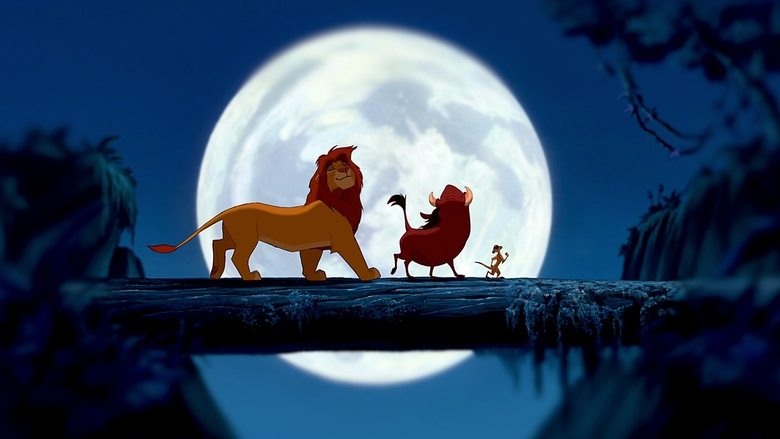
The central twist of "The Lion King" is the revelation that Scar, not Simba, is responsible for Mufasa's death. Early in the film, Scar lures Simba into a gorge and triggers a wildebeest stampede. Mufasa saves Simba but is left clinging to a cliff edge, where Scar, after uttering the chilling line "Long live the king," throws him to his death. Scar then manipulates the guilt-ridden Simba into believing the tragedy was his fault and convinces him to run away and never return. This lie forms the foundation of Simba's exile and his reluctance to return to the Pride Lands. The truth is only revealed during the climactic battle between Simba and Scar. Scar, believing he has cornered Simba, whispers the truth to him, intending to torment him before the final blow. This confession, however, gives Simba the strength to fight back. Overhearing Scar's attempt to blame the hyenas for his actions, they turn on him after his defeat, leading to his demise. The film's ending sees Simba taking his rightful place as king, with the Pride Lands being restored to their former glory. The final scene mirrors the opening, with Rafiki presenting Simba and Nala's newborn cub, signifying the continuation of the Circle of Life and the restoration of balance.
"The greatest adventure of all is finding our place in the Circle of Life."
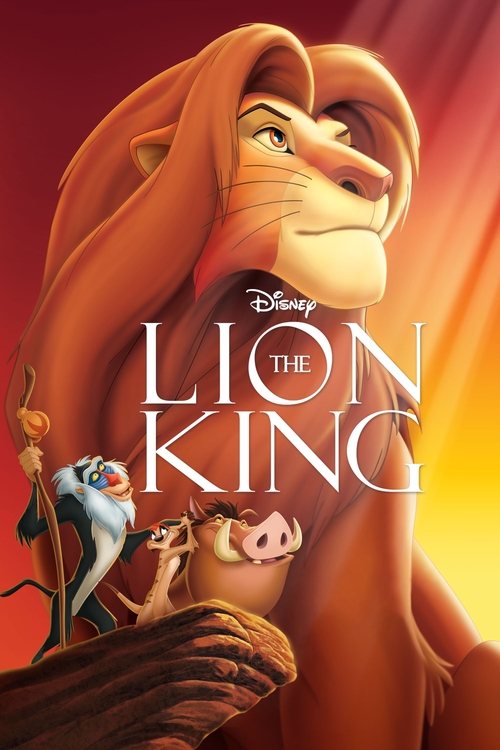
Director: Roger Allers, Rob Minkoff
Cast: Matthew Broderick, Moira Kelly, Nathan Lane, Ernie Sabella, James Earl Jones
The Lion King — Ending Explained
⚠️ Spoiler Analysis
Alternative Interpretations
While "The Lion King" is widely seen as a classic coming-of-age story, some alternative interpretations exist. One political analysis views the film as a celebration of a monarchical system and a cautionary tale against revolution. In this reading, the "Circle of Life" is seen as a justification for a rigid social hierarchy where the lions rule and other animals serve. Scar's reign, which includes an alliance with the marginalized hyenas and leads to environmental collapse, can be interpreted as a depiction of a failed totalitarian or communist regime. Simba's return is then seen as the restoration of the rightful, divinely ordained monarchy. This interpretation questions whether the film inadvertently promotes a conservative political ideology by presenting the established order as inherently good and any disruption to it as catastrophic.
Explore More About This Movie
Dive deeper into specific aspects of the movie with our detailed analysis pages