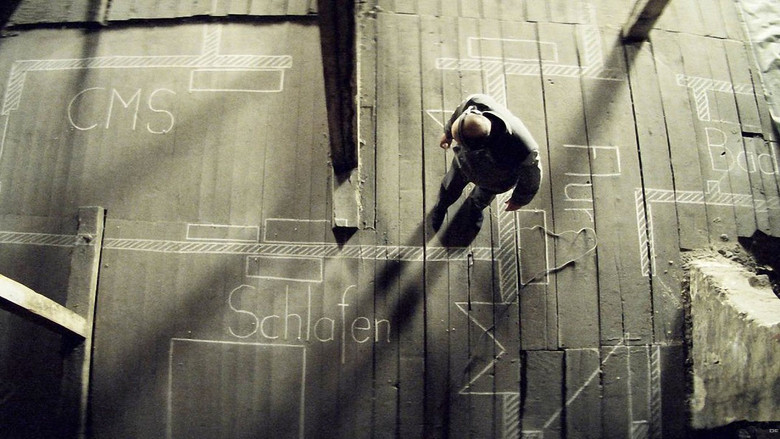
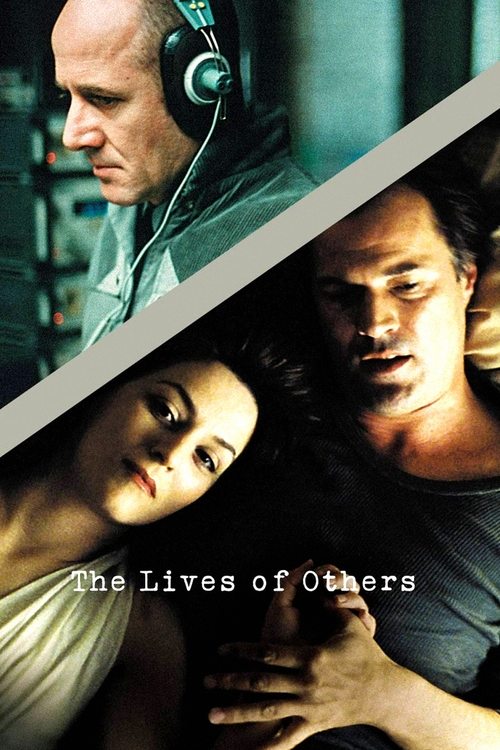
The central twist of "The Lives of Others" is not a sudden event, but the gradual, profound transformation of its protagonist, Stasi agent Gerd Wiesler. The true reveal is that the relentless hunter becomes the silent guardian. Initially tasked with finding incriminating evidence on Georg Dreyman, Wiesler, moved by the couple's love and art, begins to actively protect them. He omits crucial details from his reports, such as when he conceals Dreyman's plan to write a dissident article about East Germany's suppressed suicide statistics.
The climax of this deception occurs after Christa-Maria Sieland, broken under interrogation by Wiesler himself, reveals the hiding place of the contraband typewriter used to write the article. In a heart-pounding sequence, Wiesler arrives at the apartment moments before his colleagues and removes the typewriter, hiding it himself. When the Stasi search team, led by a suspicious Grubitz, tears up the floorboard, they find nothing. This act of sabotage saves Dreyman but effectively ends Wiesler's career; Grubitz, knowing something is amiss, demotes him to the mind-numbing purgatory of steaming letters in a basement department for the rest of his days with the Stasi.
A devastating turn is Christa-Maria's fate. Overwhelmed by guilt for her betrayal and seeing the look on Dreyman's face as he realizes she was the informant, she runs out into the street and is fatally struck by a truck. Her tragic end underscores the immense human cost of the regime's psychological cruelty.
The film's ending provides a quiet, deeply satisfying resolution. Years after the fall of the Berlin Wall, Dreyman learns from the former Minister of Culture that he was, in fact, under constant surveillance. Puzzled, he accesses his own Stasi file. He discovers the reports are incomplete and falsified, and a red ink fingerprint on the final report leads him to the stunning realization that the agent in charge, HGW XX/7, was his savior. Dreyman tracks down Wiesler, who is now a humble mailman, but chooses not to confront him, understanding that the greatest acknowledgment would be through his art. Two years later, Wiesler sees Dreyman's new novel, "Sonata for a Good Man," in a bookstore window. He opens it to find the dedication: "To HGW XX/7, with gratitude." When the clerk asks if he'd like the book gift-wrapped, Wiesler's final line, "No. It's for me," confirms that he has finally claimed his own story of redemption.