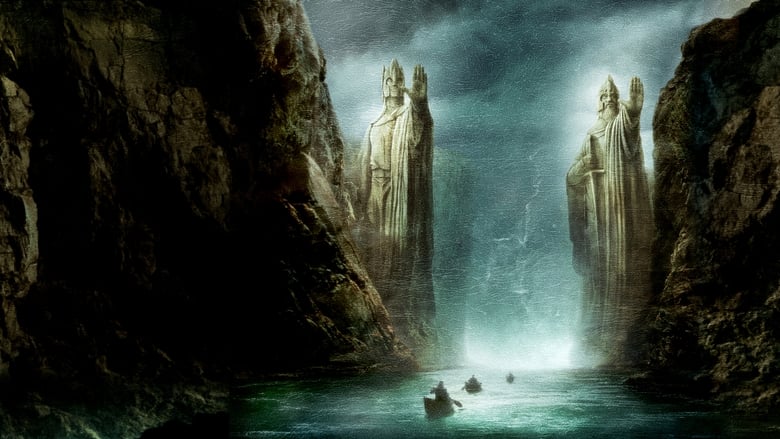
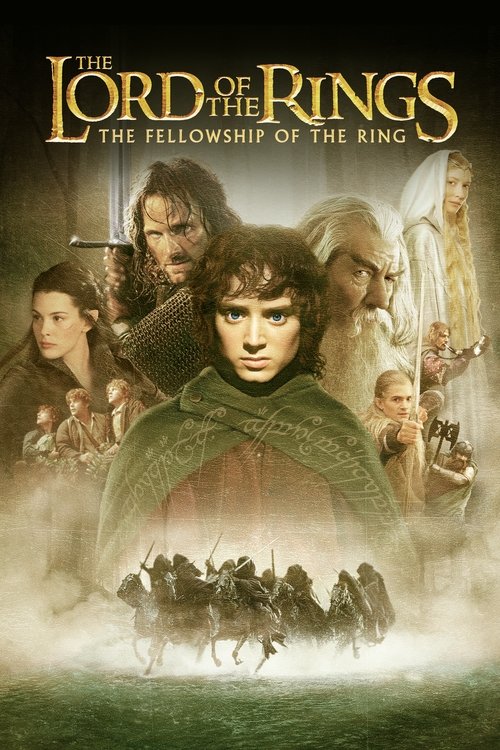
The Fellowship of the Ring's plot is a journey of escalating peril that ends not with victory, but with the fracturing of hope. The central narrative follows Frodo Baggins, who discovers the ring inherited from his uncle Bilbo is the One Ring of the Dark Lord Sauron. At the Council of Elrond, the decision is made to destroy it in Mount Doom, and Frodo volunteers for the task. The Fellowship, composed of nine companions representing the Free Peoples, is formed to protect him.
Key plot turns reveal the immense danger of their quest. The first major twist is the revelation of Saruman the White's betrayal. Gandalf, seeking counsel from the head of his order, discovers Saruman has allied with Sauron, leading to a wizard's duel and Gandalf's imprisonment. This removes the most powerful protector from the hobbits' initial journey. The second, and most devastating, turning point occurs in the Mines of Moria. To save the Fellowship from the Balrog, a demon of the ancient world, Gandalf sacrifices himself, shattering the Bridge of Khazad-dûm and falling into the abyss. This loss of their leader and mentor is a massive blow to the group's morale and unity.
The film's climax at Amon Hen reveals the Ring's insidious power to corrupt. Boromir, a valiant man of Gondor, succumbs to the Ring's temptation and tries to take it from Frodo by force. Terrified, Frodo realizes the Ring's influence will inevitably poison his friends and tear the Fellowship apart. In the ensuing chaos, the Fellowship is ambushed by Uruk-hai. Boromir, in a heroic act of redemption, dies defending Merry and Pippin, who are then captured. The hidden meaning becomes clear: the Fellowship as a unified force has failed. The quest cannot be won by committee or sheer strength. This forces Frodo to make a crucial decision. Understanding that the burden is his alone, he chooses to secretly leave for Mordor, accompanied only by the unshakeably loyal Samwise Gamgee, who catches up to him. The film ends on this somber, uncertain note, with the original group shattered and the two smallest members heading into the heart of enemy territory alone.