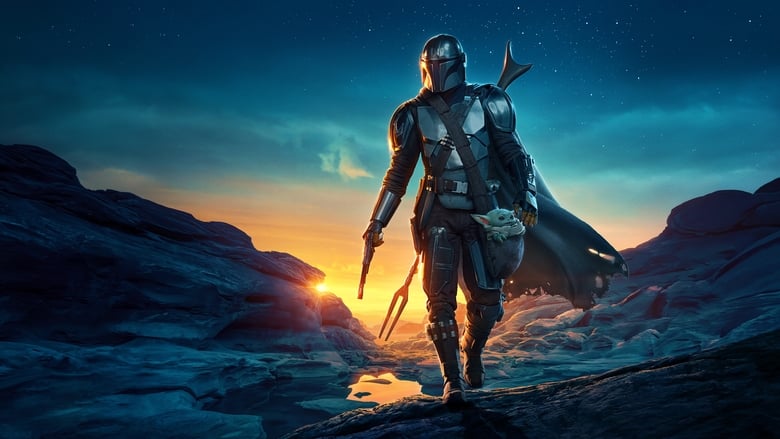
"Bounty hunting is a complicated profession."
The Mandalorian - Symbolism & Philosophy
Symbols & Motifs
The Mandalorian Helmet
Represents total devotion to the Creed and the sacrifice of personal identity for the collective. For Din Djarin, it is both a shield and a prison that he must eventually learn to navigate emotionally.
Used as a primary plot device; the act of removing it signifies the highest form of intimacy or the most desperate of sacrifices, as seen in the Season 1 and Season 2 finales.
The Darksaber
A symbol of leadership and the right to rule Mandalore. It represents the weight of history and the burden of power that cannot be simply handed over, but must be won in combat.
Introduced in the Season 1 finale by Moff Gideon, it becomes the central focus of Season 3 as Bo-Katan and Din struggle with its legacy.
Beskar Steel
Symbolizes the purity of the Mandalorian heritage and the literal and figurative strength of the community. It is the only thing that belongs to them, often referred to as being "returned" to the tribe.
Seen throughout the series as Din upgrades his armor, highlighting his progression from a scavenger-like warrior to a knight in shining armor.
The Mythosaur
A legendary beast that symbolizes the rebirth of Mandalore and the return of its ancient glory. It represents hope and the fulfillment of prophecy.
Iconography of the skull is everywhere; the physical beast is finally glimpsed by Bo-Katan in the Living Waters in Season 3.
Philosophical Questions
Is identity inherited or chosen?
The show explores this through the concept of 'foundlings.' Din Djarin was not born a Mandalorian, yet he is 'more' Mandalorian than those who share the bloodline because of his adherence to the creed. Conversely, Grogu is born a Jedi but chooses to be a Mandalorian, suggesting that cultural identity is a matter of action and intent.
Does strict adherence to dogma hinder or help morality?
The 'Way of the Mandalore' provides Din with a sense of purpose, but it also creates barriers to intimacy and growth. The series asks if a code is worth following if it prevents you from doing what is objectively right or compassionate.
Core Meaning
The core of The Mandalorian explores the idea that identity and purpose are forged through choice rather than heritage or rigid dogma. While Din Djarin begins the series as a fundamentalist adherent to "The Way," his relationship with Grogu teaches him that the true meaning of his creed lies in the protection of the innocent and the bonds of found family. It suggests that a person’s true "way" is discovered not by following ancient rules blindly, but by showing compassion in a lawless universe.