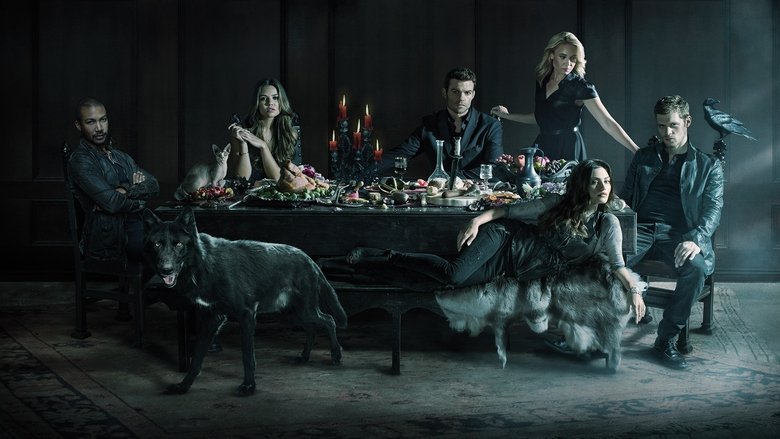
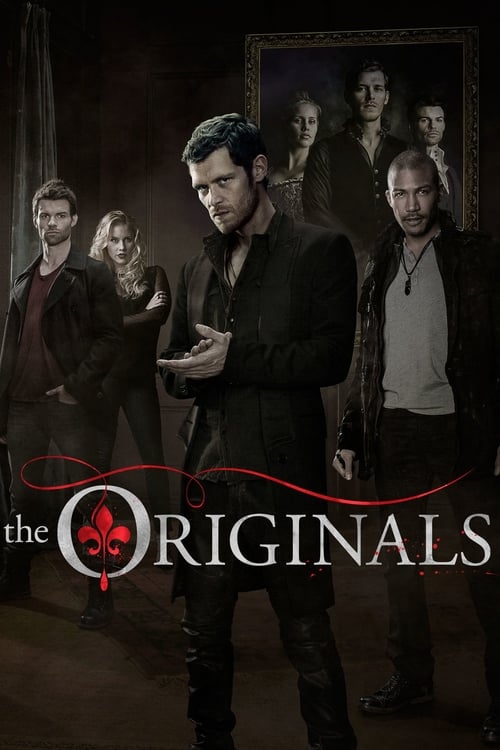
"The Originals" is fundamentally a tragedy about the redemption of Klaus Mikaelson, a journey that necessitates his death. The central twist of the series isn't a plot point but a character transformation: the seemingly irredeemable villain of "The Vampire Diaries" becomes a self-sacrificing father. This arc is set in motion by the improbable birth of his daughter Hope, a tribrid (witch, werewolf, vampire), who becomes the family's salvation.
Throughout the series, the Mikaelsons face threats that are deeply personal, often resurrected from their own past. Their parents, Mikael and Esther, return as antagonists in Season 2. Season 3 introduces the first vampires they ever sired, who return seeking revenge for being abandoned by their makers. A major turning point occurs at the end of Season 3, when Marcel, Klaus's adoptive son, uses a serum to become an Upgraded Original Vampire and defeats the Mikaelsons, imprisoning Klaus for five years.
The primary antagonist of the final two seasons is an ancient, disembodied witch spirit called The Hollow. In the Season 4 finale, to save Hope's life, the four remaining Mikaelson siblings divide The Hollow's spirit and place it within themselves, forcing them to separate forever to prevent it from reforming. This act shatters their "Always and Forever" vow.
The series finale sees this solution fail as The Hollow's influence grows again. Klaus ultimately siphons the entirety of the dark magic from Hope into himself. Knowing the magic will corrupt and kill him, he chooses to die, taking the entity with him. In the final moments, his brother Elijah, seeing that Klaus has finally achieved the redemption he sought for him for a millennium, reveals his purpose is complete. The brothers break the last White Oak Stake in two and stake each other, turning to ash together. This ending reveals the true meaning of their journey: Klaus's redemption was not just about saving himself, but about completing the purpose that drove his most loyal companion, Elijah, making their shared death the ultimate fulfillment of their bond.