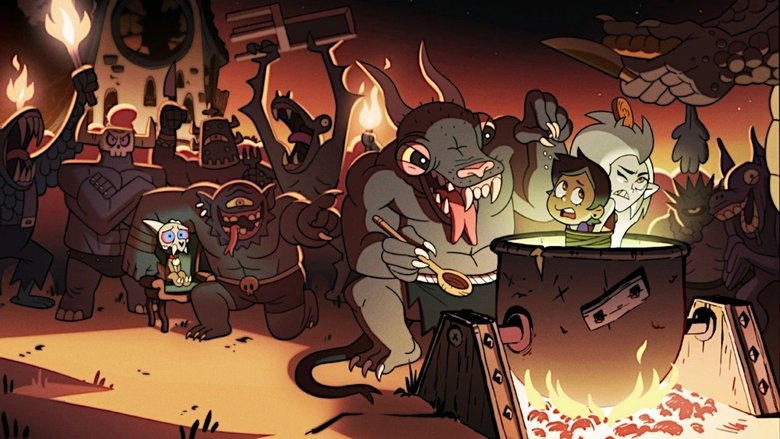
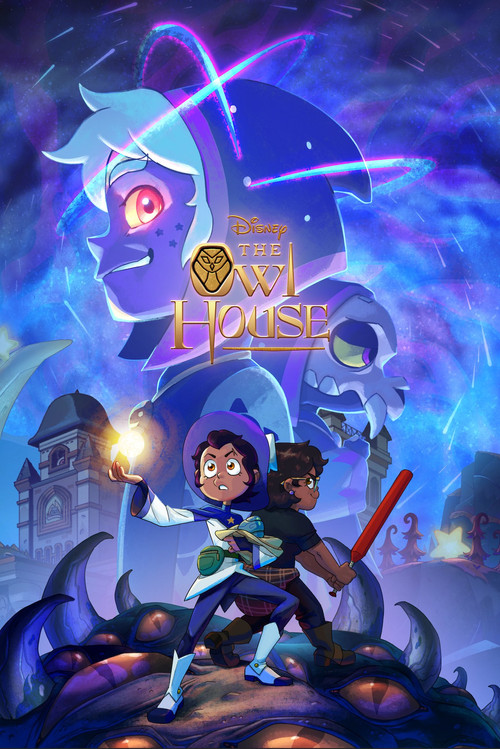
The overarching plot of "The Owl House" is filled with critical twists. The first major reveal is that Eda's curse was not an accident but was inflicted by her own sister, Lilith, in a moment of jealous weakness. This re-frames Lilith's character from a simple antagonist to a tragic figure seeking redemption.
The most significant twist of the series is the true identity of the main villain. Emperor Belos is revealed to be Philip Wittebane, a human witch-hunter from the 1600s who has prolonged his life by consuming Palismen. His stated goal of the "Day of Unity" is a lie; it is actually a massive draining spell designed to commit genocide against every witch and demon on the Boiling Isles. Luz unknowingly helped him find The Collector in the past, a fact that causes her immense guilt.
Furthermore, Hunter, the Golden Guard, is not Belos's nephew but the latest in a long line of Grimwalkers—clones of Philip's brother, Caleb, whom Philip murdered for falling in love with a witch. This horrifying truth shatters Hunter's identity and serves as the catalyst for his defection. Finally, King's true nature is revealed: he is not a simple demon, but the son of the Titan whose body forms the Boiling Isles, making him the last of his kind and a being of immense power.
The series finale sees Luz temporarily die and get resurrected by the spirit of King's father, gaining Titan powers to finally destroy Belos's monstrous form. The Collector, a childlike cosmic being freed by Belos, is not defeated but redeemed by King, who teaches them about friendship. An epilogue flashes forward several years, showing a healed Boiling Isles where magic is wild and free, the realms are connected, and the found family of the Owl House is thriving together.