The film builds an overwhelming sense of dread as the mob captures Donald Martin, a Mexican, and an old man. Despite Martin's articulate defense and the fact that he purchased the cattle legitimately (but has no bill of sale), the mob hangs all three at sunrise. The Twist: Upon returning to town, the posse encounters the Sheriff, who reveals that Kinkaid (the 'murdered' man) is actually alive and the real rustlers have already been caught. The mob has murdered three innocent men. The Ending: Major Tetley, unable to face his guilt and his son's judgment, commits suicide. Gil Carter reads Martin's heartbreaking letter to the silent, shamed men in the saloon, then rides out of town to deliver the letter and money to Martin's widow.
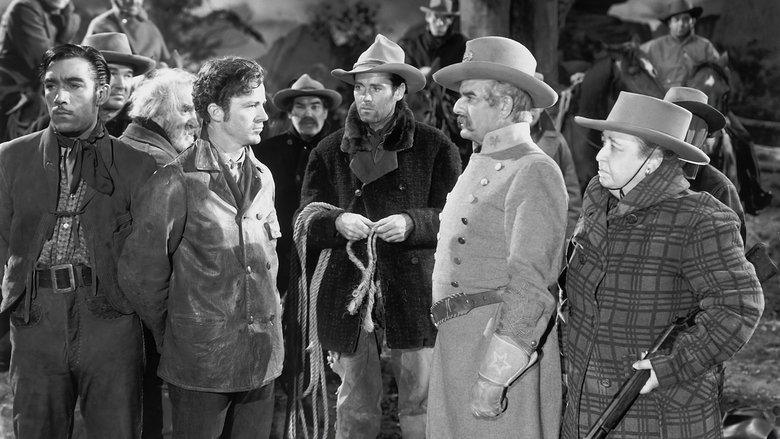
A harrowing, claustrophobic anti-Western that trades gunfights for a searing moral examination of mob justice. Its stark, noir-like visuals and tragic inevitability serve as a timeless condemnation of the darkness within the human herd.
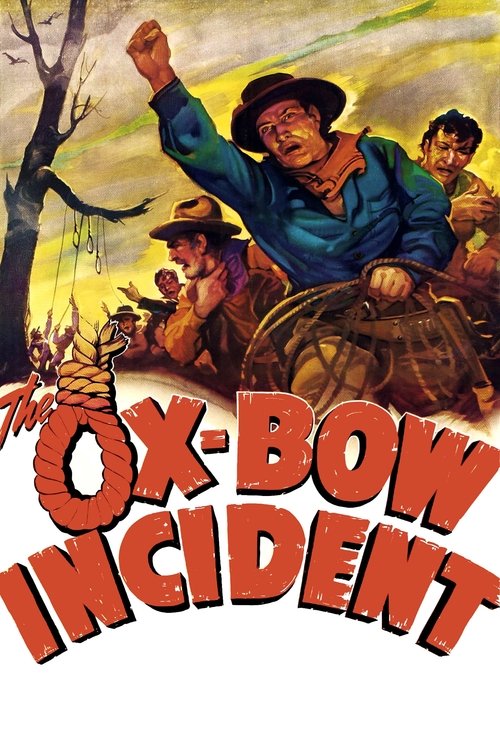
The Ox-Bow Incident
"Lynch law rules the mob!"
11 March 1943
United States of America
76 min
7.7
(419)
Director: William A. Wellman
Cast: Henry Fonda, Dana Andrews, Mary Beth Hughes, Anthony Quinn, William Eythe
Drama
Western
Mob Mentality vs. Individual Conscience
Justice vs. Law
Toxic Masculinity and Cowardice
The Bystander Effect
Budget:
$565,000
The Ox-Bow Incident — Ending Explained
⚠️ Spoiler Analysis
Alternative Interpretations
While primarily a critique of mob violence, the film also offers a religious allegory. The character of Sparks (the African-American preacher) acts as a spiritual witness, and the hanging of the three men (one innocent, one old, one foreign) on a hill evokes the Crucifixion, with Martin's letter serving as a testament of forgiveness. Another interpretation focuses on gender roles: Major Tetley's villainy is rooted in his obsession with performative masculinity, while his son Gerald represents the 'feminine' qualities of empathy and conscience, which the rough frontier society violently rejects.
Explore More About This Movie
Dive deeper into specific aspects of the movie with our detailed analysis pages