"Lynch law rules the mob!"
The Ox-Bow Incident - Symbolism & Philosophy
Symbols & Motifs
The Letter
Symbolizes humanity, truth, and the voice of the innocent. It transcends the physical violence of the lynching to deliver the film's moral verdict.
Written by the condemned Donald Martin to his wife. Gil reads it in the saloon after the lynching, silencing the guilty mob with its profound message about justice.
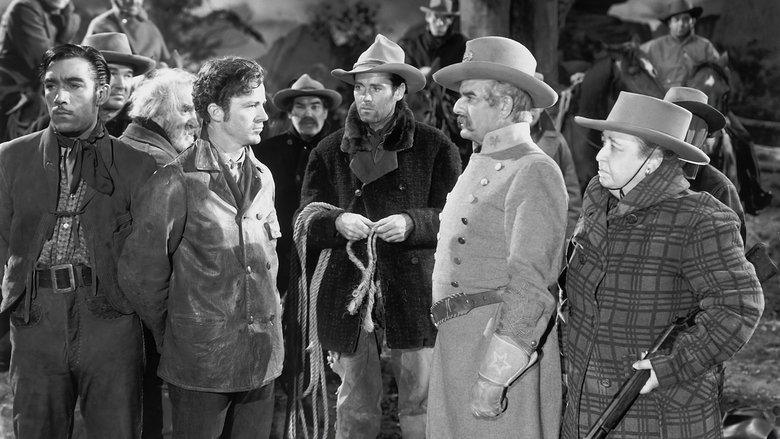
Major Tetley's Confederate Uniform
Represents authoritarianism, the 'Lost Cause,' and rigid, outdated militarism. It signifies his desire to impose his will and command others, masking his sadism as duty.
Tetley wears it to lead the lynching party, treating the murder like a military operation to hide its illegality.
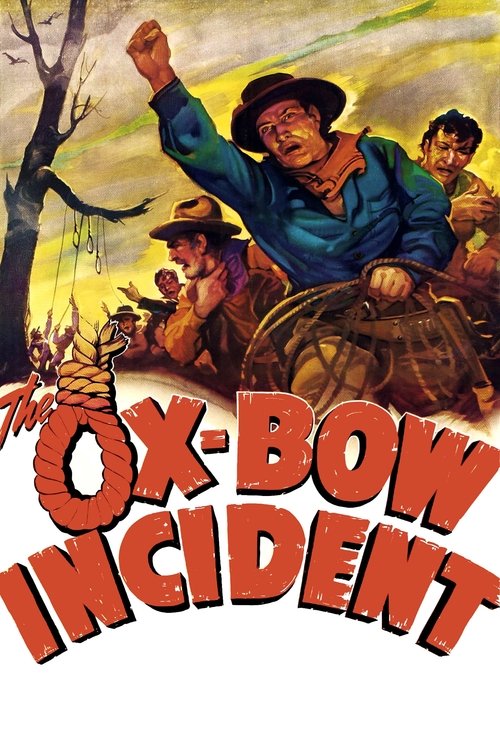
The Noose
The ultimate symbol of irreversible injustice and death.
Visually prominent throughout the second half, highlighting the grim inevitability of the mob's action.
The Painting in the Saloon
Symbolizes the absence of women/civilization and the repressed desires of the men.
Gil and others stare at the painting of a woman, emphasizing the rough, male-dominated, and loveless environment of the town.
Philosophical Questions
Is justice possible without due process?
The film argues that 'justice' executed in anger and haste is inherently flawed. It explores the idea that procedural law, however slow, is the only safeguard against human error and emotional bias.
What is the responsibility of the individual within a group?
Through Gil and Art, the film asks whether remaining silent in the face of injustice makes one as guilty as the perpetrators. It challenges the 'bystander' excuse.
Core Meaning
The Ox-Bow Incident is a brutal indictment of mob mentality and a deconstruction of the traditional Western myth. Director William A. Wellman uses the setting not for adventure, but to explore the fragility of justice and the ease with which ordinary men can be swayed to commit atrocities. Released during World War II, it serves as a powerful allegory for fascism, illustrating how fear, ignorance, and toxic leadership can silence individual conscience and destroy innocent lives.