
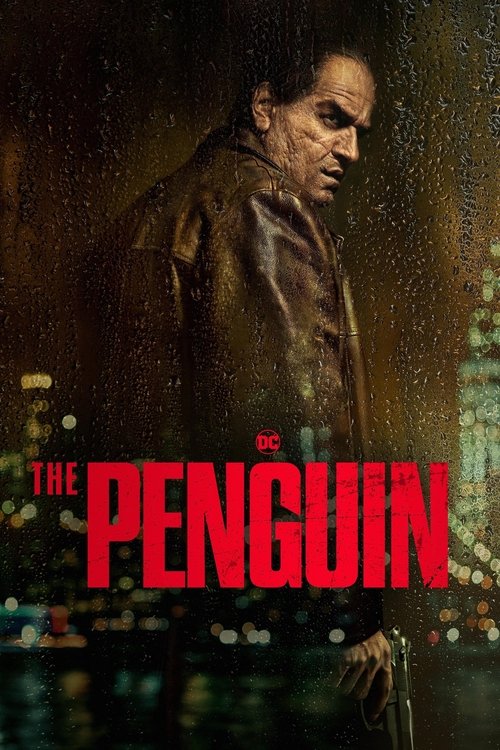
"The city will be his."
The Penguin - Symbolism & Philosophy
Symbols & Motifs
The Purple Maserati
Symbolizes Oz's loud, garish ambition and his desire to be noticed in a city that tries to hide its rot.
Used throughout the series as his primary vehicle; it stands out in the gray, rainy streets of Gotham, representing his refusal to be a "nobody."
Carmine's Signet Ring
Represents stolen authority and the transition of power from the old guard to the new.
Oz takes the ring from Alberto Falcone's corpse and later uses it to manipulate Salvatore Maroni, physically claiming the legacy he was never meant to inherit.
Slush Puppies
A symbol of the fleeting, distorted innocence and the bond between Oz and Victor.
The two share these drinks after their first successful "partnership," highlighting the "meet-cute" quality of their mentor-mentee relationship before it turns dark.
Bird in a Cage
A metaphor for Francis Cobb’s condition and Oz’s desire for control over those he loves.
At the end of the series, Francis is catatonic in a penthouse, essentially Oz's "pet," unable to reject him or his crimes ever again.
Philosophical Questions
Can love exist without the potential for exploitation?
The series explores this through Oz's relationships. He claims to love Victor and Francis, yet he uses Victor as a tool and ends up keeping his catatonic mother as a trophy of his success, suggesting that for someone like Oz, 'love' is merely a form of possession.
Does structural corruption inevitably create monsters?
The show asks if Oz and Sofia were born evil or if the corruption of the Falcone family and the systemic neglect of Crown Point left them with no choice but to embrace villainy to survive.
Core Meaning
The core of The Penguin is a subversion of the traditional American Dream, reimagined as a relentless and soul-eroding "hustle." The creators suggest that in a world built on structural inequality and historical trauma, power is not earned through merit but seized through the systematic destruction of one's own humanity. The series argues that the ultimate cost of absolute authority is the total excision of vulnerability, making the "successful" man the most isolated and monstrous version of himself.