The film’s major twist occurs when Charlie’s repressed memories resurface: he realizes that his beloved Aunt Helen, who died in a car crash on his birthday, had sexually abused him throughout his childhood. This revelation explains Charlie's deep-seated guilt (believing he caused her death by wanting her gone) and his psychological breakdowns. The 'perfect' relationship he had with her was a facade constructed by a traumatized mind. The ending shows Charlie in a psychiatric hospital finally processing this truth. The final tunnel scene is not just a happy ride, but a symbolic rebirth—Charlie is no longer the child being abused or the boy watching from the sidelines; he is a survivor finally entering his own life.

A poetic coming-of-age drama where 1990s nostalgia meets raw emotional recovery. It captures the fleeting, golden haze of youth and the visceral weight of secrets through the metaphor of a tunnel's infinite light.
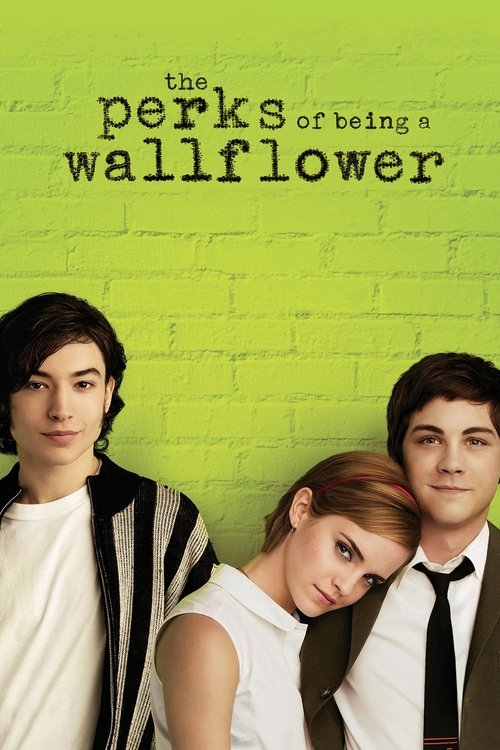
The Perks of Being a Wallflower
"We are infinite."
20 September 2012
United States of America
103 min
7.8
(10,927)
Director: Stephen Chbosky
Cast: Logan Lerman, Emma Watson, Ezra Miller, Mae Whitman, Kate Walsh
Drama
Participation vs. Observation
The Impact of Trauma and Mental Health
Self-Worth and Love
Inclusivity and the 'Misfit' Identity
Budget:
$13,000,000
Box Office:
$33,384,127
The Perks of Being a Wallflower — Ending Explained
⚠️ Spoiler Analysis
Alternative Interpretations
One common interpretation is that Sam functions as a 'Manic Pixie Dream Girl,' a character existing solely to facilitate Charlie’s growth. However, many critics argue the film subverts this by revealing her own deep insecurities and giving her a distinct arc regarding her self-worth. Another reading focuses on the 'infinite' feeling as a symptom of Charlie's dissociation; rather than a purely joyful moment, it could be seen as a temporary escape from a reality he still finds too painful to fully inhabit. Some viewers also interpret the 'unnamed friend' Charlie writes to as the audience itself, or perhaps the ghost of his friend Michael.
Explore More About This Movie
Dive deeper into specific aspects of the movie with our detailed analysis pages