The film’s complex structure reveals that David Holm does not actually die permanently. After witnessing the full extent of his cruelty—including his wife's plan to kill herself and their children to escape his return—David’s soul is returned to his body in the graveyard. He wakes up just in time to rush home and stop Anna from committing the murder-suicide. The ultimate twist is that the supernatural journey was a 'reprieve' granted by Georges and a higher power to allow David to save his family. The death of Sister Edit is the final 'price' paid; her sacrifice is what truly breaks David’s spirit and allows him to change, suggesting that a soul's redemption often requires the martyrdom of another.
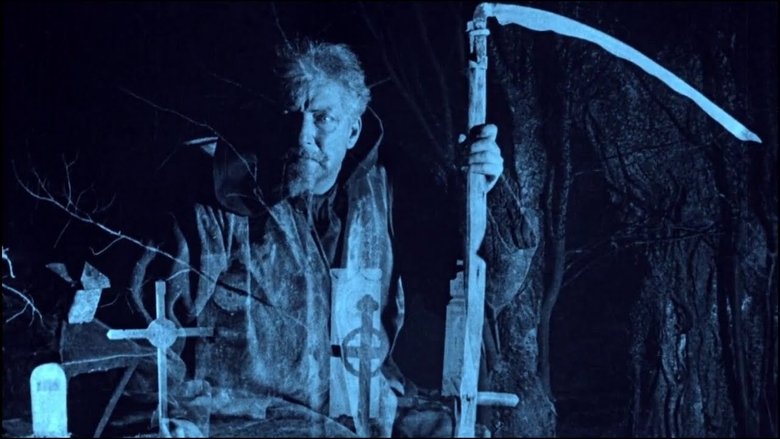
A haunting morality play where ghostly double-exposures bridge the gap between the living and the dead, following a cruel drunkard's spectral journey toward redemptive maturity on a chilling New Year's Eve.
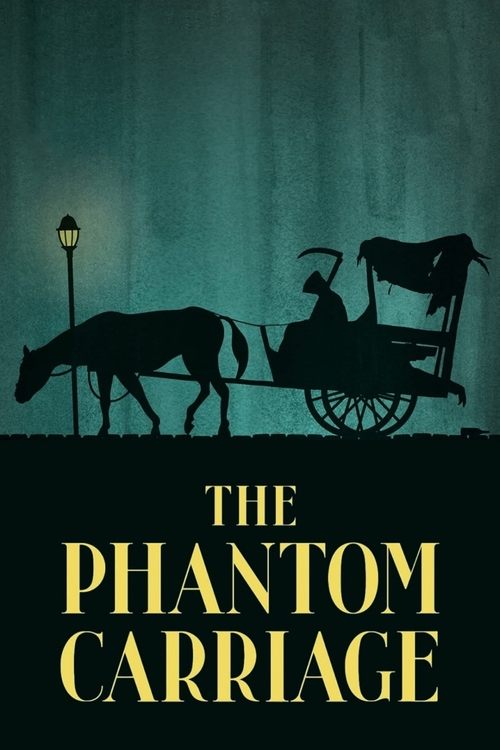
The Phantom Carriage
Körkarlen
"Do the Dead Come Back? Can Your Soul Leave Your Body...And Return Again?"
01 January 1921
Sweden
106 min
7.8
(344)
Director: Victor Sjöström
Cast: Victor Sjöström, Hilda Borgström, Tore Svennberg, Astrid Holm, Concordia Selander
Drama
Fantasy
Horror
Redemption and Atonement
Alcoholism and Social Decay
Sacrifice and Selflessness
Inevitability of Death
The Phantom Carriage — Ending Explained
⚠️ Spoiler Analysis
Alternative Interpretations
While the film is presented as a supernatural morality tale, some critics interpret the events as the delirium-induced hallucinations of a man dying from a combination of head trauma and chronic alcoholism (delirium tremens). In this reading, the Phantom Carriage is a projection of David's guilt and the folklore he was discussing just before his injury. Another perspective views the film as a political allegory for the state of post-WWI Europe, where the 'contagion' of violence and misery must be cured through radical social empathy and the work of humanitarian organizations like the Salvation Army.
Explore More About This Movie
Dive deeper into specific aspects of the movie with our detailed analysis pages