Körkarlen
"Do the Dead Come Back? Can Your Soul Leave Your Body...And Return Again?"
The Phantom Carriage - Symbolism & Philosophy
Symbols & Motifs
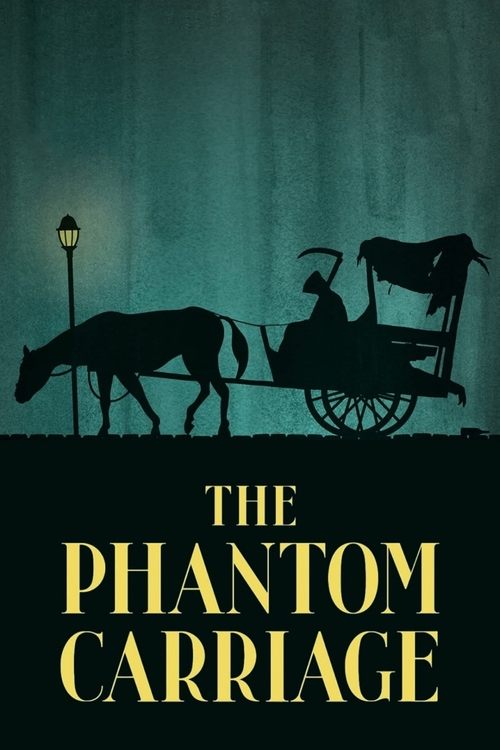
The Phantom Carriage
Represents the bridge between the material and spiritual worlds and the relentless passage of time.
It appears at the deathbeds of characters, driven by the 'last soul' of the year. It is visually transparent, emphasizing its ethereal, inescapable nature as it travels across land and sea.
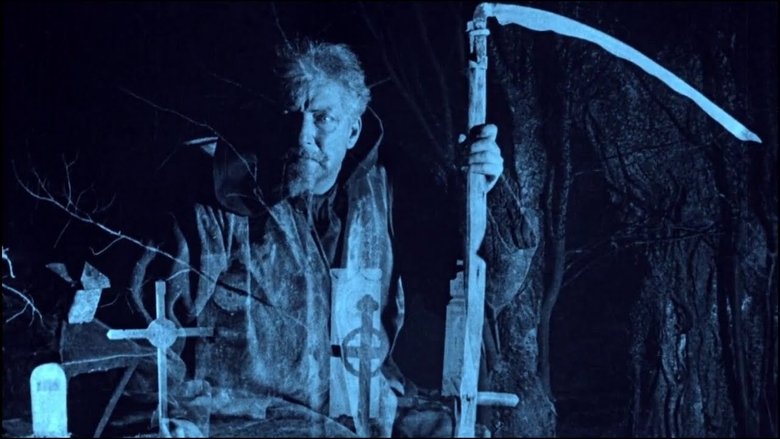
The Scythe
A symbol of the harvest and finality; it represents the 'reaping' of souls regardless of their readiness.
Held by Georges, the driver, it is used to claim those whose time has run out, appearing both menacing and deeply somber.
The Axe
A symbol of domestic violence and the physical manifestation of David's rage and spiritual brokenness.
In a pivotal scene, David uses an axe to break into a room where his wife and children are hiding, symbolizing the total destruction of the home and safety.
Tuberculosis (Consumption)
Symbolizes the physical manifestation of spiritual and social decay.
Both David and Sister Edit suffer from the disease; in David, it mirrors his inner rot, while in Edit, it represents her self-sacrificing nature as she caught it while trying to help him.
Philosophical Questions
Can true redemption exist without the witness of those we have harmed?
The film explores this through the requirement that David must literally see the pain of his wife and Sister Edit to understand his own soul. It suggests that morality is not solitary but social.
Is the soul's 'maturity' a state of development or a state of surrender?
The film suggests that reaching maturity involves surrendering the selfish ego to recognize the divine value in others, effectively 'ripening' the spirit for the afterlife.
Core Meaning
At its heart, the film is a profound meditation on redemption and social responsibility. Director Victor Sjöström wanted to convey that no soul is beyond the reach of grace, but that such grace requires an agonizingly honest confrontation with the pain one has caused others. It serves as a humanitarian plea for compassion, highlighting the interconnectedness of human lives and the idea that our moral failures 'infect' society just as physically as the tuberculosis depicted in the film. The core message is encapsulated in the prayer that the soul should reach 'maturity'—meaning a state of empathy and self-awareness—before it is harvested by death.