The Postman
A sun-drenched, bittersweet drama where the lyrical power of poetry bridges the gap between a humble postman and a world-famous poet, sparking love and awakening a soul.
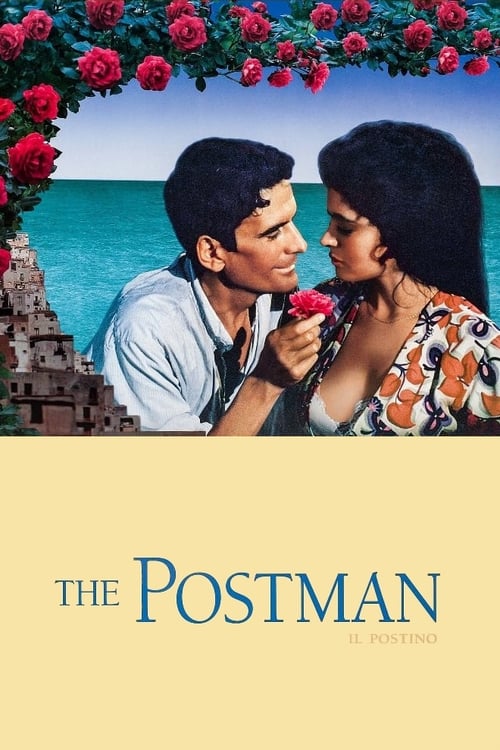
The Postman
The Postman

Il postino

"Dreams do come true."

07 April 1994 Belgium 109 min ⭐ 7.9 (1,176)
Director: Michael Radford
Cast: Massimo Troisi, Philippe Noiret, Maria Grazia Cucinotta, Renato Scarpa, Linda Moretti
Drama Comedy Romance
The Transformative Power of Poetry Unlikely Friendship and Mentorship Love and Communication Social and Political Awakening
Budget: $3,000,000
Box Office: $33,000,000

The Postman - Ending Explained

⚠️ Spoiler Analysis

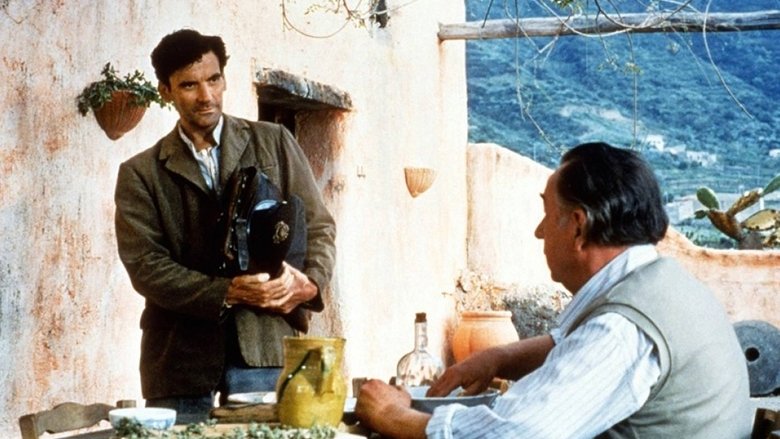
The film's plot takes a deeply poignant and tragic turn in its final act. After Mario and Beatrice marry, with Neruda as a witness, the poet's exile ends and he returns to Chile. Years pass, and Mario receives no word from his friend, a silence that deeply saddens him. During this time, Mario becomes more politically active, siding with the local communist party against a corrupt Christian Democrat politician. He names his son Pablito, in honor of his mentor.

Mario's transformation culminates in his decision to recite a poem he wrote at a large communist demonstration in Naples. The demonstration, however, is violently broken up by the police, and Mario is killed in the chaos before he has a chance to read his work. His death is quiet and off-screen, a tragic end to his journey of finding his voice. Five years later, Neruda returns to the island. He finds Beatrice and his namesake, Pablito, at the inn. It is from Beatrice that he learns of Mario's fate. She gives him the tape recording Mario had made for him years earlier—a 'poem' composed of the sounds of the island: the waves, the nets, the wind, the church bells, and the heartbeat of his then-unborn son. The film ends with a heartbroken Neruda walking along the beach where he and Mario once talked, listening to the sounds of his friend's world, intercut with visuals of the demonstration where Mario died. The ending reveals that Mario's greatest poem was not one of words, but of love for his home, a final, unheard message to his mentor.

Alternative Interpretations

While the film is largely seen as a straightforward, heartwarming tale, some alternative readings exist. One interpretation focuses on the political subtext, viewing Mario's story as a metaphor for the political awakening of the working class. His journey from personal concerns (love) to social action (participating in a communist rally) can be seen as an allegory for the common person finding their political voice, inspired by intellectual leadership (Neruda). His tragic death then becomes a martyrdom for the cause, highlighting the dangers faced by those who challenge the status quo.

Another reading examines the relationship between Mario and Neruda with a more critical eye. It could be argued that Neruda, the famous intellectual, ultimately abandons his simple friend, failing to stay in touch for years after leaving the island. When he finally returns, it is too late. This interpretation adds a layer of melancholy and critique about class and the sometimes-unintentional neglect that can exist in friendships with a significant power imbalance. Mario's final 'poem' of recorded sounds is a gift Neruda only receives after Mario's death, suggesting a tragic failure of recognition and connection on Neruda's part during Mario's lifetime.