The Twist: The film does not end with the tragic death of the balloon. After the bullies pop the red balloon with a stone and stomp on it, the film shifts into magical realism.
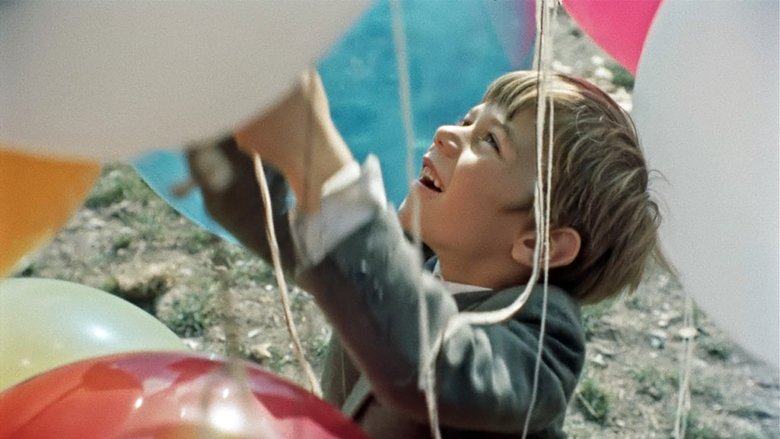
The Ending: In a reaction to the 'murder', all the balloons in Paris—from parks, hands of children, and street vendors—magically escape their tethers. They fly across the city to the spot where Pascal is mourning. They congregate around him, allowing him to grab their strings. The collective buoyancy lifts Pascal off the ground, and the film ends with him floating high above the grey city into the blue sky.
Meaning: This twist transforms a tragedy into a apotheosis, symbolizing that while individual dreams may be crushed, the collective spirit of hope and imagination cannot be defeated.
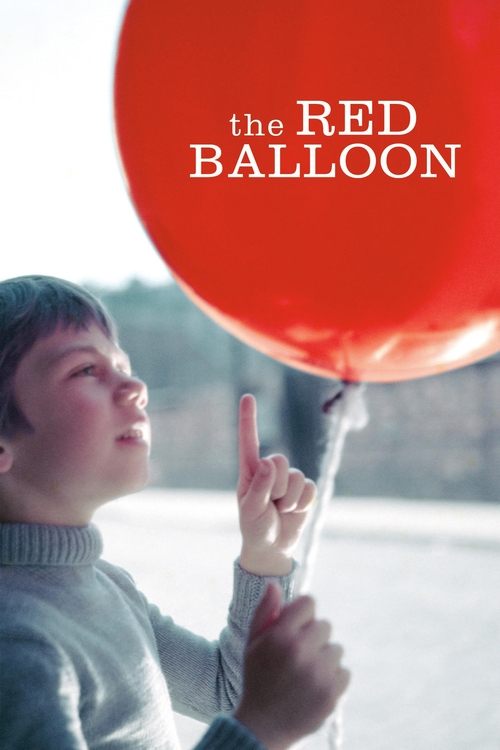
Le Ballon rouge
"Something to uplift your spirit."
Director: Albert Lamorisse
Cast: Pascal Lamorisse, Georges Sellier, Vladimir Popov, Paul Perey, Renée Marion
The Red Balloon — Ending Explained
⚠️ Spoiler Analysis
Alternative Interpretations
The Religious Allegory: Many critics view the film as a retelling of the Christ story. The balloon (divinity) comes down to earth, is loved by a faithful follower (Pascal), is persecuted by a mob (the bullies), is 'killed' (popped/stoned), and then is 'resurrected' in a glorious ascension, taking the boy to heaven/safety.
The Loss of Childhood: A psychological reading suggests the balloon represents the transitional object of childhood (like a security blanket). Its destruction forces the boy to detach from his infantile fantasy, but the ending (flying away) represents a retreat into total fantasy—a refusal to grow up, or perhaps a psychotic break from a traumatic reality.
Truffaut's Critique: François Truffaut argued the film was 'false' because it imposed human psychology onto an object, betraying the 'reality' of the balloon. He saw it as manipulative sentimentality rather than true poetry.
Explore More About This Movie
Dive deeper into specific aspects of the movie with our detailed analysis pages