"Dance she did, and dance she must - between her two loves"
The Red Shoes - Ending Explained
⚠️ Spoiler Analysis
The central tragic turn in "The Red Shoes" is the suicide of its heroine, Victoria Page. After leaving the Ballet Lermontov to marry composer Julian Craster, Vicky finds her dancing career has stalled while Julian's is flourishing. Lermontov, still obsessed with her talent, finds her on holiday and persuades her to return to dance "The Red Shoes" one more time, arguing that she is sacrificing her true self in her marriage.
On the night of the performance, Julian, having abandoned the premiere of his own opera in London, rushes to her dressing room and begs her to leave with him. Lermontov arrives, and the two men force a final, impossible choice upon her: a life of love with Julian, or a life of art with him. Utterly broken by the conflict, Vicky cries out for them to leave her alone. As Julian storms out, a triumphant Lermontov tells her she will now dance as never before. However, the line between Vicky and her onstage character has completely dissolved. Wearing the titular red shoes, she seems to become possessed by them. Instead of heading to the stage, she runs from the theater and leaps from a balcony into the path of an oncoming train.
Her dying words to a devastated Julian are, "Take off the red shoes," a final plea for release from the artistic obsession that has killed her. Lermontov, shaken, goes before the audience and announces, "Miss Page is unable to dance tonight—nor indeed any other night." The company then performs the ballet with a spotlight moving across the empty space where Vicky would have been, a haunting tribute to the star who was completely consumed by her art. The ending reveals the film's core meaning: for some, the absolute dedication required for great art is a fatal, all-consuming fire.
Alternative Interpretations
While the central theme of 'art versus life' is widely accepted, the film allows for several alternative interpretations:
- A Feminist Reading: Some critics view the film as a powerful, albeit tragic, feminist text. Vicky is a talented woman torn between two controlling men, Lermontov and Julian. Both demand she sacrifice a part of herself for their vision of her life. Her suicide can be interpreted not as a choice for one or the other, but as a desperate escape from an impossible patriarchal dilemma where she is denied agency over her own life and career. Her cry, "Why don't you both leave me alone?" supports this reading.
- A Queer Subtext: Lermontov's character, inspired by the gay impresario Diaghilev, can be interpreted through a queer lens. His obsession with Vicky is not romantic or sexual but aesthetic and possessive. He is incapable of participating in the 'normal' life of love and marriage that Julian offers Vicky. His world is the hermetic, all-male 'family' of his company. His tragic flaw is his inability to love Vicky in a conventional way, leading him to try and possess her art completely, viewing her heterosexual romance as a profound betrayal of their artistic bond.
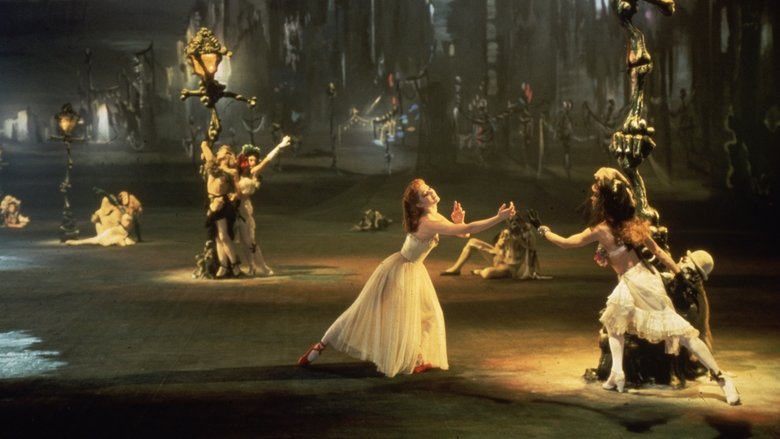
- A Supernatural/Psychological Horror Reading: The film can be read with a supernatural element, where the red shoes are genuinely cursed and possess Vicky, driving her to her death. Alternatively, it can be seen as a psychological horror story. The 'possession' is internal—a metaphor for a complete mental breakdown. The surreal ballet sequence is a visualization of her psyche fracturing under unbearable pressure. Her final leap is not a conscious choice, but the act of a mind that can no longer distinguish between the tragic role she plays on stage and her own reality.