Offret
"The final film of Andrei Tarkovsky"
The Sacrifice - Symbolism & Philosophy
Symbols & Motifs
The Dead Tree
Symbolizes faith, hope, and the power of ritual. Based on the legend of the monk who watered a dead tree until it blossomed, it represents the belief that persistent, irrational spiritual effort will eventually yield life.
Appears in the opening and closing scenes. Alexander plants it with his son, and in the final shot, the son waters it alone, suggesting the continuity of faith and the potential for a new beginning.
The House
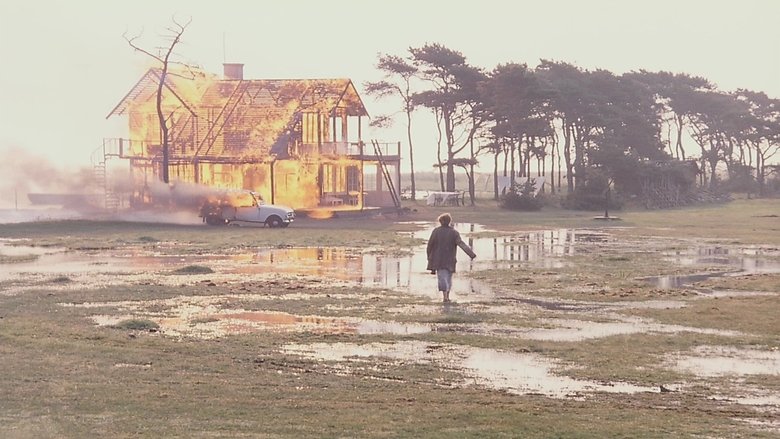
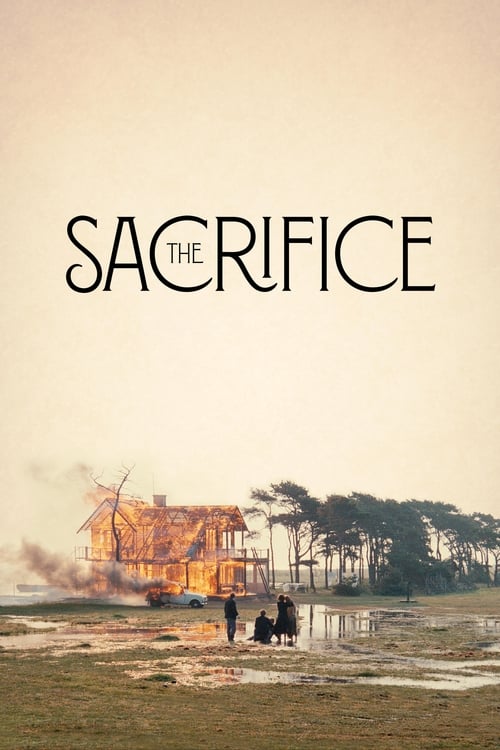
Represents the material world, Alexander's ego, and his attachment to earthly life. It is a vessel of memories and comfort that must be destroyed to fulfill the covenant with God.
The house is the central setting of the film, meticulously designed only to be burned to the ground in a continuous six-minute take at the climax.
The Pitcher of Milk
Symbolizes the fragility of life, purity, and the disruption of the natural order by the impending war.
During the terrifying sequence where jets fly overhead, the vibrations cause a pitcher of milk to fall and shatter, spilling its contents—a visceral image of destruction intruding on domestic peace.
Leonardo da Vinci's 'Adoration of the Magi'
Represents the offering of gifts to the divine and the intersection of the sacred and the profane. It foreshadows the theme of giving one's all for a higher purpose.
The painting is shown during the opening credits and appears in the house. The camera lingers on the tree in the painting, linking it to the dead tree Alexander plants.
Philosophical Questions
Can a single individual's spiritual act save the collective world?
The film posits that the spiritual interconnection of humanity is so strong that one person's pure faith and sacrifice can avert a global physical catastrophe. It challenges the materialist view that only political or physical actions have consequences.
Is faith a form of madness?
Tarkovsky blurs the line between the holy fool and the lunatic. Alexander's actions are objectively insane (burning his house, silence), yet the film frames them as the only sane response to an insane world (nuclear war).
What is the relationship between the gift and the sacrifice?
Through Otto's dialogue and Alexander's actions, the film explores the idea that a true gift is not something surplus, but something that costs the giver everything, stripping them of their attachments.
Core Meaning
The Sacrifice is Andrei Tarkovsky's final cinematic testament, conceived as a "poetic parable" about the necessity of individual spiritual action in a materialistic world. The film argues that modern humanity has lost its connection to the spiritual, leading it to the precipice of self-destruction.
At its heart, the film suggests that a single person's act of total, selfless sacrifice and faith—however irrational or "mad" it may appear to society—has the power to alter the course of history and save the world. It is a plea for a return to spiritual values and a rejection of the material attachments that bind the human soul.