The series' biggest twist is the nature of the curse on Meliodas and Elizabeth. Three thousand years ago, for falling in love and betraying their respective clans, the Demon King cursed Meliodas with 'Eternal Life'—whenever he dies, he is revived but loses some of his emotions, eventually regressing into a heartless demon. The Supreme Deity cursed Elizabeth with 'Perpetual Reincarnation'—she is reborn as a human with no memories, but if she ever remembers her past life, she is destined to die within three days in front of Meliodas. This cycle has repeated 106 times. The series finale reveals that Merlin was the one who orchestrated many events to reactivate the cycle of 'Chaos' because she sought a power beyond both the Demon King and Supreme Deity. The final battle involves Meliodas destroying his own demon powers to finally sever the ties to the gods, allowing Elizabeth to live a full human life and Meliodas to age alongside her.
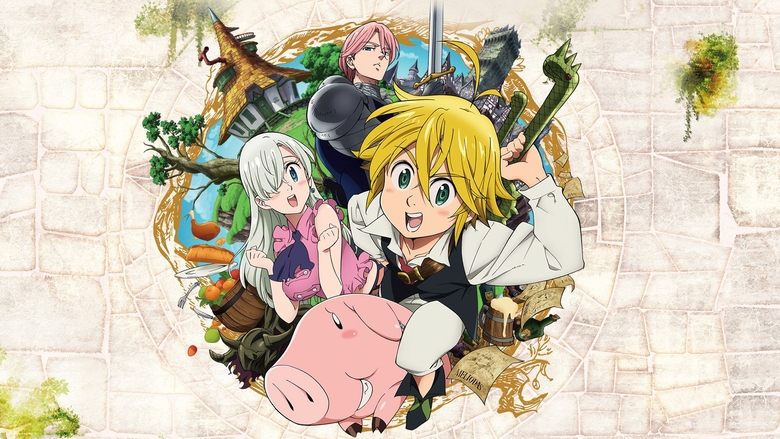
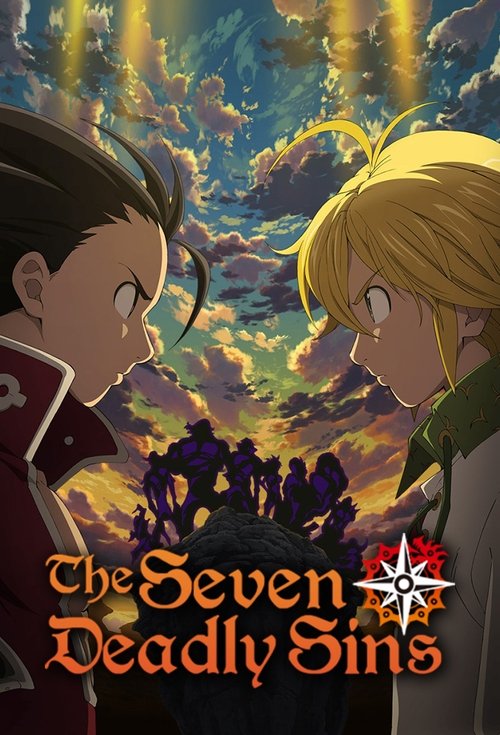
七つの大罪
Cast: Yuki Kaji, Sora Amamiya, Tatsuhisa Suzuki, Misaki Kuno, Aoi Yuuki
The Seven Deadly Sins — Ending Explained
⚠️ Spoiler Analysis
Alternative Interpretations
Some critics suggest the series can be read as a critique of religious dogma, where the 'Goddesses' and 'Holy Knights' represent the corruptive nature of institutionalized virtue, while the 'Sins' represent the messy but honest reality of human experience. Another interpretation viewed through the lens of psychological trauma sees the curses of Meliodas and Elizabeth as metaphors for the inability to move on from past loss, with the final breaking of the curse symbolizing the characters finally achieving emotional closure and 'moving forward' in time.
Explore More About This Movie
Dive deeper into specific aspects of the movie with our detailed analysis pages