
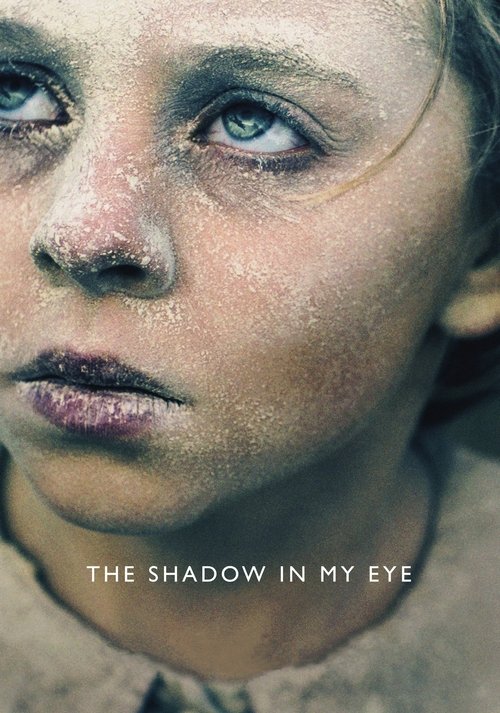
Skyggen i mit øje
The Shadow in My Eye - Symbolism & Philosophy
Symbols & Motifs
The Open Sky
The open sky symbolizes a source of terror and imminent death for Henry. After witnessing the initial air attack, he becomes pathologically afraid of the sky, a space that is usually associated with freedom and openness. This represents how war has inverted the natural order, turning a symbol of hope into one of dread.
Henry's fear of the open sky is a recurring motif. His cousins, Rigmor and Eva, try to help him overcome this fear by playing games and using a rope to guide him under the open sky. This symbolizes their attempt to reclaim their childhood innocence in a world where danger can rain down from above at any moment.
The Unfinished Porridge
Eva's unfinished bowl of porridge symbolizes the mundane arguments of family life that are rendered tragically insignificant by the war. It also becomes a symbol of her survival and a poignant reminder of the preciousness of ordinary moments.
On the morning of the bombing, Eva argues with her father about not finishing her porridge. After the school is hit and her parents fear she is dead, her mother finds her at home, covered in dust, eating the porridge. This image is a powerful and heartbreaking representation of a child's simple logic and the enduring need for normalcy amidst chaos.
The Burning School
The burning school represents the destruction of innocence, safety, and the future. A place of learning and sanctuary is transformed into a fiery hell, a stark visual metaphor for the impact of war on children.
The climactic sequence of the film shows the school being bombed and consumed by flames. The images of nuns and children trapped in the rubble and fire are a visceral depiction of the central tragedy.
Philosophical Questions
How can faith and belief in a benevolent higher power be maintained in the face of immense suffering and injustice?
The film explores this question primarily through the character of Sister Teresa. Her journey is a profound struggle with her faith as she witnesses the horrors of war. She actively tests God, engaging in a forbidden relationship as if to provoke a divine response. The film does not offer an easy answer, but suggests that true faith may not be found in miracles or divine intervention, but in acts of human compassion and self-sacrifice, as seen in Teresa's final moments.
What is the true cost of war, and who ultimately pays the price?
"The Shadow in My Eye" argues that the true cost of war is not measured in strategic victories or defeats, but in the lives of innocent civilians. By focusing on the children of the French school, the film forces the audience to confront the devastating human consequences of military action. The bombing is a "tragic mistake," a piece of collateral damage that underscores the film's message that the price of war is always paid by the most vulnerable.
Can morality be absolute in a time of war?
The film challenges the idea of a clear moral divide in wartime. It presents the British pilots as dedicated soldiers who are horrified by their mistake, and the Danish collaborator Frederik as a conflicted man capable of love and remorse. This nuanced portrayal suggests that war forces individuals into impossible moral positions, and that even those on the "right" side can be responsible for terrible tragedies. It questions the very notion of a 'just war' when the consequences are so devastating for the innocent.
Core Meaning
The core meaning of "The Shadow in My Eye" revolves around the devastating and indiscriminate nature of war, particularly its impact on the innocent. Director Ole Bornedal stated his intention was to tell the story of the war "through the eyes of children," focusing on "innocence versus machines, of the child who falls victim to the horrors of coincidence." The film poignantly illustrates that in conflict, there are no clear winners, only varying degrees of loss and suffering. It challenges the black-and-white narrative of good versus evil often present in war films, by humanizing characters on different sides of the conflict, including a Danish collaborator. The film serves as a memorial to a forgotten tragedy and a powerful anti-war statement, emphasizing that the greatest casualties are often civilians, and their stories are the ones that must be remembered to comprehend the true cost of war.