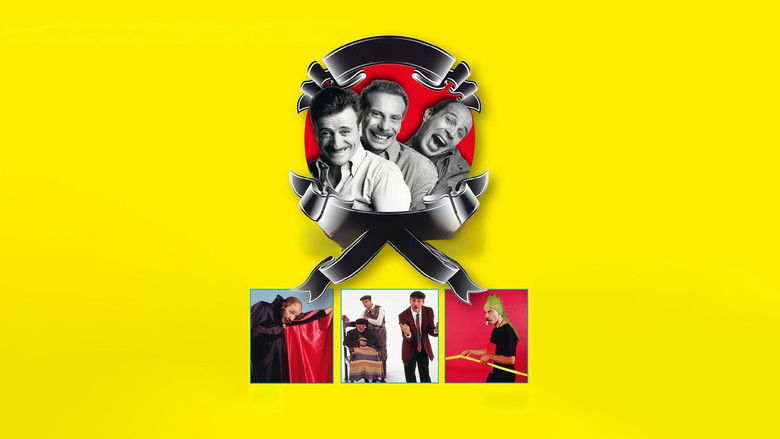
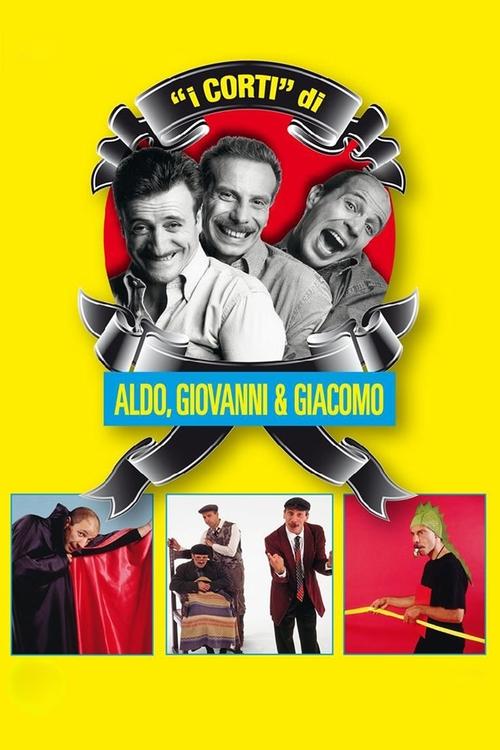
Being a collection of sketches, "I Corti" doesn't have a single plot to spoil. The analysis focuses on the progression and punchlines of its most famous segments:
- La gita in montagna (The Mountain Trip): The sketch's climax isn't that Aldo gets an echo, but how he fails. After his friends get perfect echoes, every one of Aldo's increasingly desperate shouts is perfectly timed to be interrupted by the loud noise of a passing train in the valley below. His final, enraged, full-bodied scream is met with the same fate, leading to his complete comedic breakdown. The punchline is the universe's absurd conspiracy against him.
- Astronauti (Astronauts): The entire sketch builds on the contrast between the high-tech environment of a spaceship and the low-tech, mundane problems. The 'twist' is that their complex spacewalk is repeatedly foiled by simple issues: Giovanni can't find the key, they find it under a doormat, and the complex door-opening procedure is a series of ridiculous, noisy, and physical actions. The humor comes from the anticlimax and the humanization of a superhuman profession.
- Il Conte Dracula (Count Dracula): The sketch's progression is Dracula's (Aldo) repeated failure to intimidate and bite the Sardinian shepherd, Nico (Giovanni). Dracula attempts to be menacing, but Nico is completely unfazed, bombarding him with practical questions, offering him food, mistaking him for a relative, and generally ruining the gothic atmosphere. The spoiler is that Dracula never succeeds; he is utterly defeated by Nico's grounded, provincial reality and eventually gives up in pure frustration.
- Spettatori in platea (Spectators in the Stalls): The running gag culminates in the trio's characters in the audience becoming more entertaining than the (unseen) show on stage. Their arguments, misunderstandings, and physical comedy in their seats (like fighting for armrest space) escalate throughout the performance, effectively creating a second, parallel show for the real-life audience. The 'ending' is the realization that they are the true spectacle.