"The happiest sound in all the world!"
The Sound of Music - Symbolism & Philosophy
Symbols & Motifs
The Alps (The Hills)
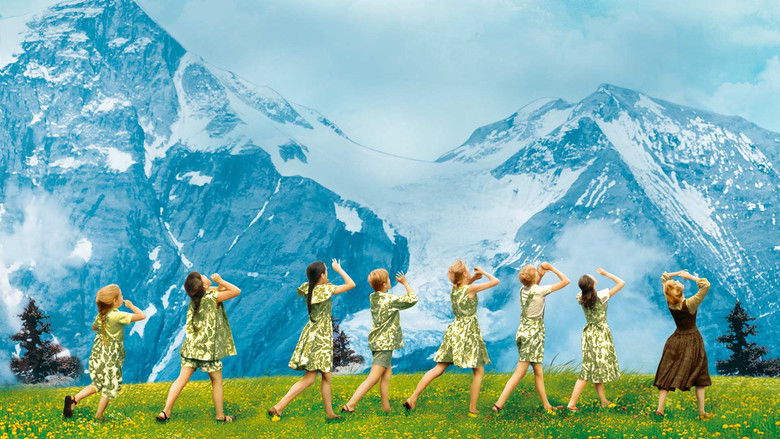
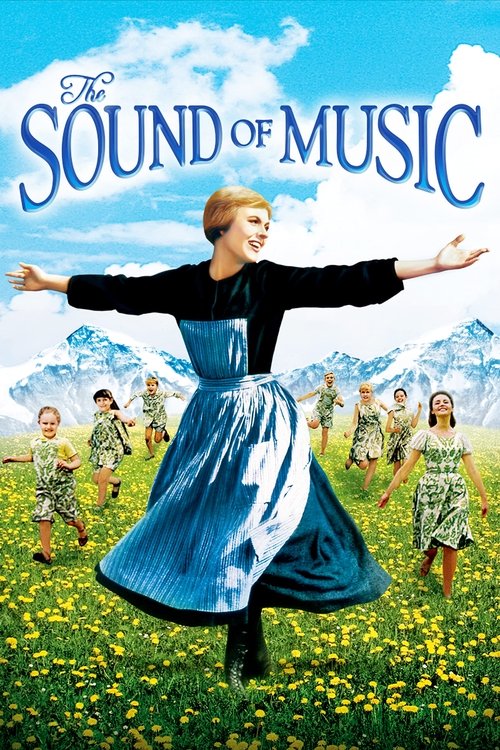
Symbolize spiritual freedom, sanctuary, and connection to God. They are where Maria finds her true self and where the family eventually finds physical safety.
Featured prominently in the opening and closing shots. Maria goes to the hills to sing when she is overwhelmed; the family escapes over them to freedom at the end.
The Whistle
Represents military discipline, emotional distance, and the suppression of individuality. It reduces the children to soldiers rather than people.
Used by the Captain to summon his children and staff. Its abandonment—when the Captain finally whistles for the children but stops himself to use their names—marks his emotional transformation.
Edelweiss
A symbol of Austrian patriotism, resilience, and quiet defiance against the Nazi occupation. It represents a love for the homeland that persists through harsh conditions.
Sung by the Captain. First as a tender moment with his children, and later as a powerful act of political protest at the Salzburg Festival, inviting the audience to join in against the Nazi presence.
The Gazebo
A transitional space representing romance and the threshold of adulthood. It is a shelter for secret loves but also a place of exclusion.
Used for the innocent Sixteen Going on Seventeen duet and the mature declaration of love between Maria and the Captain in Something Good.
Philosophical Questions
Does moral duty require resistance or survival?
The film contrasts the Captain's uncompromising idealism (refusing to serve) with Max's pragmatism (collaborating to survive). It asks whether it is better to lose everything for one's principles or to compromise to protect one's life. The ending suggests that true survival is impossible without spiritual integrity.
What is the nature of a true vocation?
Maria struggles with the idea that serving God must look a specific way (being a nun). The film argues for a broader theological view: that following one's heart and loving another person is as valid a spiritual calling as monastic life.
Core Meaning
At its heart, The Sound of Music is a testament to the transformative power of love and music to heal trauma and defy oppression. Director Robert Wise contrasts the rigid, lifeless order of authoritarianism (both in the Captain's initial parenting and the Nazi regime) with the organic, liberating vitality of nature and song. The film suggests that true moral courage comes not from blind obedience to rules or state, but from listening to one's conscience and finding harmony with those you love.